
Your shopping cart is empty!
Welcome visitor you can login or create an account.
VITAMIN A with VITAMIN D 100 capsules
Product Code: VITAMIN A with VITAMIN D 100 capsules
Availability: In Stock

Product viewed: 1172


VITAMIN A with VITAMIN D 100 capsules
Vitamin A & D: Strengthens the immune system and supports bone health
Maintains healthy teeth
It helps formation of skeletal structure and soft tissue
It helps to maintain normal blood sugar levels
Reduces the risk of thinning the joints and their fragility
What is Vitamin A?
Vitamin A is found in foods that come from animals. It is absorbed in the form of retinol, one of the most usable (active) forms of vitamin A. Sources are liver, whole milk, and some fortified food products. Retinol can be converted to retinal and retinoic acid (other active forms of vitamin A) in the body. Vitamin A occurs naturally in animal products like liver, kidney, butter, egg yolks, whole milk and fortified skim milk.
Vitamin A, which is found in colorful fruits and vegetables is called provitamin A carotenoid. They may be made of retinol in the body. Common provitamin A carotenoids found in plant foods - beta-carotene, alpha-carotene and beta-cryptoxanthin. Of these, the most efficient passes into retinol beta-carotene. Alpha-carotene and beta-cryptoxanthin are also converted to vitamin A, but half as effective beta - carotene is an antioxidant. Antioxidants protect cells from damage caused by unstable substances called free radicals. Free radicals are believed to contribute to certain chronic diseases and play a role in the degenerative processes seen in aging. Sources of beta - carotene are carrots, pumpkin, sweet potatoes, winter squashes, cantaloupe, pink grapefruit, apricots, broccoli, spinach, and most dark green leafy vegetables. The more intense color a fruit or vegetable, the more high content of beta - carotene. These vegetable sources of beta - carotene are free of fat and cholesterol.
What function has Vitamin A?
Vitamin A helps maintain healthy teeth, skeletal and soft tissue, mucous membranes, immune function, blood sugar balance and skin. It is also known as retinol, for producing pigment in the retina of the eye. Vitamin A promotes good vision, especially in low light. It may be a necessary element of reproductive function and breastfeeding.
What is vitamin D?
Vitamin D, calciferol, is a fat - soluble vitamin. It is known as "solar" vitamin because it is formed in the body by the action of ultraviolet rays on the skin. Vitamin D is converted in the kidneys of the hormone calcitriol, which actually is the most active form of vitamin D. The effect of this hormone are targeted to the intestine and the bone.
What makes Vitamin D?
The primary biological function of vitamin D is to maintain normal levels of calcium and phosphorus. Vitamin D helps calcium absorption, thus helping to form and maintain strong bones. It stimulates bone mineralization in conjunction with a number of other vitamins, minerals and hormones. Without vitamin D, bones can become thin, brittle, soft, or misshapen. Vitamin D prevents rickets in children and osteomalacia in adults, which are skeletal diseases that result in defects that weaken the bones.
Warnings:
If you are pregnant or breast-feeding consult your doctor before using Vitamins A & D.
And dvata vitamina A and D are fat-soluble nutrients and can accumulate in toxic levels in mastnata tissue, so you should avoid high intake of nutrients containing these vitamins.
Doses greater than 10 000 IU vitamin A cause birth defects, especially during the first seven weeks of pregnancy. Women who could potentially become pregnant should limit their daily intake of vitamin A for less than 10 000 IU daily and consult a doctor to determine the appropriate dose.
Studies have shown that increased intake of vitamin A and D can lead to hypercalcemia, which causes calcium deposits in soft tissues. Signs of the disease include headache, weakness, nausea, vomiting, kidney problems and constipation. Consult a health care practitioner if you have any of these symptoms during the intake of vitamin D.
Ingredients:
• Vitamin A (from cod liver oil) 10,000 IU
• Vitamin D (from cod liver oil) 400 IU
Other Ingredients: Soybean oil, gelatin, glycerin, water.
Contains fish (cod) and soy ingredients. May contain traces of milk, eggs, shellfish, nuts, and wheat ingredients. It contains no artificial colors, flavors or preservatives.
This product is not derived from endangered species.
Dosage and method of administration:
Take one (1) softgel, 1-2 times a day with meals.
Warning: If you are allergic to seafood, do not use this product. If you are pregnant or nursing, consult a medical professional before using this product.
KEEP AWAY FROM CHILDREN. Store in a cool, dry place. Do not use this product if the safety seal on the bottle is broken.
Write a review
Your Name:Your Review: Note: HTML is not translated!
Rating: Bad Good
Enter the code in the box below:
Related Products
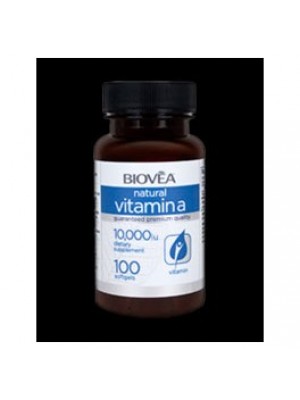
Vitamin A 10000 IU. 100 capsulesVitamin A Strengthens the i..
25.00€
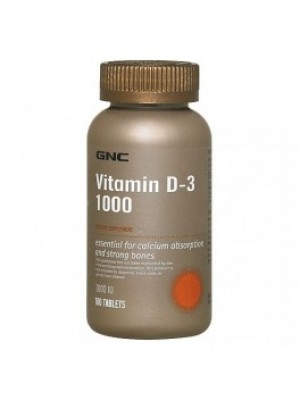
VITAMIN D 1000 mg. 180 capsulesBENEFITS OF VITAMIN D:This vi..
18.00€
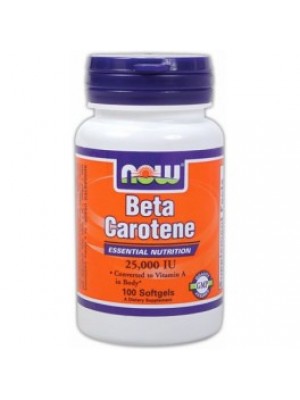
Beta Carotene 25,000 IU 100 capsulesNatural Beta Carotene is..
27.00€
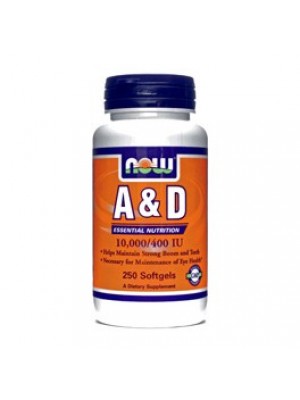
VITAMIN A + D 10000/400 IU. 100 softgelsDescription:Nourishe..
19.00€