
Your shopping cart is empty!
Welcome visitor you can login or create an account.
Vitamin A 10000 IU. 100 capsules
Product Code: Vitamin A 10000 IU. 100 capsules
Availability: In Stock
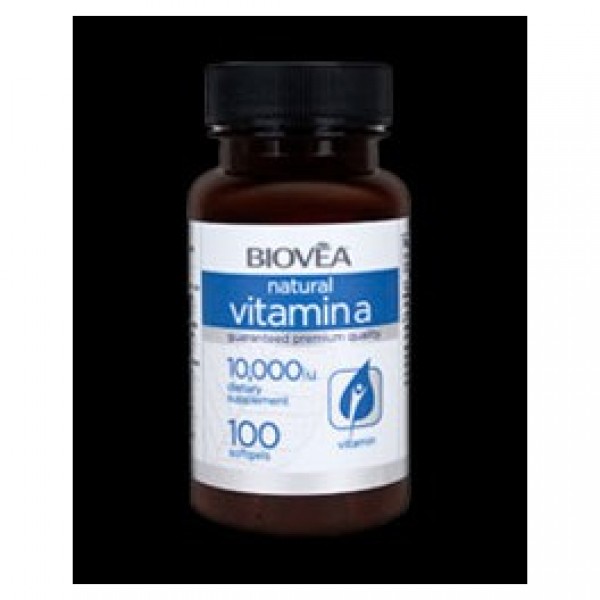
Product viewed: 987


Vitamin A 10000 IU. 100 capsules
Vitamin A Strengthens the immune system and supports bone health
Maintains healthy teeth
It helps formation of skeletal structure and soft tissue
It helps to maintain normal blood sugar levels
What is Vitamin A?
Vitamin A is found in foods that come from animals. It is absorbed in the form of retinol, one of the most usable (active) forms of vitamin A. Sources are liver, whole milk, and some fortified food products. Retinol can be converted to retinal and retinoic acid (other active forms of vitamin A) in the body. Vitamin A occurs naturally in animal products like liver, kidney, butter, egg yolks, whole milk and fortified skim milk.
Vitamin A, which is found in colorful fruits and vegetables is called provitamin A carotenoid. They may be made of retinol in the body. Common provitamin A carotenoids found in plant foods - beta-carotene, alpha-carotene and beta-cryptoxanthin. Of these, the most efficient passes into retinol beta-carotene. Alpha-carotene and beta-cryptoxanthin are also converted to vitamin A, but half as effective beta - carotene is an antioxidant. Antioxidants protect cells from damage caused by unstable substances called free radicals. Free radicals are believed to contribute to certain chronic diseases and play a role in the degenerative processes seen in aging. Sources of beta - carotene are carrots, pumpkin, sweet potatoes, winter squashes, cantaloupe, pink grapefruit, apricots, broccoli, spinach, and most dark green leafy vegetables. The more intense color a fruit or vegetable, the more high content of beta - carotene. These vegetable sources of beta - carotene are free of fat and cholesterol.
What function has Vitamin A?
Vitamin A helps maintain healthy teeth, skeletal and soft tissue, mucous membranes, immune function, blood sugar balance and skin. It is also known as retinol, for producing pigment in the retina of the eye. Vitamin A promotes good vision, especially in low light. It may be a necessary element of reproductive function and breastfeeding.
Warnings:
If you are pregnant or breast-feeding consult your doctor before using Vitamins A & D.
Vitamina A is a fat-soluble nutrient and can accumulate in toxic levels in mastnata tissue, so you should avoid high intake of nutrients containing these vitamins.
Doses greater than 10 000 IU vitamin A cause birth defects, especially during the first seven weeks of pregnancy. Women who could potentially become pregnant should limit their daily intake of vitamin A for less than 10 000 IU daily and consult a doctor to determine the appropriate dose.
Vitamin A deficiency reduces the body's ability to fight infections. In countries where such deficiency is common and immunization programs are limited, millions of children die each year from complications of infectious diseases such as measles. in humans with a deficiency of vitamin A, cells lining the lungs lose their ability to remove disease-causing microorganisms. This can contribute to pneumonia associated with a deficiency of vitamin A.
There is an increased interest of the earliest forms of shortage described as lower levels of stock that do not cause obvious symptoms. The shortage of mild vitamin can increase risk of developing childhood respiratory infections and diarrhea, decreased growth rate, slow bone development and reduces the likelihood of survival from serious illness.
Ingredients:
• Vitamin A (from cod liver oil) 10,000 IU
Other Ingredients: Soybean oil, gelatin, glycerin, water.
Contains fish (Gadus, shark) and soy ingredients. Does not contain milk, eggs, shellfish, tree nut, wheat, artificial colors, flavors or preservatives.
Dosage and method of administration:
Take one (1) softgel, 1-2 times a day with meals.
Warning: If you are allergic to seafood, do not use this product. If you are pregnant or nursing, consult a medical professional before using this product.
KEEP AWAY FROM CHILDREN. Store in a cool, dry place. Do not use this product if the safety seal on the bottle is broken.
Write a review
Your Name:Your Review: Note: HTML is not translated!
Rating: Bad Good
Enter the code in the box below:
Related Products
VITAMIN A with VITAMIN D 100 capsulesVitamin A & D: Stre..
29.00€
Advanced Carotenoid Complex 30 capsulesFood supplementPackag..
29.00€
Beta Carotene 25,000 IU 100 capsulesNatural Beta Carotene is..
27.00€
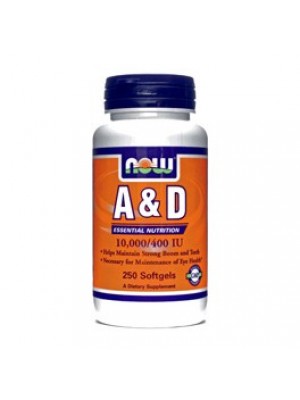
VITAMIN A + D 10000/400 IU. 100 softgelsDescription:Nourishe..
19.00€