Your shopping cart is empty!
Welcome visitor you can login or create an account.
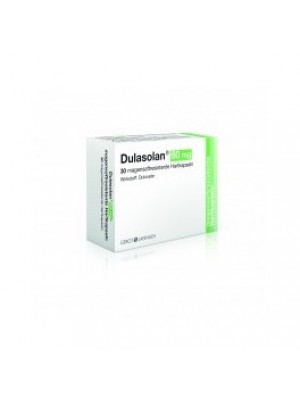
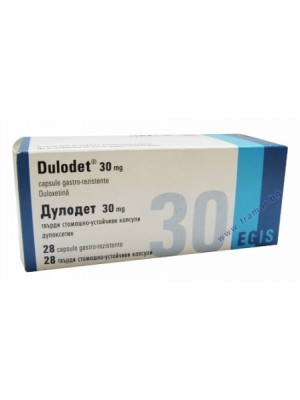
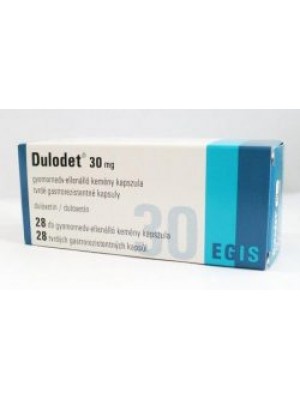
Duloxgamma 30 mg. 28 capsules
Product Code: Duloxgamma 30 mg. 28 capsules
Availability: In Stock

Product viewed: 1878


What Duloxgamma is and what it is used for
Duloxgamma contains the active substance duloxetine. Duloxgamma increases serotonin and noradrenaline levels in the nervous system.
Duloxagma is used in adults to treat:
depression;
generalized anxiety disorder (chronic anxiety or nervousness);
diabetes neuropathic pain (often described as burning, soreness, stinging, wheezing or pain similar to an electric shock.) There may be a loss of sensation in the affected area, or feelings such as touch, heat, cold, or pressure can cause pain.
In most people with depression or anxiety, Duloxagamas works within two weeks of starting treatment, but this may take 2-4 weeks before you feel better. Tell your doctor if you do not start feeling better after this time. Your doctor may continue to appoint you Duloxagam when you feel better to prevent the return of your depression or anxiety.
In people with diabetic neuropathic pain, treatment may take several weeks before you feel better. Tell your doctor if you do not feel better after 2 months.
2. What you need to know before taking Duloxgamma
Do not take Duloxgamma if:
are allergic to duloxetine or any of the other ingredients of this medicine (listed in section 6);
you have liver disease;
have severe kidney disease;
take or have taken during the last 14 days another medicine known as a monoamine oxidase inhibitor (MAOI) (see "Other medicines and Duloxam");
take fluvoxamine that is commonly used to treat depression, ciprofloxacin or enoxacin, which are commonly used to treat some infections.
Tell your doctor if you have high blood pressure or heart disease. Your doctor will tell you if you should take Duloxagma.
Warnings and precautions
Below are the reasons why Dulogamma may be inappropriate for you.
Consult your doctor before taking Duloxgamma if:
if you are taking other medicines to treat depression (see "Other medicines and Duloxam");
if you take St. John's wort during herbal treatment (Hypericum perforatum);
if you have kidney disease;
if you have had seizures (seizures);
if you have had an obsession;
if you suffer from bipolar disorder;
if you have eye problems, such as certain types of glaucoma (increased eye pressure);
if you have a history of bleeding disorders (a tendency for bruising);
if you are at risk of low sodium levels (for example if you are taking diuretics, especially if you are elderly);
if you are currently being treated with another medicine that may cause liver damage.
The main ingredient of Duloxetam, duloxetine, is used in other medicines for other conditions:
diabetic neuropathic pain, depression, anxiety and urinary incontinence.
Using more than one of these medicines at the same time should be avoided. Check with your doctor if you no longer take any other medicines containing duloxetine.
Duloxagama can cause a feeling of anxiety or inability to sit or stand in one place. You should tell your doctor if this happens to you.
Suicidal thoughts and worsening of your depression or anxiety disorder
If you are depressed and / or have an anxiety disorder, you may sometimes have thoughts of self-harm or suicide. These thoughts may increase when you first start treatment with antidepressants, because for these effects all these drugs take time - usually about two weeks, but sometimes longer.
You may be more likely to think this way if:
have had preliminary thoughts of suicide or self-harm;
you are a young adult patient. Information from clinical studies indicates an increased risk of suicidal behavior in adults under 25 years of age with psychiatric conditions treated with an antidepressant.
If you have thoughts of self-harm or suicide at any time, contact your doctor or go to hospital immediately.
You may find it helpful to tell a relative or a close friend that you are depressed or have an anxiety disorder and ask them to read this leaflet. You can ask them to tell you if they think your depression or anxiety is getting worse or if they are worried about your behavioral changes.
Children or adolescents under 18 years of age
Doloxagma should normally not be used for children or adolescents under 18 years of age. Also, you should be aware that patients under the age of 18 are at an increased risk of side effects such as attempts and thoughts of suicide and hostility (predominantly aggression, oppositional behavior and anger) when using this class of medication. However, your doctor may prescribe Duloxagma to a patient under the age of 18 if he / she thinks that it is at his / her intervals
Other Drugs and Duloxgamma
Tell your doctor or pharmacist if you are taking, have recently taken or might take any other medicines, including medicines obtained without a prescription.
Your doctor will decide if you can take Doloxagma with other medicines. Do not start or stop taking any medicines, including those without a prescription or herbal medicines, before consulting your doctor.
You should also tell your doctor if you are taking any of the following:
Monoamine oxidase inhibitors (MAOIs): You should not take Doloxagma if you are taking or have recently taken (within the last 14 days) another antidepressant medicine called a monoamine oxidase inhibitor (MAOI). Examples of MAOIs are moclobemide (antidepressant) and linezolid (antibiotic). Taking MAOIs with Duloxagma may cause serious or even life-threatening side effects. You must wait at least 14 days after you have stopped taking MAOIs before you can take Duloxagma. It is also necessary to wait at least 5 days after stopping taking Duloxagma before taking MAOIs.
Medicines that cause drowsiness: These include medicines prescribed by your doctor, including benzodiazepines, strong painkillers, antipsychotics, phenobarbital and antihistamines.
(Such as paroxetine and fluoxetine), SNRIs (such as venlafaxine), tricyclic antidepressants (such as clomipramine, amitriptyline), pethidine, St. John's Wort, and MAO inhibitors (such as moclobemide and linezolid) . These drugs increase the risk of side effects; if you get any unusual symptoms while taking these medicines with Duloxagma, you should check with your doctor.
Oral anticoagulants or anti-aggregates: Medicines that dilute the blood or prevent the blood from clotting. These medicines can increase the risk of bleeding.
Doloxgamma with food, beverages and alcohol
Caution should be exercised if you are taking alcohol while on Duloxagh.
Pregnancy and breastfeeding
If you are pregnant or breast-feeding, think you may be pregnant or planning to become pregnant, ask your doctor or pharmacist for advice before taking this medicine.
Tell your doctor if you become pregnant or if you are planning a pregnancy while taking Duloxagma. Use Duloxagma only after discussing with your doctor the potential benefits and all possible risks for the unborn child.
Make sure your midwife and / or doctor know you are getting Duloxagama. When such drugs (SSRIs) are taken during pregnancy, the risk of serious condition in babies, called persistent pulmonary hypertension in the newborn (PPHH), may be increased, causing the baby to breathe rapidly and appear bluish. These signs usually begin during the first 24 hours after the birth of the baby. If this happens to your baby, you should immediately contact your midwife and / or doctor.
If you are taking Duloxagma at the end of your pregnancy, your baby may have some signs when it is born. They usually start at birth or within a few days after the birth of your baby. These signs may include relaxed muscles, trembling, nervousness, not eating properly, breathing difficulties and seizures. If your baby has any of these signs at birth or worries about his or her health, contact your doctor or midwife who will be able to advise you.
Tell your doctor if you are breast-feeding. Doloxagma is not recommended during breast-feeding. You should talk to your doctor or pharmacist.
Driving and using machines
Duloxgamma may cause drowsiness or dizziness. Do not drive or use any equipment or machinery until you know how Duloxagm will affect you.
Duloxam contains sucrose
Duloxam contains sucrose. If you have been told by your doctor that you have an intolerance to any sugars, contact your doctor before taking this medicinal product.
3. How to take Duloxgamma
Always take this medicine exactly as your doctor or pharmacist has told you. If you are not sure, ask your doctor or pharmacist.
For depression and diabetic neuropathic pain:
The recommended dose of Duloxam is 60 mg once a day, but your doctor will prescribe the dose that is right for you.
For Generalized Anxiety Disorder:
The recommended starting dose of Doloxagma is 30 mg once a day, after which most patients take 60 mg once a day but your doctor will prescribe the correct dose for you. The dose can be adjusted to 120 mg per day based on how you respond to Duloxagama.
Do not forget to take Duloxagma, it's easier to take the medicine at the same time each day.
Duloxgamma is for oral use. You must swallow the capsule whole
If you take more Doloxgma than you should
Contact your doctor or pharmacist immediately if you have taken more Duloxagam than prescribed by your doctor. Signs of overdosage are: drowsiness, coma, serotonin syndrome (a rare reaction that can lead to a feeling of great happiness, drowsiness, clumsiness, restlessness, feeling of wheezing, fever, sweating or muscle stiffness), seizures, vomiting and rapid heartbeat frequency.
If you forget to take Duloxagma
If you miss a dose, take it as soon as you remember. If it is time for your next dose, skip the missed dose and take only the single dose as usual. Do not take a double dose to make up for the missed dose. Do not take more than the daily amount of Duloxagam, appointed for one day.
If you stop taking Duloxagma
Do not stop taking your capsules without your doctor's advice, even if you feel better. If your doctor thinks that you no longer need Duloxagam, he / she will advise you to reduce your dose for at least 2 weeks before the cessation of treatment.
Some patients who stop taking duloxetine suddenly have experienced symptoms such as:
drowsiness, tiredness, tingling sensations or feelings of the likelihood of passing the electrical current (especially in the head area), sleep disturbances (vivid dreams, nightmares, insomnia), fatigue, drowsiness, feeling of anxiety and agitation, nausea or vomiting, trembling (tremor), headache, muscle pain, irritability, diarrhea, excessive sweating or dizziness.
These symptoms are usually not serious and disappear within a few days, but if you have symptoms that worry you, ask your doctor for advice.
If you have any further questions on the use of this medicine, ask your doctor or pharmacist.
4. Possible side effects
Like all medicines, this medicine can cause side effects, although not everyone gets them.
Very common side effects (may affect more than 1 in 10 people):
headache, feeling drowsy;
nausea (feeling sick), dry mouth.
Common side effects (may affect up to 1 in 10 people):
Lack of appetite;
sleep problems, feeling of anxiety, reduced sexual attraction, anxiety, difficult or absent orgasm, vivid dreams;
dizziness, feeling weak, tremor, tingling, including numbness, bruising or tingling of the skin;
blurred vision;
tinnitus (hearing in the ear when there is no external sound source);
feeling the heart beats in the chest;
increased blood pressure, redness;
more frequent yawning;
constipation, diarrhea, stomach pain, nausea (vomiting), heartburn or indigestion, exhaustion;
increased sweating, (itchy) rash;
muscle pain, muscle spasm;
painful urination, frequent urination;
problems with reaching erection, changes in ejaculation;
seizures (mainly in the elderly), fatigue;
weight loss.
Children and adolescents under 18 years of age with depression who were treated with this medicine had low weight loss when they first started taking it. The weight is increased to that of other children and adolescents of their age and sex after 6 months of treatment.
Uncommon side effects (may affect up to 1 in 100 people):
inflammation of the throat causing a hoarse voice;
suicidal thoughts, sleep problems, toothache or toothache, sense of disorientation, lack of motivation;
sudden involuntary convulsions or twitching of the muscles, feeling anxiety or inability to sit or stand still, feeling nervous, difficulty concentrating, changes in taste sensations, difficulty in controlling movement, lack of coordination or involuntary movements of the muscles, restless legs syndrome, poor sleep;
enlarged pupils (dark center of the eye), vision problems;
feeling dizzy or "dizzy" (vertigo), ear pain;
rapid and / or irregular heartbeat;
seizures, dizziness, fainting or fainting, cold hands and / or feet;
tingling in the throat, nose bleeds;
vomiting of blood or tar-black faeces (faeces), gastroenteritis, eructation, difficulty in swallowing;
inflammation of the liver which may cause abdominal pain and yellowing of the skin or whites of the eyes;
night sweats, rashes, cold sweat, sensitivity to sunlight, increased tendency to bruise;
muscle tension, muscle twitching;
difficulty or inability to urinate, difficulty in starting urination, need to urinate at night, need for more frequent urination than usual, low urine flow;
abnormal vaginal bleeding, menstrual disorder including severe, painful, irregular or prolonged menses
How to Store Duloxgamma
Keep out of the reach and sight of children.
Do not use this medicine after the expiry date which is stated on the blister and carton after EXP. The expiry date refers to the last day of that month.
Do not store above 30 ° C. Store in the original package in order to protect from moisture.
Do not dispose of medicines in the sewer or in the household waste container. Ask your pharmacist how to dispose of medicines you no longer use. These measures will help to protect the environment.
6. Package Contents and Additional Information
What Duloxgamma contains
The active substance is duloxetine.
Each gastro-resistant hard capsule contains 30 mg duloxetine (as hydrochloride).
The other ingredients are:
Capsule contents: Hypromellose, Hypromellose acetate succinate, sucrose, sugar spheres, talc, titanium dioxide (E171), triethyl citrate.
Capsule shell: gelatin, titanium dioxide (E171), indigo carmine (E132).
What Duloxagma looks like and what the package contains
Doloxagma is available in 2 concentrations: 30 mg and 60 mg.
Doloxagma 30 mg are hard gelatin capsules with a dark blue cap and a white body. Each capsule contains pellets of duloxetine hydrochloride with a coating to protect against stomach acid.
Duloxagma 30 mg gastro-resistant hard capsules are available in packs of 28, 30, 98 and 100 capsules.
All types of packaging can be put on sale.
Write a review
Your Name:Your Review: Note: HTML is not translated!
Rating: Bad Good
Enter the code in the box below:
Related Products