
Your shopping cart is empty!
Welcome visitor you can login or create an account.
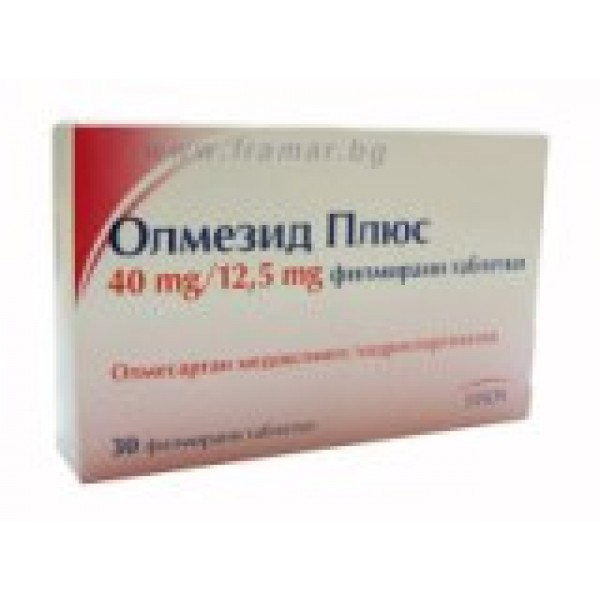
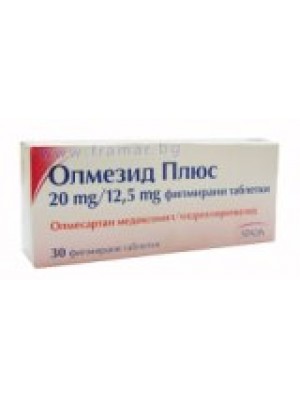
Olmezid Plus 40 mg. / 12.5 mg. 30 tablets
Product viewed: 2458


What Olmezid Plus is and what it is used for
Olmesid Plus contains two active substances, olmesartan medoxomil and hydrochlorothiazide, used to treat high blood pressure (hypertension):
Olmesartan medoxomil belongs to a group of medicines called "angiotensin II antagonists" that lower blood pressure by expanding the blood vessels.
Hydrochlorothiazide belongs to a group of medicines called thiazide diuretics ("drainage tablets"). It lowers blood pressure by helping the body to remove excess fluid, stimulating the kidneys to emit more urine.
Olmezid Plus is suitable for patients whose blood pressure is not optimally controlled on olmesartan medoxomil alone. Put together, the two active substances in this medicine help to better control blood pressure.
High blood pressure can be controlled with medicines like Olmezid Plus. Your doctor will consider whether this medicine is suitable for you and will probably recommend changes in your lifestyle (such as weight loss, smoking cessation, reduction in the amount of alcohol intake and salt in the diet) to improve blood pressure control.
Your doctor may recommend increasing your physical activity with regular exercise such as walking or swimming. It is important to follow this advice from your doctor.
2. What you need to know before you take Olmezid Plus
Do not take Olmezid Plus:
if you are allergic to olmesartan medoxomil or hydrochlorothiazide or any of the other ingredients of this medicine (listed in section 6). Do not take this medicine if you are allergic to sulphonamides (hydrochlorothiazide-like substances);
if you have severe kidney disease;
if you have low levels of potassium, sodium or high levels of calcium or uric acid in the blood (which may cause gout or kidney stones) that do not respond to treatment;
if you have moderate severe or severe liver disease or yellow skin and eye whiteness (jaundice), or if biliary excretion is impaired or bile duct passage into the gallbladder is difficult (biliary obstruction, eg gallstones);
if you are pregnant after 3 months (preferably do not take Olmezid Plus also in early pregnancy - see the section on "Pregnancy, breast-feeding and fertility");
if you have diabetes or have impaired kidney function and are being treated with a blood pressure lowering medication containing aliskiren.
If you think any of these conditions apply to you or you are not sure about anything, do not take this medicine. Talk to your doctor first and follow his advice.
Warnings and precautions
Talk to your doctor or pharmacist before taking Olmezid Plus, especially if you have any of the following health problems:
Kidney transplantation;
Hepatic disease;
Heart failure or problems with the heart or heart muscle flaps;
Severe vomiting or diarrhea that lasts for several days;
Treatment with high doses of drainage tablets (diuretics) or if you are on a salt-poor diet;
Adrenal gland problems (eg primary hyperaldosteronism);
Diabetes;
Lupus erythematosus (autoimmune disease);
Allergy or asthma;
If you are taking any of the following medicines used to treat high blood pressure:
ACE inhibitor (eg enalapril, lisinopril, ramipril), especially if you have kidney problems associated with diabetes;
aliskiren.
Your doctor may periodically check your kidney function, blood pressure and the amount of electrolytes (eg potassium) in your blood.
See also the information titled "Do not take Olmezid Plus".
Olmesid Plus may cause elevations in lipid levels in the blood and uric acid levels (which may cause gout - painful swelling of the joints). Your doctor will probably ask for blood tests to check these indicators over certain periods of time.
This medicine can change the levels of certain substances in your blood called electrolytes. Your doctor will probably ask bloodlines for certain periods of time to check these metrics.
Signs of change in electrolyte levels include: thirst, dry mouth, muscle pain or cramps, muscle fatigue, low blood pressure (hypotension), feeling weak, weakness, fatigue, drowsiness or restlessness, nausea, vomiting, less frequent urination , rapid heartbeat. If you notice any of these symptoms, tell your doctor.
As with other medicines that lower blood pressure, a sharp reduction in blood pressure in patients with impaired blood flow to the heart or brain may result in a heart attack or stroke. Your doctor will therefore closely monitor your blood pressure.
If you have to perform a parathyroid gland function test, you should stop taking Olmezid Plus before carrying out the study.
If with
Succulent, sedative and antidepressant medications: The use of these medicines together with Olmezid Plus may lead to a sudden drop in blood pressure when standing up;
Medicines such as baclofen and tubocurarine (used for muscle relaxation);
Amifostine and some medicines like picophosphamide or methotrexate (used for cancer);
Cholestyramine and colestipol (to lower lipid levels in the blood);
Anticholinergic drugs such as atropine and biperiden;
Medicines such as thioridazine, chlorpromazine, leumomepromazine, trifluoperazine, sulpiride, amisulpride, pionozide, sulpodride, thiapride, droperidol or haloperidol (for the treatment of psychiatric disorders);
Drugs for treating heart problems such as quinidine, hydroquinidine, disopyramide, amiodarone, sotalol or digitalis;
Medicines to treat heart rhythm problems such as mizolastine, pentamidine, terfenadine, dofetilide, ibutylide or erythromycin injections;
Oral antidiabetic medicines such as metformin or insulin (to lower blood sugar levels);
Beta-blockers and diazoxide: used to treat low blood sugar (eg diazoxide) or high blood pressure (beta-blockers). Olmesid Plus may affect the effects of these medicines;
Methidopa - a medicine for high blood pressure;
Noradrenaline - a medicine to treat delayed heartbeat and increase blood pressure;
Difemanil, used to treat slow heartbeat or reduce sweating;
Probenecid, sulfinpyrazone and allopurinol - medicines for the treatment of gout;
Calcium supplements;
Amantadine (antiviral medicine);
Ciclosporin (to stop rejection of organ transplants);
Antibiotics called tetracyclines;
Amphotericin (a medicine for the treatment of fungal infection);
Some antacids like hydrated complex of aluminum and magnesium hydroxide (to treat increased gastric acidity). The effect of Olmezid Plus may be slightly decreased;
Cisapride - a medicine for accelerating the movement of food in the stomach and intestines;
Halofantrine - a medicine to treat malaria;
Your doctor may need to change your dose and / or take other precautions: If you are taking an ACE inhibitor or aliskiren (see also "Do not take Olmezid Plus" and "Warnings and precautions").
Olmsid Plus with food, beverages and alcohol
Olmezid Plus can be taken with or without food. While taking Olmezid Plus, take care with alcohol because some people feel dropped or dizzy. If this happens to you, do not take alcohol.
Children and adolescents
Olmezid Plus is not recommended for use in children and adolescents under 18 years of age.
Patients of African descent
As with other similar medicines, the blood pressure lowering effect of Olmezid Plus is to some extent weaker in patients of African descent.
Pregnancy, breastfeeding and fertility
If you are pregnant or are breast-feeding, think you may be pregnant or plan to become pregnant, ask your doctor or pharmacist for advice before taking this medicine.
Pregnancy
You should tell your doctor if you are (or may be) pregnant or planning a pregnancy. Your doctor will usually advise you to stop taking Olmezid Plus before you become pregnant or as soon as you find you are pregnant and will advise you to take another medicine instead of Olmezid Plus. The use of Olmezid Plus is not recommended in early pregnancy and should not be taken after the third month of pregnancy, as it can cause serious harm to your baby.
Breastfeeding
Tell your doctor if you are breast-feeding or intend to breast-feed. Olmezid Plus is not recommended for mothers who are breast-feeding and your doctor may choose another treatment for you if you want to breast-feed, especially if your baby is newborn or premature.
Ask your doctor or pharmacist before taking any medicine.
Driving and using machines
When you are being treated for high blood pressure, you may feel sleepy or dizzy. If this happens, do not drive or operate machinery until symptoms have subsided. Ask your doctor for advice.
Olmezid Plus contains lactose (a type of sugar).
If you have been told by your doctor that you have an intolerance to some sugars, talk to your doctor before taking this medicine.
3. How to take Olmezid Plus
Always take this medicine exactly as your doctor or pharmacist has told you. If you are not sure, ask your doctor or pharmacist.
The recommended dose is one film-coated tablet Olmezide Plus 20 mg / 12.5 mg daily. However, if your blood pressure is not adequately controlled with this dose, your doctor may change it to one film-coated tablet of Olmezide Plus 40 mg / 12.5mg daily.
Swallow the tablet with a sufficient amount of liquid (for example, a glass of water). Do not chew it.
Take the dose at the same time each day, for example, during breakfast.
Take Olmezid Plus until your doctor tells you to stop taking it.
If you have taken more
Olmezid Plus contains two active ingredients, and the information below for side effects refers mostly to the combination (except those listed above) but there is also information on the two active substances separately.
Adverse drug reactions with olmesartan / hydrochlorothiazide:
Common (affects 1 out of 10 patients):
dizziness;
weakness;
headache;
fatigue;
chest pain, swelling of the ankles, feet, legs, arms or armpits.
Uncommon (affects 1 out of 100 patients):
Palpitations, rash, eczema, vertigo, cough, indigestion, abdominal pain, nausea, vomiting, diarrhea, muscle spasms, muscle pain, joint and hand pain, back pain, blood in the urine.
Observed changes in blood tests that include: Increasing the levels of lipids in the blood, increased levels of blood urea nitrogen, increase the level of creatinine, increasing or decreasing the level of potassium in the blood, increasing the level of calcium in the blood, elevated blood glucose levels, elevated liver function response rates.
Your doctor may periodically appoint blood tests and take appropriate measures during treatment.
Rare (affects 1 out of 100 patients):
Feeling unwell, disturbed consciousness, lumps under the skin, acute kidney failure. Some changes in blood tests such as increased blood urea nitrogen, increased uric acid in the blood, decreased hemoglobin and hematocrit.
Your doctor may periodically appoint blood tests and take appropriate measures during treatment.
Additional side effects reported with olmesartan medoxomil or hydrochlorothiazide alone:
Olmesartan medoxomil
Common (affects 1 in 10 patients):
Bronchitis, cough, clogged or runny nose, sore throat, stomach pain, indigestion, nausea, gastroenteritis, chest, back, bone or joint pain, urinary bladder, urinary tract infection, weakness, flu-like symptoms.
Changes in blood tests have been observed, including: Increased lipid levels in the blood, urea in the blood, uric acid in the blood, increased levels of indicators for muscle and liver function.
Uncommon (affects 1 in 100 patients):
Fast-acting allergic reactions that may affect the whole body and cause breathing problems as well as a sudden decrease in blood pressure leading to fainting (anaphylactic reaction), swollen face, chest pain (chest discomfort, known as angina pectoris), malaise, allergic skin rash, pruritus, exanthema (skin rash), lumps on the skin.
Changes in blood tests: decreased number of blood cells known as platelets (thrombocytopenia).
Rare (affects 1 in 1,000 patients):
Impairment of renal function, lack of energy.
Changes in blood tests: elevated potassium levels in the blood.
Hydrochlorothiazide
Very common (affects more than 1 user in 10):
Changes in blood tests: increased levels of lipids and uric acid in the blood.
Common (affects 1 in 10 patients):
Confusion, stomach pain, nausea, feeling sick, nausea, vomiting, diarrhea, constipation, urine glucose secretion (glucosuria).
Changes in blood tests: elevated levels of creatinine, urea, calcium in the blood, elevated blood glucose, reduced levels of chloride, potassium, magnesium and sodium in the blood. Elevated serum amylase (hyperamylase).
Uncommon (affects 1 in 100 patients):
Reduced or absent appetite, anaphylactic skin reactions (hypersensitivity) reactions, worsening of myopia, erythema, light sensitivity, itching, red spots or patches on the skin, due to the mild bleeding (purpura), bumps on the skin, difficulty breathing.
Rare (affects 1 in 1,000 patients):
Swelling and inflammation of the salivary glands (sialadenitis), reduced white blood cell counts, low platelet count, anemia, bone marrow damage, anxiety, feelings of anxiety, depression, trouble sleeping, lack of interest (apathy), tingling and numbness, seizures, seeing the objects in yellow; blurred vision, dry eye, irregular heartbeat, inflammation of the blood vessels, blood clots (thrombosis or embolism), inflammation of the lungs, fluid retention in the lungs, inflammation of the pancreas, jaundice, gallbladder infection, lupus erythematosus such as rash, joint pain and cold palms and fingers, allergic skin reactions, peeling and blistering of the skin; noninfectious inflammation of the kidneys (interstitial nephritis), fever, muscle weakness (impaired motor function), impaired kidney function.
Very rare (affects less than 1 patient in 10,000):
Impaired electrolyte balance, which may lead to loss of chlorides
How to store Olmesid Plus
Keep out of the reach and sight of children.
This medicinal product does not require any special storage conditions.
Do not use this medicine after the expiry date which is stated on the carton. The expiry date refers to the last day of that month.
Do not dispose of medicines in the sewage system or in the household waste container. Ask your pharmacist how to dispose of medicines you no longer use. These measures will help to protect the environment.
6. Package Contents and Additional Information
What Olmezid Plus contains
The active substances are olmesartan medoxomil and hydrochlorothiazide.
Each film-coated tablet contains 20 mg of olmesartan medoxomil and 12.5 mg of hydrochlorothiazide.
Each film-coated tablet contains 40 mg of olmesartan medoxomil and 12.5 mg of hydrochlorothiazide.
The other ingredients are: Lactose monohydrate, cellulose, microcrystalline, crospovidone, colloidal anhydrous silica, magnesium stearate, hypromellose, macrogol 4000, titanium dioxide (E171), red iron oxide (E172), yellow iron oxide (E172).
What Olmezid Plus looks like and contents of the pack
Olmezid Plus 20 mg / 12.5 mg: Beige, round, biconvex tablet with a cut-off on one side and a diameter of 8 mm. The score line is not intended to be divided into equal doses.
Olmezid Plus 40 mg / 12.5 mg: Beige, oblong, biconvex tablet with a cut line on one side and dimensions: length 16.3 mm and width 7.8 mm. The score line is not intended to be divided into equal doses.
The tablets are available in blister packs of oPA / Alu-PVC foil sealed with aluminum foil.
Pack sizes of 10, 14, 28, 30, 56, 60, 84, 90, 98, 100, 112, 156 and 168 film-coated tablets.
Not all pack sizes may be marketed.
Write a review
Your Name:Your Review: Note: HTML is not translated!
Rating: Bad Good
Enter the code in the box below:
Related Products
What is Olmesta plus 20 mg / 12,5 mg tablets is and what it ..
24.00€
What Tansidor N is and what it is used for
Tansidor H conta..
24.00€
What is Coolsart and what it is used for
Coolsart 20 mg / 1..
25.00€
What Olmeside Plus is and what it is used for
Olmeside Plus..
24.00€