Your shopping cart is empty!
Welcome visitor you can login or create an account.
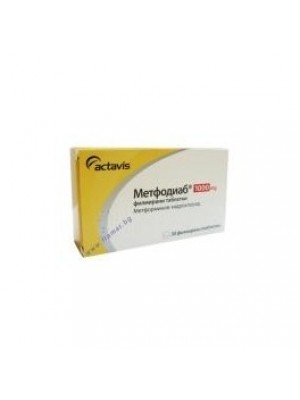
Normaglyc 1000 mg. 90 tablets

Product viewed: 2287


What is Normaglyc and what it is used for
What is Normaglyc
Normaglyc contains metformin, a medicine used to treat diabetes. It belongs to a group of medicines called biguanides.
Insulin is a hormone secreted by the pancreas that causes your body to take glucose (sugar) from the blood. Your body uses glucose to produce energy or store it for further use.
If you have diabetes, your pancreas does not release enough insulin or your body can not make full use of insulin secreted. This leads to a high level of glucose in your blood. Normoglyca helps to lower blood sugar levels as low as possible.
If you are an overweight adult, taking Normogly for a prolonged period of time also helps reduce the risk of complications due to diabetes.
Normoglyc is associated either with maintaining a constant body weight or with moderate weight loss.
What Normoglyc is used for
Normoglyc is used to treat patients with type 2 diabetes (also called "non-insulin dependent diabetes") when only diet or physical activity is not enough to control your blood sugar levels. It is used especially in overweight patients.
Adults may take Normoglyc alone or together with other medicines to treat diabetes (medicines taken orally or insulin).
Children over 10 years of age and adolescents can take Normogly alone or together with insulin.
If you do not feel better or your condition gets worse, you should seek medical attention.
2. What you need to know before you take Normoglyc
Do not take Norman:
if you are allergic to metformin or any of the other ingredients of this medicine (listed in section 6);
if you have kidney or liver problems;
if you have uncontrolled diabetes such as severe hyperglycaemia (high blood glucose), nausea, vomiting, dehydration, rapid weight loss or ketoacidosis. Ketoacidosis is a condition in which substances called "ketone bodies" accumulate in the blood and which can lead to a diabetic pre-coma. Symptoms include stomach pain, rapid and deep breathing, drowsiness or breath of unnatural fruit odor;
if you lose too much water (dehydration) due to prolonged or severe diarrhea or if you have worn several times in a row. Dehydration can lead to kidney problems that may put you at risk for lactic acidosis (see "Warnings and Precautions" below);
if you have a severe infection, such as an infection affecting your lungs or your bronchial system or kidneys. Severe infections can lead to kidney problems that may put you at risk for lactic acidosis (see "Warnings and Precautions" below);
if you are being treated for heart failure or have recently had a heart attack, have severe blood circulation problems (such as shock) or have difficulty in breathing. This can lead to oxygen deficiency in tissues, which puts you at risk for lactic acidosis (see "Warnings and Precautions" below);
if you abuse alcohol.
If any of the above applies to you, tell your doctor before you start using this medicine.
Contact your doctor for advice if:
it is necessary to carry out an X-ray or scanning test that requires injection into the blood of a contrast medium containing iodine;
you are going to have a major surgical intervention (operation).
You must stop taking Normaglyc for a period of time before and after the study or surgery. Your doctor will decide whether you need another treatment during this period. It is important to follow your doctor's instructions very precisely.
Warnings and precautions
Very common Normoglyc can cause a serious complication called lactic acidosis, especially if your kidneys do not work properly. The risk of lactic acidosis also increases in uncontrolled diabetes, prolonged fasting or alcohol intake. Symptoms of lactic acidosis are vomiting, stomach pain with muscle cramps, a common feeling that nothing is right with strong fatigue and difficulty in breathing. If this happens to you, you may need immediate treatment. Stop taking Normaglipt and tell your doctor straight away.
Normoglyc alone does not induce hypoglycaemia (too low blood sugar). However, there is a risk of hypoglycaemia if you take Normoglyc with other medicines to treat diabetes that can cause hypoglycaemia (such as sulphonylureas, insulin, meglitinides). If you have symptoms of hypoglycaemia such as weakness, dizziness, abundant sweating, rapid heartbeat, visual disturbances or difficulty in concentrating, it usually helps if you eat or drink something containing sugar.
Other medicines and Normoglyc
If you need to put a direct injection into your bloodstream with a contrast medium that contains iodine, for example,
Driving and using machines
Normoglyc alone does not induce hypoglycaemia (too low blood sugar). This means it will not affect your ability to drive or use machines.
However, pay special attention if you take Normoglyc with other medicines to treat diabetes that may cause hypoglycaemia (such as sulphonylureas, insulin, meglitinides). Symptoms of hypoglycaemia include weakness, dizziness, abundant sweating, rapid heart rhythm, visual disturbances or difficulty in concentrating. Do not drive or operate machinery if these symptoms occur.
3. How to take Normoglyc
Always take this medicine exactly as your doctor has told you. If you are not sure, ask your doctor or pharmacist.
Normoglyc can not replace the benefits of a healthy lifestyle. Continue to follow the diet advice given by your doctor and do regular exercise.
Usual dose
Children aged 10 years and older and adolescents usually start with 500 mg or 850 mg of Normogly once daily. The maximum daily dose is 2000 mg taken as 2 or 3 separate doses. Treatment of children between 10 and 12 years of age is only recommended if specifically recommended by your doctor as experience in this age group is limited.
Adults usually start with 500 mg or 850 mg of Normogly twice or three times a day. The maximum daily dose is 3000 mg taken as 3 single doses.
If you are taking insulin at the same time, your doctor will tell you how to start treatment with Normoglyc.
Surveillance
Your doctor will adjust the dose of Normaglik to your blood sugar levels. You should consult your doctor regularly. This is especially important for children and adolescents if you are the elderly.
Your doctor will also check at least once a year how your kidneys work. You may need more frequent checks if you are elderly or your kidneys are not functioning properly.
How to take Normoglyc
Take the tablets during or after a meal. This will help prevent unwanted effects on digestion. Do not break or chew the tablets. Swallow each tablet with a glass of water.
If you take one dose a day, take it in the morning (breakfast).
If you take two separate doses daily, take them in the morning (breakfast) and in the evening (during dinner).
If you take three separate doses, take them in the morning (breakfast), lunch (lunchtime) and evening (during dinner).
If, after a while, you think the effect of Normaglyc is too weak or too strong for you, tell your doctor.
If you take more than the usual dose of Normaglyc
If you take more than the normal dose of Normaglique, this may lead to lactic acidosis. Symptoms of lactic acidosis are vomiting, stomach pain with muscle cramps, general feeling of being sick with severe fatigue and difficulty in breathing. If this happens, you need immediate hospital treatment because lactic acidosis can cause a coma. Tell your doctor immediately.
If you forget to take Normoglyc
Do not take a double dose to make up for the missed dose. Take the next dose at the usual time.
If you have any further questions on the use of this medicine, ask your doctor or pharmacist.
4. Possible side effects
Like all medicines, Normoglyc can cause side effects, although not everyone gets them.
The following side effects may occur:
Very common side effects (more than 1 in 10 patients):
Digestive problems such as nausea, vomiting, diarrhea, abdominal pain and loss of appetite. These side effects are most common when initiating treatment with Normoglyc. Their manifestations may be limited if you distribute the dose evenly during the day and take the tablets during or immediately after a meal. If symptoms persist, stop taking Normaglipt and consult your doctor.
Common side effects (less than 1 in 10 patients):
Taste disturbances.
Very rare side effects (less than 1 in 10,000 patients):
Lactic acidosis. This is very rare, but a serious complication, especially if you have kidney problems. If this complication occurs, immediate treatment is needed. Symptoms of lactic acidosis are vomiting, stomach pain with muscle cramps, a general feeling of being sick with severe fatigue and difficulty in breathing. If this happens to you, stop taking Normogly immediately and contact your doctor immediately.
Skin reactions such as redness of the skin (erythema), itching or rash and itching (urticaria);
Low levels of vitamin B12 in the blood;
Deviations in hepatic function tests or hepatitis (inflammation of the liver, which can cause fatigue, loss of appetite, weight loss, with or without yellowing of the skin or white eyes). If this happens, stop taking this medicine and talk to your doctor.
Children and adolescents
Limited data in children and adolescents
Packaging content and additional information
What Metformil contains 1000 mg
The active substance is metformin and is present as metformin hydrochloride.
Each film-coated tablet contains 1000 mg metformin hydrochloride equivalent to 780 mg metformin.
The other ingredients are:
Tablet core: Povidone, magnesium stearate.
Film coating: Hypromellose, macrogol.
What Normoglyc looks like and what the package contains
Film-coated tablets Normoglyc 1000 mg
White, oval, biconvex film-coated tablets with "A" on one side and "62" on the other side. The groove on the tablets is not a dividing line and therefore they can not be broken into two equal halves.
Normaglipt 1000 mg is packed in blisters.
1000 mg: 20, 30, 40, 50, 60, 70, 80, 90, 100 or 120 film-coated tablets blister packs, each blister containing 10 film-coated tablets.
Not all pack sizes may be marketed.
Write a review
Your Name:Your Review: Note: HTML is not translated!
Rating: Bad Good
Enter the code in the box below:
Related Products