
Your shopping cart is empty!
Welcome visitor you can login or create an account.
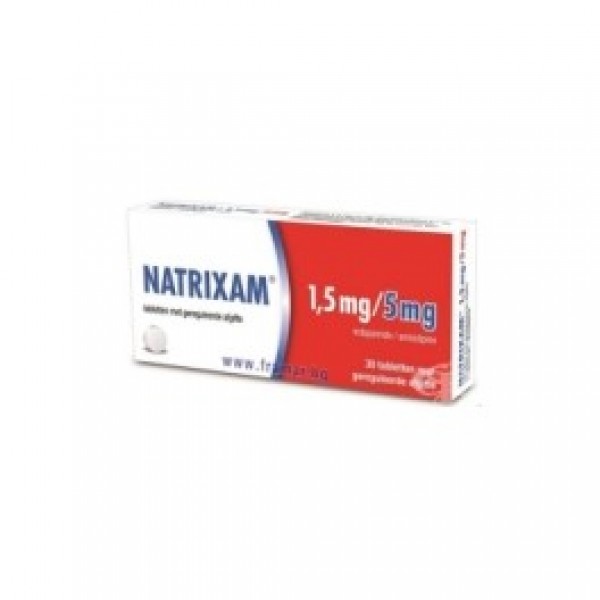
NATRIXAM 1.5 mg. / 5 mg. 30 tablets
Product Code: NATRIXAM 1.5 mg. / 5 mg. 30 tablets
Availability: In Stock
Product viewed: 1995


NATRIXAM 1.5 mg. / 5 mg. 30 tablets
What is NATRIXAM and what it is used
Natriksam is administered as replacement therapy of high blood pressure (hypertension) in patients who are already taking indapamide and amlodipine in separate tablets in the same amount.
NATRIXAM is a combination of two active ingredients - indapamide and amlodipine.
Indapamide is a diuretic. Diuretics increase the amount of urine formed by the kidneys. Indapamide is different from other diuretics, as it only causes a slight increase in the amount of urine formed. Amlodipine is a calcium antagonist (which belongs to a class of medicines called dihydropyridines) and works by relaxing blood vessels to pass more easily blood through them. Each of the active ingredients lowers blood pressure.
2. What you need to know before taking NATRIXAM
Do not take NATRIXAM
if you are allergic to indapamide or other sulfonamide (class medicine for the treatment of hypertension), or to amlodipine or to any other calcium antagonist (class of drugs to treat hypertension) or any of the other ingredients of this medicine (listed in section 6 ). It can manifest with itching, redness of the skin and difficulty breathing;
if you have very low blood pressure (hypotension);
if you have narrowing of the aortic heart valve (aortic stenosis) or cardiogenic shock (a condition in which the heart can not supply the body with enough blood);
if you suffer from heart failure after myocardial infarction (heart attack);
if you have severe kidney disease;
if you have severe liver disease or suffer from a condition which is called hepatic encephalopathy (brain disease caused by liver disease);
if you have low levels of potassium in her blood;
if you are breastfeeding.
Warnings and Precautions
Talk to your doctor or pharmacist before taking NATRIXAM
You should tell your doctor if you have or have had any of the following conditions:
a recent myocardial infarction;
if you have heart failure, any problems with heart rhythm or if you have coronary heart disease (heart disease caused by impaired blood flow in the vessels of the heart);
if you have problems with your kidneys;
severe increase in blood pressure (hypertensive crisis);
if you are elderly and need your dose must be increased;
if you are taking any other medicines;
if you malnutrition;
if you have liver problems;
if you have diabetes;
if you suffer from gout;
if you need to do your research to check whether your parathyroid gland function normally;
if you photosensitivity reactions.
Your doctor may prescribe blood tests to check and detect low levels of sodium or potassium or high calcium levels.
If you think any of these situations applies to you, or if you have any questions or doubts about taking your medicine, you should discuss with your doctor or pharmacist.
Athletes should be made aware of the fact that this drug contains an active substance that may cause a positive results in doping control.
Children and adolescents
NATRIXAM should not be given to children and adolescents.
Other medicines and NATRIXAM
Tell your doctor or pharmacist if you are taking, you have recently taken or might take any other medicines.
You should not take NATRIXAM
lithium (used to treat psychiatric disorders such as mania, manic-depressive illness and recurrent depression) due to the risk of increased levels of lithium in blood;
with dantrolene (infusion for severe abnormalities in body temperature).
Be sure to tell your doctor if you are taking any of these drugs, as this might require special care:
other medicines to treat high blood pressure;
drugs used to treat problems with the heart beat (for example, quinidine, hydroquinidine, disopyramide, amiodarone, sotalol, ibutilide, dofetilide);
medicines to treat psychiatric disorders such as depression, anxiety, schizophrenia (eg. tricyclic antidepressants, antipsychotic drugs, neuroleptics);
bepridil (used to treat angina (angina) - a condition that causes chest pain;
tsisapirid, diphemanil (used to treat gastro-intestinal problems);
sparfloxacin, moxifloxacin (antibiotics used to treat infections);
vincamine IV (used to treat symptomatic cognitive disorders in elderly including memory loss);
halofantrine (antiparasitic drug used to treat certain types of malaria);
pentamidine (used to treat certain types of pneumonia);
mizolastine (used for treating allergic reactions such as hay fever);
NSAIDs for pain relief (eg., ibuprofen), or high doses of acetylsalicylic acid;
angiotensin converting enzyme (ACE) inhibitors (used to treat high blood pressure and heart failure);
oral corticosteroids used to treat various conditions including severe asthma and rheumatoid arthritis;
digitalis (cardiac glycosides) (to treat heart problems);
stimulant laxatives;
baclofen (to treat muscle stiffness occurring in some diseases, such as multiple sclerosis);
potassium-sparing diuretics (amiloride, spironolactone, triamterene);
metformin (for diabetes);
iodinated contrast agents (used for research with X-rays);
calcium tablets or other calcium supplements;
cyclosporine, tacrolimus, or other medications to suppress the immune system after organ transplantation or to treat autoimmune diseases, or severe rheumatic or dermatological diseases;
tetrakosaktid (to treat Crohn's disease);
ketoconazole, itraconazole, amphotericin B in the form of injection (medicines against fungal diseases);
ritonavir, indinavir, nelfinavir (ie. protease inhibitors used to treat HIV);
rifampicin, erythromycin, clarithromycin (antibiotics);
Hypericum perforatum (St. John's wort);
verapamil, diltiazem (heart medicine);
simvastatin, a drug used to reduce cholesterol and fats (triglycerides) in the blood.
Natriksam with food and drink
People taking NATRIXAM should not consume grapefruit juice and grapefruit. This is because grapefruit and grapefruit juice may lead to increased blood levels of the active ingredient amlodipine, which in turn may cause an unpredictable increase in the effect of lowering blood pressure NATRIXAM
Pregnancy and lactation
If you are pregnant or breast-feeding, you think you may be pregnant or planning to become pregnant, ask your doctor or pharmacist before taking this medicine.
This medicine is not recommended during pregnancy. When planning or confirm pregnancy as quickly as possible should start passing your alternative treatment.
Tell your doctor if you are pregnant or planning to become pregnant. If you think you may be pregnant or planning to become pregnant, you should tell your doctor before you start taking NATRIXAM
You should not take NATRIXAM if you are breastfeeding. Tell your doctor if you are breastfeeding or plan to breastfeed.
Driving and using machines
Natriksam can affect your ability to drive and use machines. If the tablets make you feel sick, dizzy or tired, or if you cause headache, do not drive or operate machinery and immediately contact your doctor. In this case, you should refrain from driving and other activities that require alertness.
Natriksam contains lactose. If you are told by your doctor that you have an intolerance to some sugars, contact him before taking this medicine.
3. How to take NATRIXAM
Always take this medicine exactly as your doctor has told you. If you're not sure, ask your doctor or pharmacist.
The recommended dose is one tablet once a day, preferably morning. The tablet should be swallowed whole with water, without chewing.
If you take more than the amount NATRIXAM
Taking too many tablets may cause a drop in your blood pressure even to dangerously low levels. You may feel dizzy, sleepy, with relieved head may faint or feel weak. You may have nausea, vomiting, cramps, confusion and changes in the amount of urine produced in the kidneys. If the drop in blood pressure is highly developed, can occur and shock. You may feel your skin cold and clammy, as you may lose and consciousness. If you take too many tablets Natriksam, seek medical advice immediately.
If you forget to take NATRIXAM
Do not worry. If you forget to take a tablet, skip this entirely dose: Take your next dose at the usual time. Do not take a double dose to make up the missed dose.
If you stop taking NATRIXAM
As the treatment for high blood pressure is usually life long, you should discuss with your doctor before you stop taking this medicine.
If you have any further questions on the use of this medicine, ask your doctor or pharmacist.
4. Possible side effects
Like all medicines, this medicine can cause side effects, although not everybody gets them.
Stop taking this medicine and visit your doctor immediately if you experience any of the following side effects:
sudden wheezing, chest tightness, shortness of breath or difficulty breathing (uncommon, may affect up to 1 in 100 people);
swelling of the eyelids, face or lips (very rare, may affect up to 1 in 10,000 people);
swelling of the tongue and throat, which can cause severe breathing difficulties (very rare, may affect up to 1 in 10,000 people);
severe skin reactions including intense skin rash, hives, redness of the skin of the whole body, severe itching, blistering, peeling and swelling of the skin, inflammation of mucous membranes (syndrome of Stevens Johnson) or other allergic reactions (very rare, may affect up to 1 in 10,000 people);
heart attack, irregular heart rhythm (very rare, may affect up to 1 in 10,000 people);
life-threatening irregular rhythm (torsades de pointes) (not known);
inflamed pancreas, which can cause severe abdominal pain and back pain, while feeling very bad (very rare, may affect up to 1 in 10,000 people).
It was reported the following common side effects. If any of them bother you or continue if more than one week, contact your doctor.
Common: may affect up to 1 in 10 people:
headache, dizziness, sleepiness (especially at the beginning of treatment);
palpitations (to feel your heart beating), flushing;
abdominal pain, nausea;
swelling (edema) of the ankles, fatigue;
low potassium levels in the blood, which can cause muscle weakness;
skin rashes.
RRM and other adverse reactions included in the following list. If any of the side effects gets serious, or you notice other effects not listed in this leaflet, please tell your doctor or pharmacist.
Uncommon: may affect up to 1 in 100 people:
mood swings, anxiety, depression, desire for sleep;
tremor, taste disturbance, fainting (fainting), weakness;
numbness or tingling sensation in the limbs, loss of sense of pain;
visual disturbances, double vision, ringing in the ears;
low blood pressure;
sneezing / runny nose caused by inflammation of the nasal mucosa (rhinitis);
altered bowel habits, diarrhea, constipation, indigestion, dry mouth, vomiting (being sick);
hair loss, increased sweating, itchy skin, red spots on the skin, discolored skin;
disorders of urination, increased urge to urinate at night, increased urinary frequency;
inability to achieve an erection, discomfort or breast enlargement in males;
weakness, pain, general feeling of malaise;
pain in the joints or muscles, muscle cramps, back pain;
increase or weight reduction.
Rare: may affect up to 1 in 1000 people:
confusion;
feeling dizzy.
Very rare: may affect up to 1 in 10,000 people:
changes in blood cells, such as thrombocytopenia (low platelet count, which causes easy bruising and bleeding from the nose), leukopenia (reduction in the number of white blood cells which may cause unexplained fever, sore throat or other flu-like symptoms - if you get such a reaction, contact your doctor) and anemia (reduction in red blood cells);
high blood sugar (hyperglycemia);
high levels of calcium in the blood;
disorder of the nerves which can cause weakness, tingling sensation or numbness;
cough;
swelling of the gums;
bloating (gastritis);
abnormalities in liver function, inflammation of the liver (hepatitis), yellowing of the skin (jaundice), increased liver enzymes, which may affect some medical tests; in case of liver failure, there is likely to have hepatic encephalopathy (brain disease caused by disease of the liver);
kidney disease;
increased muscle tension;
inflammation of blood vessels, often with skin rash;
sensitivity to light;
violations with a combination of rigidity (stiffness), tremor and / or movement disorders.
Not known (frequency can not be estimated from available data):
possibly be changes in laboratory parameters and maybe your doctor will need to test your blood to check your condition. May occur following changes in laboratory parameters:
low sodium level in the blood which may lead to dehydration and low blood pressure;
Blood uric acid - a substance that can cause or worsen gout (painful one or more joints, especially plantar);
elevated levels of blood glucose in patients with diabetes;
abnormal ECG recordings.
If you suffer from systemic lupus erythematosus (a type of collagen disease), it is possible to deteriorate.
5. How to store NATRIXAM
Keep out of reach of children.
Do not use this medicine after the expiry date stated on the carton and blister or bottle. The expiry date refers to the last day of that month.
Blisters: Do not store above 30 ° C.
Write a review
Your Name:Your Review: Note: HTML is not translated!
Rating: Bad Good
Enter the code in the box below:
Related Products
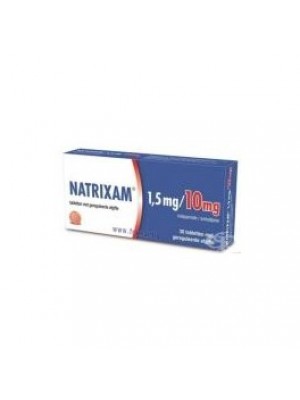
NATRIXAM 1.5 mg. / 10 mg. 30 tabletsWhat is NATRIXAM and wha..
18.00€
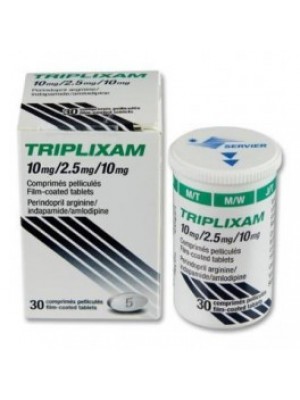
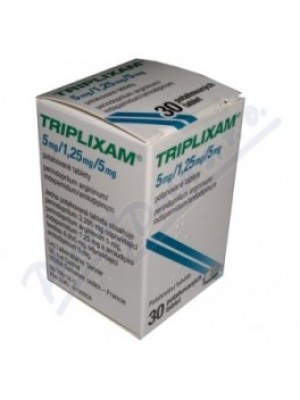
TRIPLIXAM 5 mg. / 10 mg. 30 tabletsWhat is TRIPLIXAM and wha..
23.00€
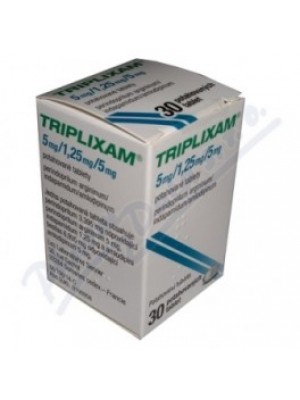
TRIPLIXAM 5 mg. / 5 mg. 30 tabletsWhat is TRIPLIXAM and what..
18.00€