
Your shopping cart is empty!
Welcome visitor you can login or create an account.
Lipetrance 20 mg. / 5 mg. / 5 mg. 30 tablets
Product Code: Lipetrance 20 mg. / 5 mg. / 5 mg. 30 tablets
Availability: In Stock

Product viewed: 2354


What is Lipertance and what it is used for
Lipertance contains three active ingredients: atorvastatin, perindopril arginine and amlodipine in one tablet.
Atorvastatin belongs to a group of medicines called statins and medicines that regulate lipids (fats).
Perindopril arginine is an angiotensin-converting enzyme (ACE) inhibitor. In patients with high blood pressure it works by expanding the blood vessels, which makes your heart easier in pumping blood through them.
Amlodipine belongs to a group of medicines called calcium antagonists. In patients with high blood pressure it works by relaxing the blood vessels, which makes your heart easier in pumping blood through them. In patients with angina (which causes chest pain), it works by improving the blood supply to the heart muscle, which, thanks to this, gets more oxygen and the result is prevention of chest pain.
Lipertance is used to treat high blood pressure (hypertension) and / or stable coronary heart disease (a condition where blood flow to the heart is reduced or blocked) in adults who also suffer from one of the following conditions:
Elevated cholesterol levels (primary hypercholesterolaemia);
Concomitant elevated cholesterol and fat (triglycerides) (combined or mixed hyperlipemia).
Lipopertis is for patients who are already receiving atorvastatin, perindopril arginine and amlodipine in the form of separate tablets. Instead of taking atorvastatin, perindopril and amlodipine as separate tablets, you will take a single tablet of Lippertans, which contains all three active ingredients in the same amount.
2. What you need to know before you take Lipertance
Do not take Lipertance:
if you are allergic (hypersensitive) to atorvastatin or other statins, to perindopril or another ACE inhibitor, to amlodipine or other calcium antagonists or any of the other ingredients of this medicine (listed in section 6);
if you have a disease that affects the liver;
if you have any abnormalities in the blood test results of a liver function for an undetermined cause;
if you have very low blood pressure (hypotension);
if you have cardiogenic shock (a condition where the heart can not supply the body with enough blood);
if you have blocked blood flow from the left ventricle of the heart (eg hypertrophic obstructive cardiomyopathy and high grade aortic stenosis);
if you suffer from heart failure after myocardial infarction;
if you have experienced symptoms such as whistling, swelling of the face, tongue or throat, intense itching or severe skin rashes with ACE inhibitors in the past, or if you or a member of your family have experienced similar symptoms in any other circumstances called angioedema);
if you have diabetes or have impaired kidney function and are being treated with a blood pressure lowering drug containing aliskiren;
if you are pregnant or planning to become pregnant, or if you are a woman of childbearing potential and you are not using a reliable method of contraception;
if you are breast-feeding.
Warnings and precautions
Talk to your doctor or pharmacist before taking Lipopertha if:
have liver problems or have had a history of liver disease;
have moderate to severe kidney problems;
consume large amounts of alcohol regularly;
have repetitive or unclear dull or severe muscle pain, personal or family history of muscle problems;
you or your close relative has muscle problems that are found in other family members;
if you have had muscle problems in the past during treatment with other lipid-lowering medicines (eg other statin or fibrates medicines);
if you have decreased thyroid function (hypothyroidism);
you have a condition or a case leading to elevated levels of atorvastatin in your blood;
develop symptoms of severe respiratory failure during treatment;
you have diabetes (high blood glucose levels);
have heart failure or other heart problems;
you have recently had a myocardial infarction;
have recently had diarrhea or vomiting or if you are dehydrated;
have a mild stenosis of the aortic or mitral valve (narrowing of the main blood vessel leading from the heart or from the mitral valve of the heart);
have kidney problems; you recently had a kidney transplant or if you were on dialysis;
you are elderly;
you have had a severe allergic reaction with swelling of the face, lips, tongue or throat, accompanied by difficulty swallowing or difficulty in breathing (angioedema). This can happen at any time during the course of treatment. If you develop such symptoms, you should stop taking Lipopertis and go to a doctor immediately;
are of black background because you may have a greater risk of angioedema and this medicine
other medicines for high blood pressure, including aliskiren, angiotensin II receptor blockers (eg valsartan), see also the information under the heading "Do not take Lippertance" and "Warnings and precautions");
potassium-sparing medicines (e.g., triamterene, amiloride, eplerenone, spironolactone), potassium supplements or potassium-containing salt substitutes;
estramustine (used to treat cancer);
lithium for the treatment of mania and depression;
medicines for the treatment of diabetes (such as insulin, metformin and gliptins);
baclofen (used to treat muscle stiffness in some diseases such as multiple sclerosis);
non-steroidal anti-inflammatory drugs (eg ibuprofen) to relieve pain or treat inflammation (eg rheumatoid arthritis) or high doses of aspirin;
vasodilators, including nitrates (products that expand blood vessels);
heparin (a medicine used to thin the blood);
medicines for the treatment of psychiatric disorders such as depression, anxiety, schizophrenia, etc. (eg tricyclic antidepressants, antipsychotic drugs);
medicines used to treat low blood pressure, shock or asthma (eg ephedrine, noradrenaline or adrenaline);
golden salts, especially when given intravenously (used to treat symptoms of rheumatoid arthritis);
allopurinol (for treating gout);
procaine (for the treatment of irregular heart rhythm).
Lippertans with food and drinks and alcohol
It is preferable to take Lipopertis before a meal.
Grapefruit and grapefruit juice
People who take Lippertans should not consume grapefruit and grapefruit juice. This is because grapefruit and grapefruit juice can lead to an increase in blood levels of the active ingredient amlodipine, which in turn may cause an unpredictable increase in the effect of lowering blood pressure from Lippertans.
If you are taking Lipopertha you should not consume more than one or two small glasses of grapefruit juice daily because the large amounts of grapefruit juice will result in an increase in the effect of the active ingredient atorvastatin.
Alcohol
Avoid consuming large amounts of alcohol while you are being treated with this medicine. See Section 2: "Warnings and Precautions" for details.
Pregnancy
Do not take Lipertance if you are pregnant, planning to become pregnant, or if you have childbearing potential unless you apply reliable methods to prevent pregnancy (see "Do not take Lippertans").
If you are pregnant or are breast-feeding, think you may be pregnant or plan to become pregnant, ask your doctor or pharmacist for advice before taking this medicine.
This medicine should not be taken during pregnancy.
Breastfeeding
You should not take Lipertance if you are breast-feeding. Tell your doctor immediately if you are breast-feeding or intend to breast-feed.
Driving and using machines
Lippertance may cause dizziness, headache, fatigue or nausea. If your medication affects you, your ability to drive or use machines may be impaired, especially at the beginning of treatment.
Lipopertha contains lactose
If you have been told by your doctor that you have an intolerance to some sugars, contact your doctor before taking this medicinal product.
3. How to take Lipertance
Always take this medicine exactly as your doctor has told you. If you are not sure, ask your doctor or pharmacist.
The recommended dose is one tablet once a day. Take your tablet with a glass of water, preferably at the same time each day, in the morning before a meal.
Children and adolescents
Lipopertis is not recommended for use in children and adolescents under the age of 18 years.
If you take more Lipoperthan than you should
If you take more tablets than you prescribed, contact your nearest emergency department or tell your doctor immediately. Taking too many tablets can cause your blood pressure to drop even at dangerously low levels. You may feel dizzy, sleepy, headache, fainting or feeling weak. If this happens, it may help if you lie down and raise your legs up. If the fall in blood pressure is strong, shock can also occur. It is possible to feel your skin cold and sticky, and you may lose consciousness.
If you forget to take Lipertance
It is important to take your medicine every day, as regular treatment is more effective. If you forget to take a dose of Lippertone, take the next dose at the usual time. Do not take a double dose to make up for the missed dose.
If you stop taking Lippertans
Because treatment with Lipertance usually lasts for long, you should discuss with your doctor before stopping taking this medicine.
If you have any further questions on the use of this medicine, ask your doctor or pharmacist.
4. Possible side effects
Like all medicines,
Tell your doctor if you notice any of the following side effects:
Common (may affect up to 1 in 10 people):
inflammation of the nasal passages, sore throat, nasal bleeding;
allergic reactions (such as skin rashes, pruritus);
increase blood sugar (if you have diabetes, continue to closely monitor your blood sugar levels), increase blood creatine kinase;
headache, dizziness, dizziness, numbness of the limbs, feeling tired;
visual disturbances;
tinnitus (feeling or ringing in the ears);
cough, shortness of breath (dyspnoea);
gastrointestinal disorders: nausea (feeling sick), vomiting, constipation, belching, indigestion, diarrhea, abdominal pain, taste disturbances, dyspepsia;
joint pain, muscle pain, muscle cramps and back pain;
swelling of the ankles (swelling), palpitations (feel how your heart beats), flushing;
results of blood tests that indicate that it is possible to experience liver function disorder.
Uncommon (may affect up to 1 in 100 people):
anorexia (loss of appetite), weight gain or decrease in body weight, blood sugar lowering (if you have diabetes, you should continue to carefully monitor your blood sugar levels);
sleeping dreams, insomnia, sleep disturbances, drowsiness, mood swings, depression;
numbness or binge feeling in the fingers or legs or in the limbs, reduced feeling of pain and touch, changes in taste sensation, loss of memory;
vague vision, double vision;
low blood pressure;
sneezing / nasal discharge caused by inflammation of the nasal mucous membrane (rhinitis);
altered walking habits in great need, belching, dry mouth, abdominal pain, lower and upper abdomen;
intense pruritus or severe skin rashes, red spots on the skin, skin discoloration, formation of blistering groups raised above the skin, hives, photosensitivity reactions (increased skin sensitivity to the sun), hair loss;
kidney problems, urinary disorders, increased urge to urinate at night, increased urination frequency;
inability to achieve erection, impotence, discomfort or breast enlargement in men;
neck pain, muscle fatigue;
fatigue, feeling sick, weakness, trembling, fainting, falls, chest pain, general malaise, fever, increased sweating, pain;
palpitations, tachycardia (increased heart rhythm), vasculitis (inflammation of the blood vessels);
increased number of eosinophils (a type of white blood cell);
urine tests that are positive for white blood cells;
changes in laboratory performance: increased blood potassium levels, reversible upon ingestion, low sodium levels, hypoglycaemia (very low blood sugar) in patients with diabetes, elevated blood urea levels and elevated blood creatinine.
Rare (may affect up to 1 in 1,000 people):
confusion;
unreasonable bleeding or bruising (bruising);
cholestasis (yellowing of the skin and white eyes);
tendon injury;
changes in laboratory performance: elevated liver enzymes, high levels of serum bilirubin;
a nerve disorder that may cause weakness, a tingling sensation or numbness.
Very rare (may affect up to 1 in 10,000 people):
eosinophilic pneumonia (a rare type of pneumonia);
hearing loss;
sensitivity to light;
increased muscle tension;
disturbances that combine rigidity, tremor and / or movement disturbances;
swelling of the gums;
acute renal failure;
abdominal swelling (gastritis);
abnormal liver function, yellowing of the skin (jaundice), elevated liver enzymes, which may affect some medical tests;
changes in blood counts such as decreased white and red blood cells, decreased hemoglobin, fewer platelets that can cause unusual bruising (bruising) or an easy onset of bleeding (damage to red blood cells), a disease that is due the breakdown of red blood cells.
C Not known:
muscle weakness that is constant.
How to Store Lipertance
Keep out of the reach and sight of children.
Do not use this medicine after the expiry date which is stated on the carton and the pack of tablets after EXP.
The tablets are stable up to 30 days after opening in the 30 tablet polypropylene container.
The tablets are stable up to 100 days after opening in the container for 100 tablets of high density polyethylene.
The expiry date refers to the last day of that month.
Keep container tightly closed in order to protect from moisture.
All dosage units, except those of 40/10/10 mg, are in a 100 tablet tablet container: No special storage conditions are required.
The 40/10/10 mg dose unit is in a 100-tablet tablet container: Store below 30 ° C.
Do not dispose of medicines in the sewage system or in the household waste container. Ask your pharmacist how to dispose of medicines you no longer use. These measures will help to protect the environment.
6. Package Contents and Additional Information
What contains Lippertans
The active substances are: atorvastatin, perindopril arginine and amlodipine.
One 10 mg / 10 mg film-coated tablet contains 10.82 mg of atorvastatin calcium trihydrate, equivalent to 10 mg atorvastatin, 5 mg perindopril arginine equivalent to 3.40 mg perindopril and 6.94 mg amlodipine besylate equivalent to 5 mg amlodipine.
One film-coated tablet of Lippertans 20/5/5 mg contains 21.64 mg atorvastatin calcium trihydrate equivalent to 20 mg atorvastatin, 5 mg perindopril arginine equivalent to 3.40 mg perindopril and 6.94 mg amlodipine besylate equivalent to 5 mg amlodipine.
One film-coated tablet of Lippertans 20/10/5 mg contains 21.64 mg atorvastatin calcium trihydrate equivalent to 20 mg atorvastatin, 10 mg perindopril arginine equivalent to 6.79 mg perindopril and 6.94 mg amlodipine besylate equivalent to 5 mg amlodipine.
One film-coated tablet of Lippertans 20/10/10 mg contains 21.64 atorvastatin calcium trihydrate equivalent to 20 mg atorvastatin, 10 mg perindopril arginine equivalent to 6.79 mg perindopril and 13.87 mg amlodipine besylate equivalent to 10 mg amlodipine .
One film-coated tablet of Liverton 40/10/10 mg contains 43.28 mg atorvastatin calcium trihydrate equivalent to 40 mg atorvastatin, 10 mg perindopril arginine equivalent to 6.79 mg perindopril and 13.87 mg amlodipine besylate equivalent to 10 mg amlodipine.
The other ingredients are:
Tablet core: lactose monohydrate, calcium carbonate (E170), hydroxypropylcellulose (E463), corn starch sodium glycolate (type A), cellulose, microcrystalline cellulose (E460), maltodextrine, magnesium stearate (E572);
film coating of the tablet: glycerol (E422), hypromellose (E464), macrogol 6000, magnesium stearate (E171), red iron dioxide (E572).
What Lippertans looks like and what the package contains
Lippertance 10/5/5 mg: Yellow, round, film-coated tablet 7 mm in diameter, with a radius of curvature of 25 mm, engraved on one side with the symbol "1" and on the other side with a symbol.
Lipertance 20/5/5 mg: A yellow, round, film-coated tablet 8.8 mm in diameter, with a radius of curvature of 32 mm, engraved on one side with the symbol "2" and on the other side with a symbol.
Write a review
Your Name:Your Review: Note: HTML is not translated!
Rating: Bad Good
Enter the code in the box below:
Related Products
AMLATOR . 10 mg. / 10 mg. 30 tablets QUALITATIVE AND QUANTI..
15.00€
What Co-Amlesa is and what it is used for
Co-Amlesa is pres..
18.00€
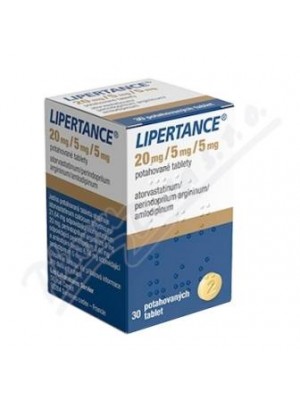
What is Lipertance and what it is used for
Lipertance con..
39.00€