Your shopping cart is empty!
Welcome visitor you can login or create an account.
Lantus 300 IU SOLOSTAR PEN 3 ml
Product Code: Lantus 300 IU SOLOSTAR PEN 3 ml
Availability: In Stock
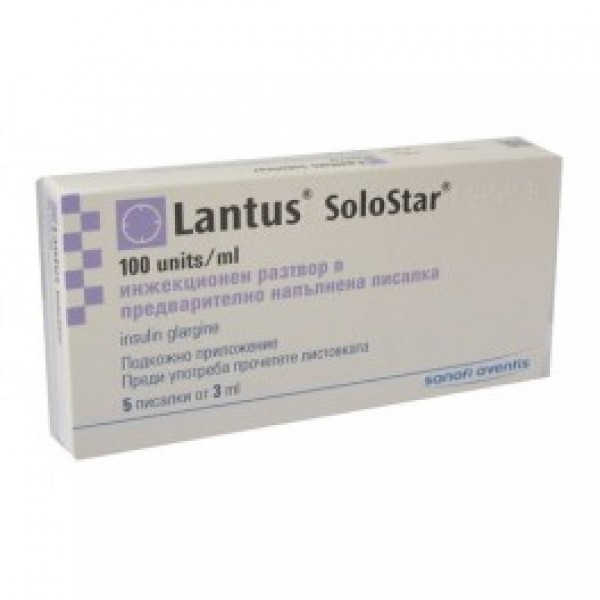
Product viewed: 1454


Lantus 300 IU SOLOSTAR PEN 3 ml
Qualitative and quantitative composition
Each ml contains 100 units insulin glargine (equivalent to 3,64 mg).
Each pen contains 3 ml solution for injection, equivalent to 300 units
Insulin glargine is produced by recombinant DNA technology in Escherichia coli.
CLINICAL DATA
Witness
For the treatment of diabetes mellitus in adults, adolescents and children of 6 years or above, who require treatment with insulin.
Dosage and method of administration
Dosage
Lantus contains insulin glargine, an insulin analogue with prolonged action.
Lantus should be administered once daily at any time, but every day at the same time.
Dosing regimen of Lantus (dosage and time of administration) should be performed
individually. In patients with type 2 diabetes mellitus, Lantus can also be used in
combination with oral antidiabetic agents.
The potency of this medicinal product is expressed in units. These units are
exclusive to Lantus and are not the same as IU or the units used to express the
potency of other insulin analogues. See section 5.1 (Pharmacodynamics).
Polpulatsiya elderly (> 65 years)
In the elderly, progressive deterioration of renal function may
lead to a steady decrease in insulin requirements.
Renal impairment
In patients with renal impairment, insulin requirements may be diminished due
reduced insulin metabolism.
Hepatic Impairment
In patients with hepatic impairment, insulin requirements may be diminished due
reduced capacity for gluconeogenesis and reduced insulin metabolism. 3
Paediatric population
The safety and efficacy of Lantus has been demonstrated in adolescents and children of 6 years.
In children, the efficacy and safety of Lantus have only been demonstrated when given in the evening.
Due to limited experience on the efficacy and safety of Lantus in children under 6
years, Lantus can be used in this age group under careful medical
observation.
Transition from other insulins to Lantus
When changing from a treatment regimen with a median duration of insulin action
or long-acting this to a regimen with Lantus, you may need a change in
basal insulin dose adjustment and the concomitant antidiabetic treatment
(Dose and timing of additional regular insulins or analogues
regular insulin or dose of oral antidiabetic drugs
products).
To reduce the risk of nocturnal and early morning hypoglycaemia, patients who changed
primary treatment with insulin twice daily NPH (Insulin average
duration of action) of Lantus once daily should during the first week
treatment to reduce their daily dose of basal insulin by 20-30%. During the first
weeks the reduction should be at least partly offset by increasing the dose of
insulin at mealtimes, after this period the regimen should be adjusted
individually.
As with other insulin analogues, patients with high insulin doses due
antibody against human insulin may have improved insulin response
the use of Lantus.
During the transition and the first weeks, it is recommended strict metabolic
traking.
With improved metabolic control and resulting increase
insulin sensitivity may require further adjustment
dose regimens. Dose adjustment may also be required, for example, if the weight of
patient or life-style changes, change of timing of insulin
or if other circumstances arise that increase susceptibility to hypo-or
hyperglycemia.
Route of administratio
Lantus is administered subcutaneously.
Lantus should not be administered intravenously. The prolonged effect of Lantus depends
injected into the subcutaneous tissue. Intravenous administration of the usual subcutaneous
dose could result in severe hypoglycemia.
No clinically significant differences in serum insulin or glucose levels
after the administration of Lantus abdominal, deltoid or thigh. Sites
injection sites should be rotated within the same region of injection for each
injetion.
Lantus must not be mixed with any other insulin should not be diluted.
Mixing or diluting can change its time / action profile and
mixing can cause precipitation.
Contraindications
Hypersensitivity to the active substance or to any of the excipients.
Special precautions for use
Lantus is not the insulin of choice for the treatment of diabetic ketoacidosis. Instead, in such
cases recommended intravenous regular insulin.
In case of insufficient glucose control or a tendency to hyper-or hypoglycaemic
episodes,'s adherence to the prescribed treatment regimen patient injection
sites and proper injection technique and all relevant factors before taking account
dose adjustment.
Transferring a patient to another type or brand of insulin should be done
under strict medical supervision. Changes in strength, brand (manufacturer)
type (regular, NPH, lente, long-acting, etc.), origin (animal, human, human
insulin analogue) and / or method of manufacture may result in the need for change
dose.
Insulin administration may cause insulin antibodies. In rare
cases, the presence of such insulin antibodies may necessitate adjustment in dosage
insulin to correct a tendency to hyper-or hypoglycemia
Hypoglycemia
The time of occurrence of hypoglycaemia depends on the action profile of the used
insulin, so it can be changed with a change in the treatment regimen. Due to -
delayed basal insulin supply with Lantus, can expect less nocturnal but
more early morning hypoglycaemia.
Tryavba to pay special attention and recommended intensive monitoring
blood glucose in patients in whom hypoglycaemic episodes might be of particular
clinical relevance, such as patients with significant coronary artery stenosis
or vessels of the brain (risk of cardiac or cerebral complications of hypoglycaemia) as well
and patients with proliferative retinopathy, particularly if not treated with photocoagulation (risk of
transient amaurosis following hypoglycaemia).
Patients should be aware of circumstances where warning symptoms
hypoglycaemia are diminished. The warning symptoms of hypoglycaemia may
be changed, be less pronounced or be absent in certain risk groups. They
patients include:
In whom glycemic control is markedly improved,
In whom hypoglycaemia develops gradually,
Who are elderly,
After transfer from animal insulin to human insulin,
Where there is an autonomic neuropathy
With long-standing diabetes
Suffering from mental illness
Receiving concurrent treatment with certain other medicinal products (see section 4.5).
Such situations may result in severe hypoglycaemia (and possibly loss of consciousness)
before the patient's awareness of hypoglycaemia.
The prolonged effect of subcutaneous insulin glargine may time
recovery from hypoglycemia.
If normal or decreased values for glycated hemoglobin should be
Given the possibility of recurrent, unrecognized (especially nocturnal) episodes of
hypoglycaemia.
Adherence of the patient to the dosage and dietary regimen, correct
insulin and awareness of hypoglycaemia symptoms are essential to reduce
the risk of hypoglycemia. Factors increasing the susceptibility to hypoglycaemia require
particularly close monitoring and may require dose adjustment. They include:
Change in the injection area
Improved insulin sensitivity (eg by removal of stress factors),
Unaccustomed, increased or prolonged physical activity,
Intercurrent illness (eg vomiting, diarrhea)
Inadequate food intake,
Skipping meals,
Alcohol consumption,
Certain uncompensated endocrine disorders (eg in hypothyroidism and in anterior
pituitary or adrenocortical insufficiency)
Concomitant treatment with certain other medicinal products.
Intercurrent illness
Intercurrent illness requires intensive metabolic monitoring. In many cases
shows urine tests for ketones and often necessary to adjust the dose
insulin. Insulin requirement is often increased. Patients with type 1 diabetes must continue
to regularly consume at least a small amount of carbs, even if they are able to
take little or no food, or are vomiting etc., should never be
omit insulin entirely.
Interactions
A number of substances affect glucose metabolism and may require adjustment
dose of human insulin.
Substances that may enhance the blood glucose lowering effect and increase
hypoglycaemia include oral antidiabetic medicines
Angiotensin-converting enzyme (ACE), disopyramide, fibrates, fluoxetine,
monoamine oxidase (MAO) inhibitors, pentoxifylline, propoxyphene, salicylates and
sulphonamides.
Substances that may reduce the blood glucose lowering effect include
corticosteroids, danazol, diazoxide, diuretics, glucagon, isoniazid, oestrogens and
progestogens, phenothiazine derivatives, somatropin, sympathomimetic drugs
products (such as epinephrine [adrenaline], salbutamol, terbutaline), thyroid hormones
atypical antipsychotic agents (napr.klozapin and olanzapine) and protease
inhibitors.
Beta-blockers, clonidine, lithium salts or alcohol may either potentiate or weaken the
blood glucose lowering effect of insulin. Pentamidine may cause
hypoglycaemia, which may sometimes be followed by hyperglycaemia.
In addition, under the influence of sympatholytic medicinal products such as
for example. beta-blockers, clonidine, guanethidine and reserpine, the signs of adrenergic
counter-regulation may be reduced or absent.
Based on data that became available after the first authorization
for use, the Committee for Medicinal Products for Human Use (CHMP) considered that
benefit-risk balance of Lantus remains positive, but believes that his profile
Safety should be closely monitored for the following reasons:
After the publication of four epidemiological studies on cancer risk (of
breast) in the use of insulin glargine in the journal Diabetologia, emerged
considerations on safety of insulin glargine in this regard. At this
now been launched three post-marketing pharmacoepidemiological studies MAH for
ponatatachno study of the possible increased risk of cancer associated with the use of insulin
glargine. These studies is planned to be completed over the next three years.
Based on this and in accordance with Article 14.3 of the EC Regulation (N0) 726/2004, CHMP is
believes that further five-year renewal based on the opinion
Pharmacovigilance.
CHMP decided that the MAH should continue to submit yearly PSURs.
Therefore, based on the safety profile of Lantus, which requires the submission
annual PSUR, CHMP concluded that the MAH should submit an application for an additional
renewal period of five years.
Use during pregnancy and lactation
Pregnancy
For insulin glargine no clinical data from controlled clinical trials are
in pregnant women. Limited amount of data on pregnant women (between 300 -
1000 outcome of pregnancy), exposure to marketed insulin glargine indicate no
side effects of insulin glargine on pregnancy and lack of teratogenicity and
fetal / neonatal toxicity of insulin glargine.
Daniel from studies in animals have shown reproductive toxicity.
If necessary, you should discuss the use of Lantus in pregnancy.
Patients with pre-existing or gestational diabetes, pregnancy diabetes
to maintain good metabolic control throughout pregnancy. During
first trimester, insulin requirements may be reduced and generally increase
During the second and third trimesters. Immediately after delivery, insulin requirements
dramatically decreased (increased risk of hypoglycaemia). Careful monitoring of blood glucose
esential
Breastfeeding
It is unknown whether insulin glargine is excreted in breast milk. No metabolic
effects of ingested insulin glargine on the breastfed newborn / child, since insulin glargine
as petid breaks down into amino acids in the human gastrointestinal tract. Breastfeeding
women may require adjustments in insulin dose and diet.
Fertility
Animal studies do not indicate direct harmful effects with respect to
fertility.
Effects on ability to drive and use machines
The patient's ability to concentrate and react may be impaired as a result of
hypoglycaemia or hyperglycaemia, or as a result of visual impairment. This can
constitute a risk in situations where these abilities are of special importance (eg
driving a car or operating machinery).
Patients should be advised to take precautions to avoid hypoglycaemia while
driving. This is particularly important in those who have reduced or absent awareness of
hypoglycaemia or have frequent episodes of hypoglycaemia.
It should be considered whether it is advisable to drive or operate machinery when
these circumstances.
Adverse reactions
Hypoglycaemia, in general the most frequent undesirable effect of insulin therapy, may
occur if the insulin dose is too high in relation to the insulin requirement. Frequencies:
Very common: Hypoglycaemia
Common: Reactions at the injection site, Lipohypertrophy
Uncommon: Lipoatrophy
Rare: Allergic reactions, visual impairment, retinopathy, edema
Very rare: myalgia, myalgia
Metabolism and nutrition
Severe hypoglycaemic attacks, especially if recurrent, may lead to
neurological damage. Prolonged or severe hypoglycaemic episodes may be
life-threatening.
In many patients, the signs and symptoms of neuroglycopenia are preceded by signs
of adrenergic counter. In general, the greater and more rapid the decline in
blood sugar, the more marked is the phenomenon of counter-regulation and its symptoms.
Immune System
Allergic immediate reactions to insulin are rare. Such reactions to insulin
(Including insulin glargine) or the excipients may, for example, be related to
generalized skin reactions, angioedema, bronchospasm, hypotension and shock, and may be
life-threatening.
Insulin administration may cause insulin antibodies. During
clinical trials, antibodies that cross-react with human insulin and insulin
glargine were observed with similar frequency in both treatment groups with
NPH insulin and insulin glargine in rare cases, the presence of such insulin antibodies may
the dosage of insulin to correct a tendency to hyper-or
hypoglycaemia.
Eye Disorders
A marked change in glycemic control may cause temporary visual impairment,
due to temporary alteration in the turgidity and refractive index of the lens.
Long-term improved glycemic control decreases the risk of progression of diabetic
retinopathy. Intensification of insulin therapy with abrupt improvement in
glycaemia, however, can also lead to temporary worsening of diabetic retinopathy.
In patients with proliferative retinopathy, particularly if not treated with photocoagulation,
severe hypoglycaemic episodes may result in transient amaurosis.
Skin and subcutaneous tissue disorders
As with any insulin therapy, injection site may occur
Local lipodystrophy and insulin absorption is delayed. Continuous rotation of
injection site within the given injection area may help to reduce
or prevent these reactions.
General disorders and administration site conditions
Reactions at the injection site redness, pain, itching, hives, swelling,
or inflammation. Most minor reactions to insulins at the injection site usually
pass a few days to several weeks.
Rarely, insulin may cause sodium retention and edema, particularly if previously poor
metabolic control is improved by intensified insulin therapy.
Paediatric population
In general, the safety profile in children and adolescents (<18 years) is similar to
safety profile in adults.
The adverse reactions obtained from postmarketing surveillance
included relatively more frequent injection site reactions (pain at the injection
location, injection-site reaction) and skin reactions (rash, urticaria) in children and
adolescents (<18 years) than in adults.
No safety data from clinical trials in children under 6 years.
Overdose.
Symptoms
Insulin overdose may lead to severe and sometimes long-term and
life-threatening hypoglycemia.
Mastering
Mild episodes of hypoglycaemia can usually be treated with oral
carbohydrates. May need a dose adjustment of the drug product
diet or physical activity.
More severe episodes with coma, seizure, or neurologic impairment may be treated
intramuscular / subcutaneous glucagon or concentrated intravenous glucose. It may be
necessary Sustained carbohydrate intake and observation because hypoglycaemia may
recur after apparent clinical recovery.
Pharmacological
Pharmacokinetic properties:
In healthy subjects and diabetic patients, insulin serum concentrations indicated a slower and
more prolonged absorption and lack of a peak after subcutaneous injection of insulin
glargine compared with NPH human insulin. Thus, the concentrations are consistent with
time profile of the pharmacodynamic activity of insulin glargine above graph
shows the activity profiles over time of insulin glargine and NPH insulin.
Insulin glargine injected once daily will reach steady state levels in 2-4 days
after the first injection.
With intravenous injection, the half-life of insulin glargine and that of
human insulin are comparable.
In humans, insulin glargine is partly degraded in the subcutaneous tissue at the carboxyl terminus
the Beta chain with formation of active metabolites 21A-Gly-insulin and 21A-Gly-des-30B-
Thr-insulin. In plasma also Unchanged insulin glargine and products
breakdown.
In clinical studies, subgroup analyzes based on age and sex showed no differences
regarding safety and efficacy in patients treated with insulin glargine and
entire study population.
Paediatric population
There is no specific pharmacokinetic study conducted in children or adolescents.
Pharmacodynamic properties:
Pharmacotherapeutic group: Drugs used in diabetes. Insulins and analogues for injection, long-acting.
ATC code: A10AE04
Insulin glargine is a human insulin analogue with low solubility at neutral pH.
In acidic Lantus injection solution (pH 4) is soluble. After injection into
subcutaneous tissue, the acidic solution is neutralized leading to formation of
micro-which constantly released small amounts of insulin glargine
providing a smooth, without peaks, predictable concentration / time profile with extended
duration.
Insulin receptor binding: Insulin glargine is very similar to human insulin
on the kinetics of insulin receptor binding. Therefore, it is assumed that by
Insulin receptors mediate the same type of effect as insulin.
The primary activity of insulin, including insulin glargine, is regulation
glucose metabolism. Insulin and its analogues lower blood glucose levels by
stimulating peripheral glucose uptake, especially by skeletal muscle and
fat, and by inhibiting hepatic glucose production. Insulin inhibits
lipolysis in the adipocyte, inhibits proteolysis and enhances protein synthesis.
The prolonged effect of subcutaneous insulin glargine is directly linked to the
slower rate of absorption and supports once daily administration. Time
action of insulin and insulin analogues such. Insulin glargine can significantly
vary in different individuals or within the same individual.
Preclinical safety data
Preclinical data reveal no special hazard for humans based on conventional
pharmacology, repeated dose toxicity,
genotoxicity, carcinogenicity, and reproductive toxicity.
PHARMACEUTICAL PARTICULARS
List of excipients and their amounts
Zinc chloride
m-cresol
glycerol,
hydrochloric acid,
sodium hydroxide
water for injections.
Incompatibilities
This medicinal product must not be mixed with other medicinal products. It is important to
ensure that syringes do not contain traces of any other material.
Expiration date
2 years. Shelf life after first use of the vial medicinal product can be stored for a maximum of 4 weeks not above 25 ° C and away from direct heat or direct sunlight. Keep the vial in the outer carton to protect from light. It is recommended that the date of first use be noted on the label.
Special precautions for storage
Unopened vials
Store in a refrigerator (2 ° C - 8 ° C).
Do not freeze.
Lantus not place near the freezer compartment or a freezer pack.
Keep the vial in the outer carton to protect from light.
Write a review
Your Name:Your Review: Note: HTML is not translated!
Rating: Bad Good
Enter the code in the box below:
Related Products
Quick Humalog Mix50 Pen 300 IUQuick Humalog Mix50 Pen 300 IU..
169.00€
LANTUS SOLOSTAR PEN 300 IU 3 ml. 5 pen Qualitative and quan..
119.00€