Your shopping cart is empty!
Welcome visitor you can login or create an account.
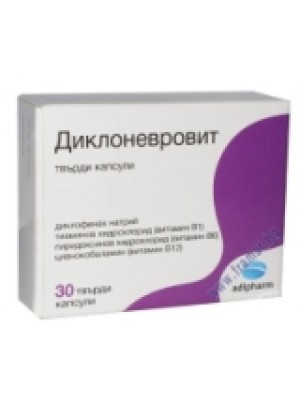
GEROVIT 30 capsules
Product Code: GEROVIT 30 capsules
Availability: In Stock

Product viewed: 2737


What is Gerovit and what it is used for
GEROVIT contains a combination of the active substances diclofenac sodium and vitamins B1, B6 and B12.
Diclofenac belongs to the group of so-called non-steroidal anti-inflammatory drugs (NSAIDs).
Diclofenac works by reducing inflammation, relieving pain and lowering fever.
Like all vitamins, vitamins in this combination require nutrients that can not be produced by the body.
In the treatment of diseases of the nervous system, the group B vitamins act to compensate for the disease-related deficiency of group B vitamins.
GEROVIT Capsules are used to treat:
pain conditions resulting from inflammation not related to rheumatism;
inflammatory forms of rheumatism;
degenerative symptoms of the locomotive apparatus including inflammation;
nerve pain, e.g. in the area of the neck and shoulders, lumbar pain (low in the waist) or inflammation of the sciatic nerve.
2. What you need to know before accepting Gerovit
Do not take Gerovit
if you are allergic to diclofenac, thiamine (vitamin B1), pyridoxine (vitamin B6) or cyanocobalamin (vitamin B12) or to any of the other ingredients of this medicine (listed in section 6);
if you have had an allergic reaction such as an asthma attack, sudden onset of rash or rash after taking acetylsalicylic acid or other medicines for pain or rheumatism or if you have asthma and these medicines have caused or worsened acutely breathing difficulties;
if you have gastric or duodenal (peptic) ulcers, gastrointestinal bleeding or perforation;
if you have recurrent (repeated) stomach ulcers or bleeding (two or more cases of gastric or peptic ulcer in the past);
if you have had stomach or intestinal bleeding or perforation after receiving NSAIDs for pain or rheumatic diseases;
if you have a blood disorder (hemorrhagic disorder, bone marrow disorder, red blood pigmentation disorder, increased bleeding tendency or bleeding disorder);
if you have a heart attack and / or a cerebrovascular disorder, for example if you have already had a heart attack or stroke, or if you have heart failure, blockage of heart or brain blood vessels or surgery to remove such blockage or bypass surgery;
if you have blood circulation problems that restrict the movement of blood to your extremities (peripheral arterial occlusive disease, PAHD);
if you have or have had a cerebral haemorrhage;
if you currently have a blood clotting disorder;
if you have a severe liver or kidney function disorder;
if you are in the last trimester of pregnancy (see section 2, Pregnancy, breast-feeding and fertility);
in children and adolescents (under 18 years of age).
Warnings and precautions
Talk to your doctor before taking GEROVIT
if you have diabetes;
if you suffer from angina, have blood clots, high blood pressure, high cholesterol or triglycerides in the blood.
Special attention is required:
if you are pregnant, between the first and the sixth month or if you are breast-feeding (see section 2, Pregnancy, breast-feeding and fertility). It is not recommended to take diclofenac, the active ingredient of Gerovith during the first 6 months of pregnancy and while you are breast-feeding. Do not take diclofenac during the last 3 months of pregnancy;
if you have a disease called porphyria induced (a definite red cell red pigmentation disorder). You should be particularly careful when taking Gerovith as your illness may get worse;
if you are elderly (over 65 years of age). Ask your doctor to check that you are taking the lowest dose of Gerovith for as short a time as the possibility of side effects increases with higher doses or long-term treatment, and some side effects may be heavier in older people (see paragraph 3);
if you have a history of stomach or intestinal problems. There have been reports of haemorrhage in the gastrointestinal tract, ulcers and perforation - sometimes even fatal for all NSAIDs. These reactions occur at any time of treatment, with or without warning symptoms or a history of serious gastrointestinal reactions.
The risk of gastrointestinal haemorrhage, ulceration or perforation is greater with increasing NSAID doses in patients with a history of ulcers, particularly complicated by bleeding or perforation (see section 2, Do not take Gerovith), and in the elderly. These patients should start treatment with the lowest dose available. In these cases, your doctor may prescribe additional treatment with a medicine that protects the stomach lining. This is also recommended if you are already taking a low dose of acetylsalicylic acid (ACA) to "dilute" your blood.
If you have a history of stomach or intestinal problems like side effects, especially if you are elderly, you should tell your doctor if you notice any abnormal symptoms in the gastrointestinal tract (particularly bleeding), especially at the beginning of treatment. Take special care if you are also taking medicines that may increase the risk of ulcers or haemorrhage, such as steroids, anticoagulants (medicines to "thin" the blood) or certain anti-depression medicines (selective serotonin reuptake inhibitors) (see also 2, Other Drugs and Gerovith).
If you experience gastrointestinal haemorrhage or ulcers during the use of Gerovith, treatment should be discontinued immediately. NSAIDs should be used with caution in patients with a history of inflammatory gastrointestinal disease (ulcerative colitis, Crohn's disease) as their condition may deteriorate (see section 4);
if you have problems with your liver function. Using diclofenac may cause your liver function to deteriorate. Therefore, you should tell your doctor about any liver disease you may have or have had in the past. Carefully follow the instructions of your doctor about any studies or examinations that need to be made. In very rare cases, hepatitis (inflammation of the liver) has also been reported. Take care for any signs of liver disease such as worsening of your general condition, fatigue, loss of appetite, and contact your doctor immediately if any of them occurs;
if you have kidney or cardiac problems, or if you have high blood pressure. Your body may accumulate more fluids (resulting, for example, from swelling or sudden weight gain), which may lead to increased blood pressure and / or increased stress on your heart;
if you need to be subjected to an operation. If you are taking diclofenac, you should consult a doctor or a dentist before any surgical intervention. Diclofenac may temporarily inhibit platelet aggregation and thus prevent blood clotting. Because some blood counts may change, after a large operation diclofenac should be used under close medical supervision;
if you have a heart attack, narrowing of the vessels, diabetes, brain disorder, increased levels of lipids in the blood (cholesterol) or if you smoke. Medicines such as diclofenac may be associated with a slightly increased risk of a heart attack (myocardial infarction) or stroke. Any risk is more likely at high doses and prolonged treatment. Do not exceed the recommended dose or duration of treatment. If you have heart problems, a previous stroke or think you may be at risk from these conditions (for example, if you have high blood pressure, diabetes or high cholesterol or are a smoker) you should discuss your treatment with your doctor or pharmacist;
if you notice any skin symptoms during treatment with Gerovith. Very rare cases of severe blistering or scaling of the skin, usually during the first month of treatment, occur during the use of NSAIDs such as diclofenac. If you notice rash or ulcers in the skin or mucous membranes (for example, in the mouth), you should contact a doctor immediately;
if you have systemic lupus erythematosus (lupus) or mixed connective tissue disease (these are disorders of the immune system). In patients with these underlying conditions, symptoms of meningitis (neck cramp, headache, nausea, vomiting, fever and blurred consciousness) are very rarely seen during treatment with NSAIDs such as diclofenac;
if you suffer from epilepsy, parkinsonism or severe mental disabilities.
If you have unusual sensations in the arms (from the wrists to the shoulders) or legs (as possible signs of a nerve disorder called peripheral sensory neuropathy), you should immediately stop taking Gerovith. This type of nerve damage has been observed in patients receiving high doses of vitamin B6 (more than 50 mg daily) for a long time (more than 6 to 12 months).
General Council
The use of diclofenac with other NSAIDs (including so-called COX-2 inhibitors) should be avoided.
The risk of side effects can be reduced if you take the lowest effective dose of diclofenac for the shortest time necessary to experience improvement in the symptoms.
Hypersensitivity reactions
At the first signs of allergic reactions such as swelling of the face, swelling of the airways (eg throat swelling), difficulty breathing, asthma, rapid heartbeat, skin reactions (eg itching, redness, rash, urticaria) and / you should stop using the medicine that is believed to cause these reactions and contact your doctor immediately.
Patients with asthma, allergic rhinitis (eg hay fever), swelling of the nasal mucosa (eg polyps in the nose) or some chronic respiratory diseases associated with difficulty in breathing are more likely to experience allergic NSAID reactions than others patients. However, such reactions may occur without a history of such problems.
Treatment of pain conditions and accompanying illnesses
If your general condition does not improve during treatment with diclofenac or if you continue to suffer from pain, fever, fatigue or other symptoms, talk to your doctor. As they alleviate pain and reduce inflammation, pain medications can mask potential warning signs of another illness. You may need additional treatment other than pain relief.
Headache caused by painkillers
If painkillers are used for a long time, this can cause a headache that should not be treated with increasing doses of these medicines. Ask your doctor if you have a frequent headache although you are taking Gerovith.
Kidney problems due to the use of painkillers
Regular use of some painkillers for a prolonged period can lead to permanent renal impairment and risk of kidney failure.
If any of the above applies to you or was related to you in the past, please discuss this with your doctor.
Laboratory researches
Your doctor may tell you to do a blood test, blood clotting, renal and hepatic function and possibly other studies (eg, levels of some medicines in your blood) - always check to see if you have done all this as directed by your doctor.
With daily doses higher than 50 mg of vitamin B6 over a long period of time or over 1 g of vitamin B6 per day, feelings of bruising or numbness of the hands or feet (signs of peripheral sensory neuropathy or paresthesia). If you notice a feeling of tingling or tingling or other side effects, contact your doctor who will check the dose and tell you if you need to stop the medicine.
Other Drugs and Gerovit
Tell your doctor or pharmacist if you are taking, have recently taken or might take any other medicines. It is especially important to tell your doctor if you are taking any of the following medicines:
Using diclofenac together with: The following side effects are possible:
Other painkillers and antirheumatic drugs ("NSAIDs") Increased adverse reactions (uncommon combination)
Acetylsalicylic acid ("aspirin" medicine for the treatment of pain and inflammation) Increased risk of gastrointestinal damage (a recommended combination)
Cardiac glycosides ("digitalis" - used to treat heart problems) Possible enhancement of effect - appropriate examinations are recommended and, where appropriate, dose adjustments of glycosides
Some medicines used to treat infections (quinolones) Seizures have been reported (a non-recommended combination)
Some medicines used to treat viral infections such as HIV (zidovudine) Increased risk of blood changes
"Cortisol" Increased risk of gastrointestinal ulcers or hemorrhage
Anticoagulants, Drugs "Diluting" Blood Increased Risk of Gastrointestinal Bleeding
Phenytoin (used to treat some disorders of the central nervous system) Possible increase in phenytoin levels in the blood - appropriate examinations are recommended and, where appropriate, dose adjustments
Some anti-depression medications (serotonin reuptake inhibitors (SSRIs)) Increased risk of gastrointestinal haemorrhage
Modlubemide (used to treat depression) Increased effect of diclofenac
Lithium (used to treat depression) Increased lithium effect - it is recommended to review and, where necessary, adjust the dose
Some medicines affecting hepatic function (eg the antimycotic substance variconezole) Increased levels of diclofenac in the blood as a result of inhibition of metabolism (dose reduction and follow-up is recommended)
Gout medications Delayed release of diclofenac from the body
Diuretics ("dehydrated tablets") Possible reduction in the effect and risk of blood component impairment, possibility of renal impairment (sufficient fluid intake and blood pressure monitoring required)
Medicines to reduce blood pressure
Trimethoprim (used, for example, against infections) Possible increases in blood potassium levels (follow-up is recommended)
Diabetic medications Various blood glucose levels may occur (more frequent blood glucose monitoring is recommended)
Vitamin B1 loses its effect if 5-fluorouranil (a drug for the treatment of tumors) is taken together with the cytostatics.
Antacids (against heartburn) reduce vitamin B1 absorption. Prolonged treatment with some detoxifying tablets (diuretics) such as furosemide can cause vitamin B1 loss because higher amounts of vitamin B1 are excreted in the urine.
If administered concomitantly with L-dopa (a medicine to treat Parkinson's disease), vitamin B6 may reduce the efficacy of L-dopa.
If medicines that act against vitamin B6 (so-called pyridoxine antagonists such as isoniazid, hydralazine, cycloserine or D-penicillamine) are taken with Gerovith, the need for vitamin B6 may increase.
Gerovith with drinks and alcohol
Drinking alcoholic drinks during treatment with diclofenac increases the risk of bleeding in the gastrointestinal tract and should therefore be avoided.
Absorption of vitamin B1 is reduced by alcohol and tea.
When taken together with sulphite containing beverages (eg wine), vitamin B1 can break down too quickly and thus lose its effect.
Pregnancy, breastfeeding and fertility
If you are pregnant or breast-feeding, think you may be pregnant or plan to become pregnant, talk to your doctor before taking this medicine.
Pregnancy
The daily amounts of vitamins B1, B6 and B12 that are recommended to be taken during pregnancy are exceeded by the amounts contained in Gerovite and should therefore not be used.
During the first and second trimesters of pregnancy, diclofenac may be taken if your doctor thinks it is absolutely necessary. However, it should be used as soon as possible and at the lowest dose.
During the last 3 months of pregnancy, diclofenac should not be used due to the risk of damaging the baby's blood circulation and the risk of delayed or prolonged delivery and increased bleeding during delivery.
Breastfeeding
Small quantities of the active substance diclofenac pass into breast milk. Although negative effects on the baby are not known, breast-feeding should be temporarily discontinued in case of short-term use of this substance. If longer use or higher doses are required, breast-feeding should be stopped altogether.
Vitamins B1, B6 and B12 pass into breast milk. High doses of vitamin B6 can reduce milk production. Therefore, Gerovith should not be used during breast-feeding.
Fertility
Like other NSAIDs, diclofenac may affect female fertility and is therefore not recommended for women planning a pregnancy. In women who have problems getting pregnant or who should be examined for possible infertility, diclofenac should be considered.
Driving and using machines
This medicine may disrupt reactivity and driving ability.
Gerovita has little or no effect on the ability to drive and use machines. However, if you experience side effects such as impaired vision, dizziness or fatigue, you should avoid any activity requiring a high level of concentration (eg driving, using machines and dangerous instruments).
3. How to take Gerovith
Always take this medicine exactly as your doctor has told you. If you are not sure, ask your doctor or pharmacist.
Because the dose depends on the type and severity of the disease, you should carefully follow the instructions of your doctor.
Unless your doctor advised you otherwise, the lowest dose should be used for as short a time as possible. The total daily dose is usually divided into two or three separate doses.
The recommended dose is:
Adults (18 years and older)
The maximum dose of 3 capsules (150 mg diclofenac sodium) per day should not be exceeded.
At the beginning of treatment, a therapeutic dose of 2 to 3 capsules (100 to 150 mg diclofenac sodium) is recommended daily. In lighter cases or for longer treatment usually 1 to 2 capsules (50 to 100 mg daily) are sufficient.
Patients with impaired renal function
No specific dose recommendations have been studied. Diclofenac should not be used in patients with severe renal impairment (see section 2).
Patients with impaired hepatic function
No specific dose recommendations have been studied. Diclofenac should not be used in patients with severe hepatic impairment (see section 2).
Elderly (over 65 years)
Elderly patients should pay particular attention to the possibility of concomitant illness or low body weight. In particular, it is recommended that elderly and lower-than-normal subjects use the lowest effective dose (see section 2).
Use in children and adolescents
Because of the high content of B vitamins, Gerovith should not be used by children and adolescents (under 18 years of age).
Mode of application
It is taken by mouth.
Take the capsules whole without chewing them with enough liquid before a meal.
If you take more than the necessary dose of Gerovith
Contact your doctor or hospital department if you take too much of the necessary dose of Gerovite capsules.
Symptoms of overdose
Overdose can cause nervous system disorders with symptoms such as headache, dizziness, drowsiness, loss of consciousness or convulsions. In addition, tinnitus (tinnitus), abdominal pain, nausea and vomiting may occur. Gastrointestinal haemorrhage, impaired hepatic or renal function, low blood pressure, breathing problems, and bloating of the skin due to oxygen deficiency are also possible. If you suspect overdose, contact a doctor immediately to decide what measures to take depending on the severity of the intoxication.
Advice for medical professionals
More information about overdose with diclofenac can be found at the end of this leaflet.
If you forget to accept Gerovith
Do not take a double dose to make up for the missed dose. Continue with the next dose as prescribed.
If you have any further questions on the use of this medicine, ask your doctor or pharmacist.
4. Possible side effects
Like all medicines, this medicine can cause side effects, although not everyone gets them.
Side effects can be minimized if you take the lowest effective dose in the shortest possible time.
Stop taking Gerovith and contact your doctor immediately if you notice any of the following symptoms:
pain in the abdomen or stomach, heartburn;
vomiting of blood, black or bloody stools, blood in the urine;
skin reactions such as rash or itching;
breathing problems, shortness of breath, swelling affecting the head or neck;
yellowing of white eyes or skin;
pronounced fatigue and lack of appetite;
persistent sore throat, mouth lesions, fatigue or fever;
bleeding from the nose and skin;
swelling of the face, feet or feet;
decreased urine output, along with marked fatigue;
severe headache with stiff neck;
chest pain;
blurred consciousness.
The following side effects have been reported with short or extended use of diclofenac:
Very common (occurring in more than 1 in 10 people taking diclofenac):
nausea, vomiting, diarrhea.
Common (occurring in between 1 and 10 in 100 people taking diclofenac):
allergic skin reactions (rash, pruritus);
headache, dizziness, agitation or fatigue, drowsiness;
stomach upset, abdominal pain, flatulence (gas), lack of appetite;
impaired liver function (elevated liver function values);
rash.
Uncommon (occurring in 1 to 10 in 1,000 people taking diclofenac):
accumulation of fluid in parts of the body (edema), especially in patients with high blood pressure or impaired kidney function.
Rare (occurring in 1 to 10 users in 10,000 taking diclofenac):
asthma (including breathing problems);
inflammation of the lining of the stomach (gastritis), vomiting of blood, haemorrhage in the gastrointestinal tract, bloody stools (indicating black coloring), ulcers (with or without hemorrhage or rupture);
acute hepatitis with or without jaundice, hepatic impairment (ranging from less severe to more severe);
urticaria (sudden rash with pruritus).
Very rare (occurring in more than 1 in 10,000 people taking diclofenac):
Worsening of inflammation associated with infection is described around the time of use of NSAIDs - this may be related to the mode of action of NSAIDs;
anemia due to destruction of red blood cells, blood disorders with reduced number of some or all of the blood cells (platelets, erythrocytes and / or leukocytes);
severe common allergic reactions with swelling of the face, tongue and / or the airways accompanied by difficulty in breathing, rapid heartbeat, blood pressure drop and symptoms of a shock condition;
sensory and taste disturbances, memory problems, confusion, convulsions, inflammation of the brain membranes (meningitis, symptoms: neck stiffness, headache, nausea, vomiting, fever, consciousness), irritability;
unusual changes in perception and thinking, depression, agitation, nightmares;
impaired vision (blurred vision, double vision);
temporary hearing problems, noise / ringing in the ears;
heart failure, myocardial infarction, palpitation;
high blood pressure, allergic inflammation of the blood vessels;
allergic inflammation of the lungs;
inflammation of the small intestine (with bleeding / deterioration of colitis with associated ulcers), constipation, inflammation and lesions of the lining of the oral cavity and esophagus, inflammation of the tongue, narrowing of the intestine
5. How to store Gerovit
Store below 25 ° C.
Store in the original package in order to protect from light and moisture.
Keep out of the reach and sight of children.
Do not use this medicine after the expiry date which is stated on the carton and the blister. The expiry date refers to the last day of that month.
Do not dispose of medicines in the sewage system or in the household waste container. Ask your pharmacist how to dispose of medicines you no longer use. These measures will help to protect the environment.
6. Package Contents and Additional Information
What contains Gerovite capsules
The active substances are diclofenac sodium, thiamin hydrochloride (vitamin B1), pyridoxine hydrochloride (vitamin B6) and cyanocobalamin (vitamin B12).
One capsule contains 50 mg of diclofenac sodium, 50 mg of thiamine hydrochloride (vitamin B1), 50 mg of pyridoxine hydrochloride (vitamin B6) and 0.25 mg of cyanocobalamin (vitamin B12).
The other ingredients are povidone, methacrylic acid-ethyl acrylate copolymer (1: 1), triethyl citrate, talc, iron oxide, red (E172), iron oxide, yellow (E172), titanium dioxide (E171).
What the Gerovit capsules look like and what the package contains
Gerovite capsules are beige with reddish brown caps.
Types of packaging: blister packs of 30 and 50 capsules.
Not all pack sizes may be marketed.
Write a review
Your Name:Your Review: Note: HTML is not translated!
Rating: Bad Good
Enter the code in the box below:
Related Products

Diclofenac. table. 50mg. 30 tablets Diclofenac WHAT IS AND W..
29.00€

Diclofenac Duo 75 mg. 30 capsulesWHAT Diclofenac DUO AND WHA..
18.00€