Your shopping cart is empty!
Welcome visitor you can login or create an account.
Dicloneurovit 30 capsules

Product viewed: 3723


What is DICLONEUROVIT and what it is used for
DICLONEUROVIT is a combined drug containing diclofenac sodium and three vitamins from group B - B1, B6 and B12. DICLONEUROVIT belongs to the group of non-steroidal anti-inflammatory drugs (NSAIDs). It has anti-inflammatory and analgesic action. Group B vitamins help the normal functioning of the nervous system and increase the effect of diclofenac.
DICLONEUROVIT capsules have been prescribed by your doctor for any of the following conditions:
Chronic polyarthritis;
Ankylosing spondylitis (Behterev's disease);
Osteoarthritis;
Spondylarthrosis;
Neuralgia (cervical syndrome, lumbago, sciatica).
2. What you need to know before you take DICLONEUROVIT
Follow the instructions given to you by your doctor.
Do not take Diklonineurov if any of the following applies to you:
Hypersensitivity to diclofenac or to thiamine (vitamin B1) or to pyridoxine (vitamin B6) or to cyanocobalamin (vitamin B12) or to any of the excipients listed in section 6.1;
Patients who have experienced hypersensitivity (asthma, angioedema, urticaria or acute rhinitis) to ibuprofen, aspirin or other NSAIDs;
As with other non-steroidal anti-inflammatory drugs (NSAIDs), diclofenac is contraindicated in patients where administration of acetylsalicylic acid or other NSAIDs has triggered or augmented asthma, urticaria or acute rhinitis;
Active gastric or intestinal ulcers, bleeding or perforation;
Recurrent peptic ulcer or bleeding (if you previously had two or more episodes of proven ulcer or bleeding);
Gastrointestinal bleeding or perforation - caused by treatment with NSAIDs;
Hematological diseases (e.g., blood disorders, bone marrow damage, porphyria, haemorrhagic diathesis);
Cerebrovascular haemorrhage;
Acute severe bleeding;
Severe hepatic, severe renal or severe heart failure (see Warnings and Precautions);
In the third trimester of pregnancy (see Pregnancy, breast-feeding and fertility);
Children and adolescents under 18 years of age (due to the high content of Group B vitamins).
Warnings and precautions
Tell your doctor before you start taking this medicine if you have or have had any health problems, especially if one of the following applies to you:
If you are in the first 6 months of pregnancy or are breast-feeding (see section 2, Pregnancy, breast-feeding and fertility). The use of diclofenac is not recommended during the first two thirds of pregnancy and during breast-feeding. In the last 3 months of pregnancy diclofenac is contraindicated;
If you have an increased tendency to bleeding or other blood disease, including porphyria;
If you are older (over 65 years old), just follow the prescribed dose and carefully watch for side effects, informing your doctor immediately. The effects of the drug may be more pronounced (see section 3);
If you have or have ever had gastrointestinal problems such as stomach ulcer, bleeding or black stool, or stomach discomfort or heartburn after receiving non-steroidal anti-inflammatory medicines. If you, especially if you are older, have experienced undesirable effects on the gastrointestinal tract, you should report strictly all abnormal abdominal symptoms (especially gastrointestinal bleeding), especially at the beginning of therapy. Caution is advised if you take concomitant medications that may increase the risk of ulcer or bleeding, such as cortisone, anticoagulant medications, some medicines to treat depressed mood (see also section 2, "Other medicines" and DICLONEUROVIT
If you have inflammatory bowel disease (ulcerative colitis) or small intestine (Crohn's disease), as their condition can be exacerbated (see section 4);
If you have or have had a liver disease. Take careful care for side effects such as fatigue, loss of appetite, worsening of your general condition, and tell your doctor if you get them;
If you have kidney failure, heart failure or high blood pressure. You are likely to retain water in the body (eg swelling or sudden weight gain), which may cause increased blood pressure and / or additional heart load;
In surgical procedures. Tell your doctor or dentist if you are going to have surgery. Diclofenac may affect blood clotting. The use of diclofenac after a major operation should only be under medical supervision;
If you have heart disease, blood vessel narrowing, diabetes, stroke or high cholesterol, or you are a smoker. The use of medicines such as Dyskineurovine may be associated with a slightly increased risk of a heart attack (myocardial infarction) or stroke. Risk is more likely at high doses and prolonged treatment. Do not exceed the recommended doses and duration of treatment. If you have or have had heart problems, have suffered a heart attack or think you are at risk for these conditions (eg you have high blood pressure, have problems with blood circulation, diabetes, high cholesterol, or are a smoker) , You should discuss your treatment with your doctor or pharmacist;
If you notice skin symptoms during treatment. When using non-steroidal anti-inflammatory drugs such as diclofenac, very serious skin reactions with blistering and peeling are possible in very rare cases, especially during the first month of treatment. If you notice rash or ulcers in the skin or mucous membranes (eg in the mouth), contact your doctor immediately;
If you suffer from systemic lupus erythematosus or connective tissue disease (disorders of the immune system). Nonsteroidal anti-inflammatory drugs, such as diclofenac, have reported symptoms of aseptic meningitis (neck cramp, headache, nausea, vomiting, fever and blurred consciousness;
If you suffer from epilepsy, Parkinson's disease or severe mental illness.
If unusual sensations in the hands or feet (peripheral sensory neuropathy) occur, it is necessary to discontinue Dyskineurovitis. Such nerve damage has been reported with prolonged use (6-12 months) of vitamin B6 in daily doses above 50 mg.
General information
Co-administration of diclofenac with other non-steroidal anti-inflammatory drugs, including so-called COX-2 inhibitors, should be avoided.
Adverse reactions can be reduced by using the lowest effective dose administered for the shortest time needed to improve the symptoms.
Hypersensitivity reactions
In the first hypersensitivity reactions such as swelling of the face, swelling of the airways (eg laryngeal swelling), dyspnea, asthma, palpitations, skin reactions (eg itching, redness, rash, urticaria) and / Stop taking the medicine and contact your doctor immediately.
Patients with asthma, allergic rhinitis (such as hay fever), edema of the nasal mucosa (for example, nasal polyps), some chronic respiratory airway disorders, are likely to experience hypersensitivity reactions to NSAIDs that are more frequent, Than in other patients. However, such reactions may occur, although the drug has not been administered before.
Treatment of pain and concomitant illness
If during treatment with diclofenac your overall condition does not improve significantly and you continue to experience pain, fever, fatigue or other signs of illness please contact your doctor immediately. Using painkillers can mask the symptoms of a disease as a result of diclofenac - relieving pain and suppressing inflammation. You may need additional therapy other than analgesia.
Headache from painkillers
With prolonged use of painkillers, a headache can occur that can not be treated with increased doses of the drug. Ask your doctor if you often suffer from a headache despite the use of DICLONEUROVIT
Renal impairment caused by painkillers
The usual use of some painkillers for long periods of time can cause permanent damage to the kidneys at risk of kidney failure.
If any of the above applies to you, or it has been treated for you, please discuss it with your doctor.
Laboratory researches
Your blood tests, blood clotting, hepatic and renal function as well as any other control tests (for example, blood-leveling of some medicines) prescribed by your doctor should be performed.
With long-term intake of Vitamin B6 at high doses of 50 mg and short-term doses higher than 1 g Vitamin B6, tingling and numbness of the hands and feet (signs of peripheral sensory neuropathy or paraesthesia) have been observed. If you notice tingling or numbness, contact your doctor. Your doctor will check your dose or advise you to stop taking the medicine if necessary.
Children and adolescents
Diclo-vivo hard capsules do not apply to children and adolescents under the age of 18 years.
Other Drugs and DICLONOVER
Some medicines may have an effect on other medicines. Please tell your doctor or pharmacist if you are taking any other medicines, have recently taken or are planning to take other medicines.
Be sure to tell your doctor if you are taking any of the following medicines:
Other analgesic or anti-rheumatic drugs ("NSAIDs") - when administered concomitantly with diclofenac, may lead to an increase in adverse drug reactions (the combination is not recommended);
Acetylsalicylic acid (analgesic and anti-inflammatory drugs) - increased risk of gastrointestinal disorders (combination not recommended);
Digitalis (certain medicines for heart failure) - concomitant use of diclofenac may potentiate their effects. Dose adjustment of digitalis is recommended, if appropriate;
Some medicines to treat various infections (quinolones) - Muscle cramps (a combination not recommended) are reported;
Some medicines for treating viral infections, such as HIV (zidovudine), increase the risk of a change in blood counts;
Cortisone, concomitant administration of diclofenac may increase the risk of bleeding or gastrointestinal disorders;
Anticoagulants, medicines used to reduce blood clotting (warfarin) - may increase the risk of gastrointestinal disorders;
Phenytoin (a medicine used to treat some diseases of the central nervous system) - Phenytoin levels may increase with concomitant administration - appropriate control and, if appropriate, dose adjustment are recommended;
Some medicines to treat anxiety or depression (selective serotonin reuptake inhibitors) - increase the risk of gastrointestinal disorders;
Modlubemide (used to treat depression) may increase the effect of diclofenac;
Lithium (a medicine used to treat depression) may enhance the lithium effect - blood pressure control is recommended and, if appropriate, dose adjustment;
Some medications with effects on liver function (eg fungal agents - voriconazole). Concurrent administration may lead to an increase in diclofenac in the blood by inhibiting its degradation (dose monitoring and dose reduction is recommended);
Blood pressure lowering drugs - concomitant administration of diclofenac reduces the effect of these medicines (blood pressure monitoring is recommended);
Methotrexate (a medicine used to treat cancer or arthritis) - Administration of diclofenac less than 24 hours before or after treatment with methotrexate may result in elevated blood levels of methotrexate and an increase in side effects of this substance. (The combination should be avoided - alternatively, strict blood count, hepatic and renal function is recommended);
Drugs for gout treatment delay excretion of diclofenac;
Medicines designed to prevent high blood pressure (diuretics) may have a reduced effect when co-administered, risk of kidney damage (adequate fluid intake, control of blood pressure);
Ciclosporin (a medicine used to suppress immune reactions) - increase the risk of gastrointestinal disorders, kidney or liver damage (avoid the combination or use a low dose of diclofenac, monitoring of liver and kidney function);
Tacrolimus (a medicine for transplants). In concomitant use, there is an increased risk of renal impairment (Avoid combination);
Cholestyramine, colestipol (medicines to lower cholesterol levels in the blood) - delay or decrease the absorption of diclofenac. It is recommended that diclofenac should be taken 1 hour before or 4-6 hours after the administration of these medicines;
Trimethoprim (eg anti-infectives) - may increase the risk of hyperkalaemia (monitoring of potassium levels is recommended);
Medicines used to treat diabetes. Blood sugar fluctuations are possible (blood glucose monitoring is recommended).
Concomitant administration of Vitamin B1 with 5-fluorouracil (a medicine to treat cancer) leads to inactivation of Vitamin B1.
Gastrointestinal inhibitors (antacids) reduce the absorption of Vitamin B1.
Long-term treatment with some diuretics, such as Furosemide, may cause a vitamin B1 deficiency, as urine excretion increases.
Concomitant administration of Vitamin B6 with L-dopa (a medicine to treat Parkinson's disease) leads to a decrease in the effect of the drug.
Concomitant administration of vitamin B6 with pyridoxine antagonists (eg isoniazid, hydralazine, D-penicillamine or cycloserine) leads to an increased need for vitamin B6.
DICLONOVER with food, beverages and alcohol
The use of alcohol during treatment with diclofenac increases the risk of gastrointestinal bleeding. The combination should be avoided.
Alcohol and black tea reduce Vitamin B1 absorption.
Sulfite-stabilized beverages (such as wine) can make Vitamin B1 ineffective.
Pregnancy, breastfeeding and fertility
If you are pregnant or breast-feeding, or if you suspect that you may be pregnant or planning to become pregnant, ask your doctor or pharmacist for advice before taking this medicine.
Pregnancy
The recommended daily intake of vitamins B, B6 and B12 is higher in Diclo-neuron, so its use is not recommended.
In the first two thirds of pregnancy, if it is absolutely necessary and your doctor has prescribed it, diclofenac can be given as soon as possible and at the lowest possible dose. Diclofenac can not be administered during the last 3 months of pregnancy. There is a risk of childhood circulatory disorders and the risk of delayed and prolonged labor, as well as an increased risk of bleeding during labor.
Breastfeeding
The active ingredient diclofenac passes into breast milk in small amounts. Although no adverse effects on the newborn have been reported with diclofenac for a short period of time, it is recommended that breast-feeding is discontinued. If prolonged use or administration of higher doses is required, breast-feeding should be discontinued to avoid adverse effects on the infant.
Vitamins B1 and B6 are excreted in breast milk. High doses of vitamin B6 can suppress milk production. Therefore, the use of Dyskineurovid is not recommended during breast-feeding.
Women of childbearing potential
Diclofenac, like other NSAIDs, can impair the fertility of the woman, so it is not recommended for women trying to get pregnant.
In women experiencing convalescence or conducting infertility studies, discontinuation of diclofenac therapy should be considered.
Driving and using machines
Caution: This medicine may affect the ability to drive and use machines.
If you experience side effects, such as blurred vision, dizziness or drowsiness, you should refrain from activities that require increased attention (eg on the road, as well as when working with machines or dangerous instruments).
Important information about some of the ingredients of Dyskineurovid
This medicinal product contains the azo dye 4R (E124) and brilliant black BN (E151) that may cause allergic reactions.
One capsule of DICLONOVER contains 3.613 mg of sodium.
Always take DICLONOVER exactly as your doctor has told you. If you are not sure, ask your doctor or pharmacist.
Because the dose, depending on the severity and type of the disease, is different, the doctor's instructions must be strictly observed. Unless your doctor has recommended otherwise, the dose should be as low as possible and the application period as short as possible. The total daily dose is divided into two or three intakes.
The recommended dose is:
Adults (18+):
The maximum dose should not exceed 3 capsules (150 mg) per day.
The recommended starting dose is 2-3 capsules (100-150 mg) per day. In mild cases or for prolonged treatment 1-2 capsules (50-100 mg) per day.
Patients with renal impairment
Special dosing recommendations have not been studied. In severe renal impairment diclofenac should not be administered (see section 2).
Patients with hepatic impairment
Special dosing recommendations have not been studied. In severe hepatic impairment diclofenac should not be administered (see section 2).
Elderly (over 65 years)
Elderly patients should be given caution because of possible concomitant diseases or underweight. It is recommended to use the lowest effective dose for elderly and low-weight people with low body weight (see section 2).
Use in children and adolescents
This medicine is not used in children and adolescents under the age of 18 due to the high content of B vitamins.
Path of introduction
DICLONOVER capsules are taken orally, whole (not chewed or separated) with sufficient fluid, either during or immediately after a meal.
If you take more Diloneurovil than you should
You should not take more capsules than your doctor has prescribed. If you take a higher dose than prescribed, contact your doctor immediately or go to the nearest hospital by taking the medicine with you.
Symptoms of overdose
Symptoms of overdosage may be nervous system disorders such as headache, dizziness, dizziness, loss of consciousness and convulsions. Overdose can cause tinnitus, abdominal pain, nausea and vomiting. Gastrointestinal disorders, liver and kidney function impairment, low blood pressure, breathing disorders and bloating due to lack of oxygen are possible. If you suspect that you have overdosed diclofenac, please tell your doctor immediately. He may decide, depending on the severity of poisoning, what measures are needed.
If you forget to take DICLONOVER
If you forget to take a capsule, do it as soon as you remember. If the next dose is too soon, do not take the missed dose, take the next dose at the right time. Do not take a double dose to make up for a missed dose.
If you have any further questions on the use of this medicine, ask your doctor or pharmacist.
4. Possible side effects
Like all medicines, DICLONOVER can cause side effects, although not everyone gets them.
If you get side effects, talk to your doctor. It is important to know what can happen to take the necessary measures if you experience an adverse reaction.
If you experience any of the following side effects, discontinue Dyskineurovid and tell your doctor immediately:
Severe stomach pain or a sign of bleeding or perforation of the stomach or small intestine, such as black or bloody stools, or vomiting of blood or blood in the urine;
Severe allergic reaction such as rash, scaling or flaking of the skin, itching;
Severe allergic reaction such as chest chest or difficulty in breathing, swelling in the head area;
Jaundice (the skin or white of your eyes gets yellow);
Severe fatigue with loss of appetite, persistent sore throat, bleeding nose and mouth wounds, fatigue, fever, skin bleeding;
Swelling of the face, feet or legs;
Decreased urine output with severe fatigue;
Severe headache or stiff neck, chest pain, blurred consciousness.
With regard to diclofenac, the most commonly observed side effects are related to the gastrointestinal tract: benign gastric ulcer, perforation or gastrointestinal bleeding - sometimes fatal, especially in the elderly. Nausea, vomiting, diarrhea, abdominal distension, constipation, indigestion, abdominal pain, bloody stools, vomiting of blood, oral ulcers, worsening of colon and Crohn's disease have been reported following the use of NSAIDs (see also Section 2, Warnings and Precautions). Less frequent inflammation of the stomach lining.
Relapsed with treatment with NSAIDs, water retention (edema), high blood pressure and heart failure have been reported.
The use of medicines such as Dyskineurovid may be associated with a slight increase in the risk of heart attack or stroke.
Long-term use (more than 6-12 months) of a daily amount of about 50 mg of vitamin B6 can cause damage to the nerves of the hands and feet.
The frequency of side effects is categorized as follows:
Very common (more than 1/10 treated patients);
Common (1 to 10/100 patients);
Uncommon (1 to 10 / 1,000 patients);
Rare (from 1 to 10,000 patients);
Very rare (less than 1 / 10,000);
Not known (Frequency can not be estimated from available data).
Known side effects
Infections
Very rare: infections caused by infections have been reported during the use of NSAIDs. This is probably related to the mechanism of action of NSAIDs.
Blood and lymphatic system disorders
Many regimens: reduced red blood cell count (anemia), decreased white blood cell count (leucopenia).
Immune system disorders
Very rare: severe common allergic reactions with swollen face, tongue and / or airways with shortness of breath, rapid heartbeat, low blood pressure and shock.
Nervous system disorders
Common: headache, vertigo, agitation, fatigue, drowsiness;
Very rare: taste disturbances, memory disorders, confusion, convulsions, aseptic meningitis (signs: stiff neck, headache, nausea, vomiting, fever), irritability, abnormal changes in perception and thinking, depression, anxiety
Eye disorders
Very rare: visual disturbances (blurred or double vision).
Ear and labyrinth disorders
Very rare: hearing disorder, tinnitus (ringing in the ears).
Cardiac disorders
Very rare: palpitations, chest pain, heart failure, myocardial infarction.
Vascular disorders
Very rare: high blood pressure, allergic inflammation of the blood vessels.
Respiratory, thoracic and mediastinal disorders
Rare: asthma (including dyspnoea);
Very rare: Allergic inflammation of the lungs.
Gastrointestinal disorders
Very common: nausea, vomiting, diarrhea;
Common: dyspepsia, abdominal pain, abdominal distension, loss of appetite;
Rare: stomach inflammation, vomiting of blood, gastrointestinal bleeding, bloody diarrhea, stool blood (black discolouration of stools), gastrointestinal ulcer (with or without bleeding and perforation);
Very rare: inflammation of the colon (including bleeding and enhancing inflammation of the large intestine with ulcer), constipation, inflammation and damage to the lining of the oral cavity and esophagus, inflammation of the tongue, narrowing of the intestine due to adhesions (for tablets) Inflammation of the pancreas.
Hepatobiliary disorders
Common: impaired liver function (increase in the number of specific laboratory values);
Rare: acute hepatitis with or without jaundice, liver damage of varying severity;
Very rare: sudden inflammation of the liver, hepatic necrosis, hepatic failure.
Skin and subcutaneous tissue disorders
Common: Rash;
Rare: urticaria (itchy rash);
Very rare: eczema, erythema, increased skin sensitivity, skin bleeding, severe progressive forms of skin reactions associated with blistering and scaling (bullous dermatoses, Lyell syndrome), hair loss, allergy associated with skin reactions Of Stevens-Johnson), pruritus.
Renal and urinary disorders
Very rare: Acute kidney failure, abnormal findings in the urine, such as blood or urine protein (hematuria or proteinuria), nephritis, renal dysfunction.
General disorders and administration site conditions
Very rare: Edema (especially in patients with high blood pressure or reduced kidney function).
If any of the side effects gets serious, tell your doctor, pharmacist or nurse. This includes all possible side effects not listed in this leaflet.
You can also report side effects directly through the Drug Enforcement Agency, 8 Damian Gruev Str., 1303 Sofia; Tel .: +359 2 8903417, website: www.bda.bg. As you report side effects, you can contribute to getting more information on the safety of this medicine.
5. How to store DICLONEUROVIT
Keep out of the reach and sight of children.
Store in the original package at temperatures below 25 ° C.
Do not use after the expiry date stated on the carton.
Medicines should not be disposed of via wastewater or household waste.
Ask your pharmacist how to dispose of your unnecessary medicines. These measures will help to protect the environment.
6. Package Contents and Additional Information
What Diclonineurovit contains:
Each hard capsule contains:
Active Substances: Diclofenac sodium 50 mg, Vitamin B1 (Thiamin hydrochloride) 50 mg, Vitamin B6 (Pyridoxine Hydrochloride) 50 mg, Vitamin B12 (Cyanocobalamin) 0.25 mg.
The other ingredients (excipients) are lysine hydrochloride, microcrystalline cellulose, magnesium stearate, colloidal silicon dioxide.
The hard gelatin hard capsule formulations include: gelatin and colorants: substrate 4R (E124); Brilliant black BN (E151); Iron oxide (E172); Titanium dioxide (E171).
What DICLONEUROVIT looks like and contents of the pack
DICLONEUROVIT is hard gelatin two-color capsules (burgundy and creamy).
10 capsules are packed in a PVC / Al or PVDC / Al blister. Three blisters (30 capsules) are packed together with a patient card in a cardboard box.
Write a review
Your Name:Your Review: Note: HTML is not translated!
Rating: Bad Good
Enter the code in the box below:
Related Products
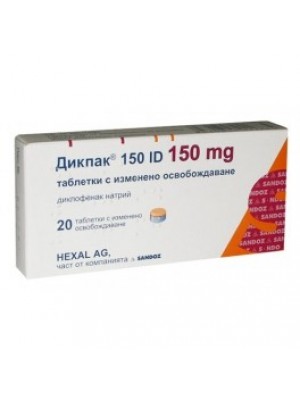
DICLAC retard 150 mg. 20 tabletsWHAT DICLAC 150 ID AND WHAT ..
18.00€

Diclofenac Duo 75 mg. 30 capsulesWHAT Diclofenac DUO AND WHA..
18.00€