
Your shopping cart is empty!
Welcome visitor you can login or create an account.
FLEX CODE 500 ml.
Product Code: FLEX CODE 500 ml.
Availability: In Stock

Product viewed: 2273


Flex Code is the newest and most potent combination product for the treatment of various disease states of the locomotory system. It combines in an original way the qualities of the liquid form, allowing optimal absorption and the possibility of receiving maximum doses of the main ingredients. The unique advantage of the product is the presence of low molecular weight hyaluronic acid Phylcare XLW 50 kDa, developed especially in liquid form for oral administration. It is a reliable alternative to intra-articular injection, with the possibility of optimal absorption, high therapeutic index, and articular anatomy.
INDICATIONS:
joint pain, stiffness and discomfort, increases the size of movement and functional joint capacity in: gonarthrosis, coxarthrosis, spondylarthrosis, Bouchard and Heberdeen nodes, domestic and sports injuries, sprains, sprains, etc .; supports the recovery process in inflammatory joint diseases - rheumatoid and psoriatic arthritis, Behterev's disease, etc. It can also be used as a prophylactic against these diseases, in elderly people as well as in active sportsmen.
What is glucosamine?
Glucosamine is a substance synthesized naturally in the body. It is formed by combining glucose with the amino acid glutamine. It is an integral part of joints, cartilage, cells and, in general, connective tissue. As his age progresses, his concentration in the body decreases. It is therefore necessary to accept it further. The reduced ability of the body to synthesize glucosamine leads to the development of osteoarthritis. Glucosamine reduces pain in the joints, exerts anti-inflammatory action, helps build healthy chrusses to provide smooth, proven effectiveness - Glucosamine Sulfate.
What is chondroitin?
Chondroitin sulfate is a glycosaminoglycan, which is one of the most important components of connective tissue (tendons and joints). This substance is extracted from shark cartilage or from bovine tendons. Chondroitin prevents the penetration of water and nutrients into the inflamed tendons and joints. At the same time, it does not prevent the penetration of other substances into the connective tissue. This is a very important property, since connective tissue is generally relatively low in blood. As a result of the action of chondroitin, the healing and repair of diseased tendons and joints accelerates. Chondroitin has additional physiological effects in atherosclerosis and heart attack as well as accelerated wound healing. For the production of the Flex Code, chondroitin is produced from shark cartilage. This is the highest quality and proven maximum efficiency form.
What is MCM (Methylsulfonyl methane)?
MCM (methylsulfonylmethane) is a natural form of organic sulfur that is contained in the tissues of all living organisms. Similar to glucosamine and chondroitin, MSM provides the body with the "raw" building material it needs to synthesize the sulfur-containing amino acids serine and methionine. MCM (methylsulfonylmethane) is a pure, organic, nontoxic, non-metallic element widespread in There is a pain-relieving and anti-inflammatory effect by blocking inflammation mediators and providing sulfur for the formation of articular cartilage and collagen.MCM reduces spasms in skeletal muscles by improving blood flow to them.
What is hyaluronic acid?
Benefits of Hyaluronic Acid Food Supplements
Hyaluronic acid is administered to patients who need to relieve joint movements by restoring natural joint lubrication, primarily to the knee, hip and joints of the fingers, legs and spine. Hyaluronic acid is recommended for use by men and women over 30 years of age with increased motor activity and over 40 years of age who are beginning to feel the first signs of aging. Hyaluronic acid is recommended for use in adults with established joint problems. Hyaluronic acid is widely used in cosmetics - it moisturises the skin from the inside out, smooths the wrinkles and acts as an internal skin hydrating agent.
Key functions of hyaluronic acid
Hyaluronic acid is found in every body tissue. The highest concentration is in synovial (joint) fluid, eyes and in the skin. One of the most important biological functions of hyaluronic acid is water retention; it also transports nutrients to various intra-body structures and removes waste products from some cells that are not directly blood-supplied, such as cartilage tissue cells. These essential biological functions can not be realized at a lower than adequate amount of hyaluronic acid in the relevant biological tissues and fluids. The most amount of hyaluronic acid is found in the synovial fluid, the vitreous of the eye, the cartilage, the blood vessels, the extracellular matrix on
Hyaluronic acid is present in the synovial fluid
The joints are covered by a joint capsule, upholstered on the inside by the so- synovial membrane. The synovial membrane synthesizes a fluid called synovial fluid that exhibits different and very essential biological functions for the normal functioning and survival of intra-articular structures such as chrysalis, connective tissue connections, cells, etc. The most important of these are the lubrication of the above-mentioned intra-structure structures, the transfer of nutrients to the low-blooded tissues and the removal of various degradation products. In this way, the joint fluid prevents joints and underlying bones from premature rupture and prolongs the life of the various internal structures and the joint as a whole. It is important to emphasize that cartilaginous tissue does not contain blood vessels. Synovial fluid is therefore so important, as this is the only way the nutrients reach the cartilage and the waste products are removed and disposed of.
Hyaluronic acid is a key component of cartilage
Cartilage is a specific form of connective tissue. Hyaline cartilage is the most common form of this tissue in the body. It gives strength and flexibility to the joints. Hyaluronic acid is a vital element of the hyaline cartilage. Since the cartilage is not provided with blood vessels, the nutrients reach it through the synovial fluid, which further enriches it with hyaluronic acid.
Hyaluronic acid is in the extracellular component of connective tissue
Hyaluronic acid is found in the extracellular component of connective tissue, which consists of fibrous elements, glycinoamine-glycans synthesized by synovial cells and is emitted into the extracellular space of the tissues concerned. It is an essential element of the joint fluid. It retains moisture in the extracellular component of connective tissue and maintains the integrity of articular cartilage structure and other intrabody structures - connections, cells, and so on.
Hyaluronic acid in the skin
In the skin, the extracellular component of the connective tissue is made up of hyaluronic acid and other sulfur-containing proteins combined with collagen and elastin, which support normal skin turrow in the presence of sufficient water. With a reduced supply of water to elasticity, the skin dries and wrinkles.
The half-life of hyaluronic acid is cartilage is 2-3 weeks, and the skin is less than 1 day. Hyaluronic acid is contained in the largest amount in dermis and epidermis (the average and underlying skin layer). Naturally produced hyaluronic acid that is present in the epidermis (the top layer of the skin) is metabolized and secreted in less than 24 hours. Like hyaluronic acid produced in the body, and taken as a nutritional supplement, it moisturizes the skin from the deeper to the outer skin layer. This makes the skin soft, smooth and elastic. Over time, the amount of hyaluronic acid in the body decreases. This is due to two factors: reduced synthesis and increased metabolism (destruction) of hyaluronic acid in all skin conditions. These changes reduce the amount of hyaluronic acid to a significant degree in the epidermis. This causes dryness, thinning and aging of the skin.
Treatment with hyaluronic acid
Phylcare hyaluronic acid is produced from streptococcal strains by biofermentation technology using only non-GMO / non-GM modified raw materials - peptones, yeast, glucose. This does not eliminate any possibility of contamination by animal proteins.
Treatment of arthrosis
Over the past 20 years, doctors have injected hyaluronic acid directly into the synovial fluid of the knee to treat osteoarthritis. There are a number of scientific papers discussing the benefits of using hyaluronic acid to treat various degenerative joint diseases. The cost of producing hyaluronic acid is high. This also increases the treatment of hyaluronic acid ointment in the form of an intraocular injection solution.
CONTRAINDICATIONS:
Do not use in pregnancy, breast-feeding and children under the age of 6 years. Do not use in case of intolerance to any of the active ingredients.
SIDE EFFECTS: Not established
COMPOSITION:
CONTENTS
Dnevna daeza
30 ml
Glucosamine Cyflate
(Glucosamine Sulfate)
1,500 mg
Xonpoitin Cytfat
(Chondroitin Sulfate - Shark)
200 mg
MSM (methylsulfonyl methane) 1500 mg
Xylancine 90 mg
Take: 2 times 10 ml daily, dissolved in water during or after meals
For prophylaxis: 10 ml daily, dissolved in water during or after meals.
LENGTH OF ACCEPTANCE:
for optimum effect it is recommended to take the product for 3 months.
STORAGE AND USE CONDITIONS:
Store in a cool, dry place out of the reach of children. After opening, store at 5 - 10 degrees.
Write a review
Your Name:Your Review: Note: HTML is not translated!
Rating: Bad Good
Enter the code in the box below:
Related Products
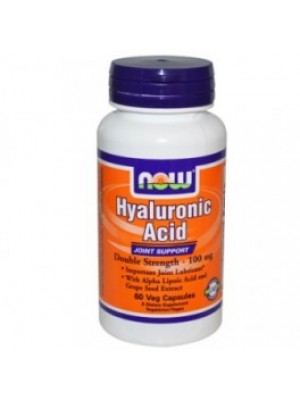
Hyaluronic Acid 100 mg. 60 capsulesDescription:For healthy j..
64.00€
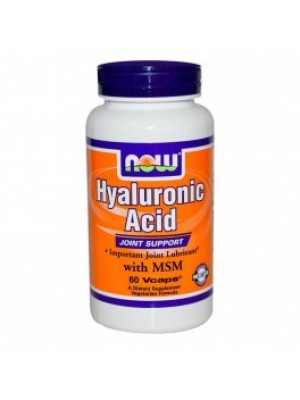
HYALURONIC ACID with MSM 60 capsulesDescription:For healthy ..
49.00€
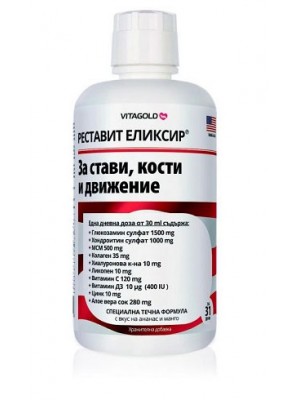

Food supplement
What is Hyaluronic acid, MSM & Glucosam..
39.00€