Your shopping cart is empty!
Welcome visitor you can login or create an account.
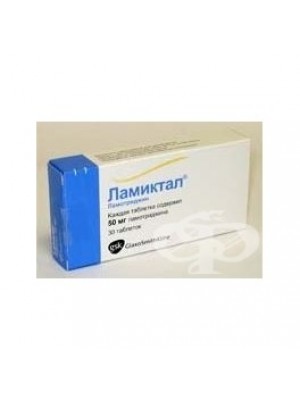
Epitrigine 100 mg. 30 tablets
Product Code: Epitrigine 100 mg. 30 tablets
Availability: In Stock

Product viewed: 1396


Epitrigine 100 mg. 30 tablets
What is Epitrigine and what is it used?
Epitrigine belongs to a group of medicines called antiepileptic. Gentile is used to treat diseases in half - epilepsy and bipolar disorder.
Epitrizhin epilepsies treated by blocking nerve signals, which cause epileptic seizures.
• For adults and children 13 and older, Epitrizhin can be used alone or with other medicines to treat epilepsy. Epitrizhin can also be used with other medicines to treat seizures associated with a condition called Syndrome Lennox-Gastaut.
• In children aged 2 to 12 years Epitrizhin can be used with other medicines to treat those conditions. It can be used alone to treat a type of epilepsy called typical absence seizures.
Epitrigine used to treat bipolar disorder.
People with bipolar disorder (sometimes called manic depression) have extreme mood swings, with periods of mania (excitement or euphoria) alternating with periods of depression (deep sadness or despair). For adults aged 18 years and older, Epitrizhin can be used alone or with other medicines to prevent the periods of depression that occur in bipolar disorder. Not yet clarified the mechanism of action of Epitrizhin in the brain to have this effect.
2. What you should know before using Epitrigine
Do not use Epitrigine:
• If you are allergic (hypersensitive) to lamotrigine or any of the other ingredients of Epitrizhin (listed in section 6).
If this applies to you:
Tell your doctor and do not take Epitrigine.
Warnings and Precautions
Vashnyat doctor should be notified before starting treatment with Epitrizhin:
• If you have kidney problems
• if you have ever developed a rash after taking lamotrigine or other medicines to treat bipolar disorder and epilepsy
• If you had meningitis after taking lamotrigine (description of symptoms .You can read in paragraph 4 Adverse Drug Reactions)
• if you are already taking medicines containing lamotrigine.
If any of the above applies to you, tell your doctor, who may decide to lower your dose or decide that Epitrizhin is not suitable for you.
When using lamotrigine reported occurrence of potentially life-threatening skin rashes (Stevens-Dzhonsyn, toxic epidermal necrolysis), which initially appear as reddish body sharp target or round spots, often with blisters in the center.
• Additional appear symptoms like ulcers in the mouth, throat, nose, genitals and conjunctivitis (red and swollen eyes).
• These potentially life-threatening skin rashes are often accompanied by flu-like symptoms. The rash may progress to widespread blistering or peeling of the skin.
• The risk for serious skin reactions was highest during the first weeks of treatment.
• If you develop Stevens-Johnson and toxic epidermal necrolysis after use of lamotrigine should never re not use lamotrigine.
• If you observe a rash or these skin symptoms, stop taking the drug immediately seek medical advice and tell that you are taking this medicine.
Thoughts of harming or killing
Antiepilsptichni drugs are used for treatment of several diseases, including epilepsy and bipolar disorder. People suffering from bipolar disorder can sometimes have thoughts of harming or suicide. If you suffer from bipolar disorder is more likely to think like this:
• when starting treatment for the first time
• If you have previously had thoughts of harming or suicide
• If you are under 25 years.
If you have distressing thoughts or experiences, or if you notice that you feel worse or the occurrence of new symptoms while taking Epitrigine:
See a doctor as soon as possible or go to the nearest hospital for help.
A small number of people being treated with antiepileptic agents, such as Epitrizhin also had thoughts of harming or killing themselves. If at any time when you have these thoughts, immediately contact your doctor.
If you take Epitrigine to treat epilepsy
Seizures in some types of epilepsy may worsen, which occurs more frequently during treatment with Epitrigine. Some patients may experience severe seizures, which can cause serious health problems. If the occurrence of seizures happen more often, or if you have a severe seizure while taking Epitrizhin:
Tell your doctor as soon as possible.
Epitrizhin should not be administered to subjects aged 18 years iodine to treat bipolar disorder. Medicines to treat depression and other mental health problems increase the risk of suicidal thoughts and self-harm in children and adolescents aged under 18 years.
Other medicines and Epitrigine
Tell your doctor or pharmacist if you are taking, you have recently taken or might take any other medicines.
Your doctor should know if you are taking other medicines to treat epilepsy or problems related to mental health to determine the correct dosage of Epitrizhin. These medications include:
• oxcarbazepine, felbamag, gabapentin, levetiracetam, pregabalin, topiramate or zonisamide, used to treat epilepsy
• lithium or olanzapine for the treatment of mental health problems
• bupropion, used to treat mental health problems or to stop smoking
Tell your doctor if you are taking any of these medicines.
Some medicines interact with Epitrizhin or increase the likelihood of side effects. These include:
• valproate, used to treat epilepsy and mental health problems
• carbamazepine, used to treat epilepsy and mental health problems
• phenytoin, primidone or phenobarbitone, used to treat epilepsy
• olanzapine, used to treat mental health problems
• risperidone, used to treat mental health problems
• rifampicin, an antibiotic
• Lopinavir / ritonavir and atazanavir / ritonavir, used to treat immunodeficiency in infection with the AIDS virus (HIV)
• orlistat used for weight loss
• hormonal contraceptives, such as the Pill (see below). Tell your doctor if you are taking, you start or stop taking any of these drugs.
Hormonal contraceptives (birth control pills) may affect the operation of Epitrizhin.
Your doctor may recommend that you use a particular type of hormonal contraceptive, or another method of contraception, such as condoms, diaphragm or spiral. If you are using a hormonal contraceptive (birth control pills), your doctor may take a blood sample to check the level of Epitrizhin. If you plan to start using a hormonal contraceptive, talk to your doctor, who can offer suitable methods of contraception.
Epitrigine can also affect the way hormonal contraceptives, although it is expected to reduce the effect of their action. If you are using a hormonal contraceptive, and you notice any changes in their menstrual pattern, such as breakthrough bleeding or spotting in between periods, tell your doctor. This may be a sign that Epitrizhin affecting the way your contraceptive.
Pregnancy, lactation and fertility
If you are pregnant or breast-feeding, you think you may be pregnant or planning to become pregnant, ask your doctor or pharmacist before taking this medicine.
There is an increased risk of birth defects in children whose mothers took Epitrizhin during pregnancy. These defects include cleft lip or cleft palate. Your doctor may advise you to take extra folic acid if you intend to become pregnant and during pregnancy.
Talk is your doctor if you are pregnant or planning to become pregnant. You should not stop treatment without discussing this with your doctor. This is especially important if you suffer from epilepsy.
Tell your doctor if you are breastfeeding or plan to breastfeed. The active substance of Epitrizhin passes into breast milk and may affect your baby. Your doctor will discuss the risks and benefits of breastfeeding. Will check your baby if you choose to breast-feed while taking Epitrigine
Driving and using machines
Epitrigine can cause dizziness and double vision.
Do not drive or operate machines unless you are sure you're not affected.
If you have epilepsy, talk to your doctor about driving and using machines.
Warning: Epitrizhin contains lactose monohydrate
If your doctor has told you that you have an intolerance to some sugars, contact your doctor before taking this product.
3. How to use Epitrigine
Always take Epitrigine just as you have been told by your doctor. If you're not sure, ask your doctor or pharmacist.
How Epitrigine taking?
Establishing the optimal dose for you Epitrizhin may take some time. The dose you take will depend on:
• your age
• concomitant administration of other drugs Epitrizhin
• presence of kidney or liver problems.
Your doctor will start you on a low dose and gradually increase within a few weeks until the dose that is optimal for disease control (called the effective dose). Never take more Epitrizhin than prescribed by your doctor.
The usual effective dose Epitrizhin for adults and children over 12 years is between 100 mg and 400 mg each day.
For children aged 2 to 12 years effective dose depends on the body weight - usually between 1 mg and 15 mg per kilogram body weight of the child, to a maximum daily dose of 400 mg.
Epitrizhin not recommended for use in children under 2 years of age.
How to take your dose Epitrigine
Take your dose Epitrizhin once or twice daily as recommended by your doctor. You can take it with or without food.
Your doctor may advise you to start or stop taking other medicines, depending on the condition being treated and the way you respond to treatment.
• Swallow the tablets whole. Do not crush, chew or crush
• Always take the full dose prescribed by your doctor. Never take only part of the tablet.
If you take more than the amount Epitrigine
If someone takes too much Epitrizhin immediately contact a doctor or pharmacist. If possible show them the pack Epitrigine
When taking too much Epitrizhin may occur following symptoms:
• rapid, uncontrollable eye movements (nystagmus)
• clumsiness and lack of co-ordination, affecting their balance (ataxia)
• loss of consciousness or coma.
If you forget to take Epitrigine
Do not take extra tablets or a double dose to make up the missed dose.
If you forget to take a dose Epitrigine
Ask for advice at your doctor how to start taking it again. This is of great importance for your treatment.
Do not stop taking Epitrizhin without medical advice.
Take Epitrizhin as long as you recommend your doctor. Do not stop taking your medicine unless your doctor tells you.
If you take Epitrigine to treat epilepsy
To stop taking Epitrizhin, it is important that your dose is reduced gradually, over about two weeks. If you stop taking Epitrizhin sudden epilepsy may reappear or worsen.
If you take Epitrigine to treat bipolar disorder
It may take some time Epitrizhin begin to act and is therefore unlikely to feel better immediately after starting treatment. In case you stop treatment with Epitrizhin does not need your dose is reduced gradually. Yet you should first consult your doctor if you decide to stop taking Epitrigine
4. Possible side effects
Like all medicines, Epitrigine can cause side effects, although not everybody gets them.
If an allergic reaction or potentially serious reactions of the skin, seek immediate medical attention.
A small number of patients taking Epitrigine develop an allergic reaction or potentially serious reactions of the skin, which it could develop into more serious and even life-threatening if left untreated.
These symptoms are more likely to occur during the first few months of treatment with Epitrigine, especially if the starting dose is too high or if the dose is increased too quickly, or if Epitrigine be taken together with another medicine called valproate. Some of the symptoms are more common in children, so parents should monitor their children especially carefully for the emergence of these symptoms.
Symptoms of these reactions include:
• skin rashes or redness, which may develop into severe skin reactions including widespread rash with blisters and peeling skin, especially the mouth, nose, eyes and genitals (Stevens-Johnson), extensive peeling of the skin (more than 30 % of the body surface - toxic epidermal necrolysis
• sore mouth or eyes
• fever (fever), flu-like symptoms or drowsiness
• swelling of the face, or swollen glands in the neck, armpit or groin
• unexpected bleeding or bruising, or your fingers turning blue
• sore throat or infections (such as colds) than usual.
In most cases these symptoms are signs of less serious side effects. But you should be aware that they are potentially serious, so if you notice any of these symptoms, consult your doctor as soon as possible. Your doctor may decide you be held liver, kidneys or blood, and may tell you to stop taking Epitrizhin.
Very common side effects
They may affect more than 1 in 10 patients:
• headache
• feeling dizzy
• sleepiness
• clumsiness or lack of coordination (ataxia)
• double vision or blurred vision
• nausea or vomiting
• skin rash
Common side effects
They may affect up to 1 in 10 patients:
• aggression or irritability
• rapid, uncontrollable eye movements (nystagmus)
• shaking or tremors
• trouble sleeping
• diarrhea
• dry mouth
• fatigue
• back pain, joints or elsewhere in the body.
Rare side effects
They may affect up to 1 in 1000 patients:
• itchy eyes, with discharge and crusty eyelids (conjunctivitis)
Very rare side effects
May affect up to 1 in 10,000 patients:
• hallucinations ( "hearing" or "seeing" things)
• confusion or anxiety
• feeling of insecurity and instability in movement
• uncontrollable body movements (tics), uncontrollable muscle spasms affecting the eyes, head and torso (choreoathetosis), or other unusual body movements such as twitching, tremors or stiffness
• There are reports of potentially life-threatening skin reaction (Stevens-Johnson, toxic epidermal necrolysis: see point 2)
• in patients with epilepsy - seizures happening more often
• changes in liver function, which occur when blood tests or liver failure
• Changes in blood tests - including reduced numbers of red blood cells (anemia), low white blood cells (leukopenia, neutropenia, agranulocytosis), low platelet count (thrombocytopenia), reduced numbers of all these types of cell (pancytopenia) and bone marrow disorder called aplastic anemia
• serious bleeding disorder, which can cause unusual bleeding or bruising (disseminated intravaskularia coagulation)
• high temperature (fever)
• swelling around the face (edema) or swollen glands in the neck, armpit or groin (lymphadenopathy)
• worsening of symptoms in humans suffering from Parkinson's disease. Side effects with unknown frequency
From the available data can not be estimated frequency:
A group of symptoms including: fever, nausea, vomiting, headache, stiff neck and extreme sensitivity to bright light. This can be caused by inflammation of the lining covering the brain and spinal cord {meningitis). These symptoms usually resolve after discontinuation of treatment, however, if symptoms persist or worsen your doctor.
There are reports of bone diseases including osteopenia and osteoporosis (bone thinning) and fracture (breakage) during treatment with lamotrigine.
Write a review
Your Name:Your Review: Note: HTML is not translated!
Rating: Bad Good
Enter the code in the box below:
Related Products

LAMICTAL table. 100 mg. 28 tablets WHAT IT IS USED FOR LAMIC..
29.00€