Your shopping cart is empty!
Welcome visitor you can login or create an account.
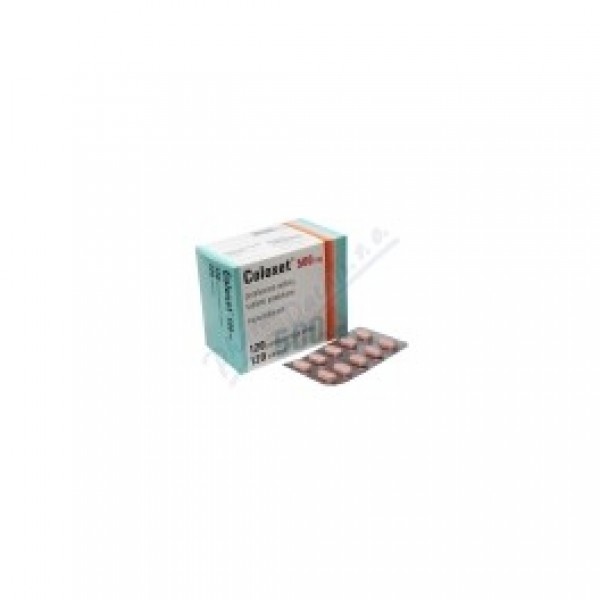
COLOXET 500 mg. 120 tablets
Product Code: COLOXET 500 mg. 120 tablets
Availability: In Stock
Product viewed: 923


COLOXET 500 mg. 120 tablets
What Coloxet and what it is used
Coloxet belongs to a group of medicines called "cytostatic agents", which stop the growth of cancer cells. Coloxet contains capecitabine, which itself is not chemotherapy. Once absorbed by the body, it is converted into an active anti-cancer drug (more in tumor tissue than in normal tissue).
Coloxet prescribed by physicians for the treatment of cancer of the colon, rectum, stomach and breast. Furthermore Coloxet is prescribed by doctors to prevent new occurrence of colon cancer after complete removal by surgery.
Coloxet can be used alone or in combination with other medicines.
2. What you need to know before taking Coloxet
Do not take Coloxet:
if you are allergic (hypersensitive) to capecitabine or any of the other ingredients of Coloxet. You should tell your doctor if you know you do not have an allergy or extreme sensitivity to Coloxet;
if you are pregnant or breast-feeding;
if you have blood disorders;
if you have liver problems or kidney problems;
if you know that you have a deficiency of the enzyme dihydropyrimidine dehydrogenase (DPD), or if you are taking now or have been treated for the last 4 weeks Brivudine sorivudine or similar classes of substances as part of the treatment of herpes zoster infection (chickenpox or shingles).
Warnings and precautions:
Before treatment Coloxet, make sure your doctor knows that:
have liver or kidney disease;
have or have had other illnesses, such as heart problems or chest pain;
have brain diseases;
have imbalance of calcium;
have diabetes.
Other medicines and Coloxet:
Before starting treatment, tell your doctor or pharmacist if you are taking or have recently taken any other medicines, including medicines obtained without a prescription. This is extremely important as taking more than one medicine at the same time can strengthen or weaken the effect of the drug. You need to be especially cautious if you are taking any of the following:
medicines for gout (allopurinol);
blood thinners (coumarin, warfarin);
some antiviral medicines (sorivudine and Brivudine);
medicines for seizures or tremors (phenytoin).
Taking Coloxet food, beverages and alcohol
You should take Coloxet no later than 30 minutes after a meal.
Pregnancy and lactation
Before the beginning of treatment you should tell your doctor if you are pregnant, think you may be pregnant or planning a pregnancy.
You should not take Coloxet if you are pregnant or think you may be pregnant. You should not breast-feed if you are taking Coloxet.
Ask your doctor or pharmacist before taking any medicine.
Driving and using machines:
Coloxet may cause dizziness, nausea, or fatigue. Therefore Coloxet could affect your ability to drive or operate machinery. Do not drive if you feel dizzy if you feel sick or feel tired after taking this medicine.
Coloxet contain:
This medicinal product contains anhydrous lactose as an excipient. If your doctor has told you that you have an intolerance to some sugars, consult him before taking Coloxet.
3. How to take Coloxet
Coloxet tablets should be swallowed whole with water.
Your doctor will prescribe a dose and treatment regimen that is right for you. Coloxet dose is determined by the surface of your body. Calculated taking into account the property height and your weight. The usual dose for adults is 1250 mg / m2 body surface area, taken twice daily (morning and evening). Here are two examples: a person weighing 64 kg and a height of 1,64 m has a body surface area of 1,7 m2 and should take 4 tablets of 500 mg and 1 tablet of 150 mg twice daily. Person weighing 80 kg and height 1,80 m has a body surface area of 2,00 m2 and have to take 5 tablets of 500 mg twice daily. Coloxet tablets are normally taken for 14 days followed by seven days rest period (when no tablets are taken). This 21-day period is one treatment cycle.
In combination with other drugs, the usual dose for adults may be less than 1250 mg / m2 body surface area and may need to take the tablets for different periods of time (eg. Every day without a rest period). Your doctor will tell you what dose you should take, when to take and how long you should take it.
Your doctor may suggest a combination of tablets of 150 mg, 300 mg and 500 mg per dose.
Take the tablets in the combination prescribed by your doctor for your dose in the morning and evening.
Take the tablets within 30 minutes after a meal (breakfast and dinner).
It is important to take all medications as prescribed by your doctor.
If you take more than you should Coloxet
Contact your doctor before you take your next dose.
You may get these side effects if you take more than you should, nausea or vomiting, diarrhea, inflammation or ulceration of the gut or mouth, pain or bleeding from the stomach or intestines, bone marrow suppression (reduction in the number of certain blood cells) . Tell your doctor immediately if you experience signs.
If you forget to take Coloxet
Do not take the missed dose at all and do not take a double dose. Instead, continue your regular schedule for taking the drug and consult your doctor.
If you stop taking Coloxet
There are no side effects caused by the discontinuation of Coloxet. If you are using coumarin anticoagulants, stopping the Coloxet may require your doctor to adjust the dose of anticoagulant.
If you have any further questions on the use of this product, ask your doctor or pharmacist.
4. Possible side effects
Like all medicines, Coloxet can cause side effects, although not everybody gets them.
Coloxet When used alone, the most common side effects which may affect more than 1 but 10 people are:
diarrhea, nausea, vomiting, stomatitis (inflammation of the mouth and throat) and abdominal pain;
skin reaction "hand-foot" (burning sensation in the palms of the hands or soles of the feet, these cramps are painful, swollen or red), rash, dry or itchy skin;
fatigue;
loss of appetite (anorexia).
These side effects can become severe; it is important always when a side effect immediately contact your doctor. Your doctor can give you to reduce the dose and / or temporarily stop your treatment with Coloxet. This will help reduce the likelihood of adverse reactions continue or become severe.
Stop taking Coloxet immediately and call your doctor if you develop any of these symptoms:
Diarrhea: if you have 4 or more bowel movement every day than usual or diarrhea during the night;
Vomiting: if you vomit more than once in a 24-hour period;
Nausea: if you lose your appetite and the amount of food you take every day is much less than usual;
Stomatitis: if you have pain, redness, swelling or sores in the mouth;
Skin reaction "hand-foot": if you have pain, swelling and redness of the hands and / or feet;
Fever or infection, if you have a temperature of 38 ° C or higher, or other signs of infection;
Chest pain: if you get pain in the middle of the chest, especially if it occurs during exercise.
If found early, these side effects usually improve within 2 to 3 days after treatment discontinuation. If these side effects persist, immediately contact your doctor. Your doctor may advise you to restart treatment with a lower dose.
Observed are other less common and usually mild side effects which may affect between 1 and 10 people 100: reducing the number of white blood cells or red blood cells, skin rashes, slight hair loss, fatigue, fever, weakness, drowsiness, headache numbness and tingling, changes in taste, dizziness, insomnia, swelling of the legs, constipation, dehydration, cold sores, inflammation of the nose and throat, chest infection, depression, eye problems, inflammation of the veins (thrombophlebitis), shortness of breath, nosebleeds , cough, runny nose, bleeding from the gut, heartburn, flatulence, dry mouth, change in skin color, nail disorder, joint pain, chest or back pain, and weight loss.
If you are concerned about these or other (s) unexpected (and) reaction (s), talk to your doctor. If any of the side effects gets serious, or you notice other effects not listed in this leaflet, please tell your doctor or pharmacist.
5. How to store Coloxet
Keep out of the reach and sight of children.
Blisters of aluminum / aluminum
This medicinal product does not require any special storage conditions.
Blister PVC / PVdC / aluminum
Do not store above 30 ° C.
Write a review
Your Name:Your Review: Note: HTML is not translated!
Rating: Bad Good
Enter the code in the box below:
Related Products
Capecitabine 500 mg. 120 tablets What Capecitabine Zentiva ..
289.00€
Capecitabine 500 mg. 120 tablets ACCORD What Capecitabine A..
259.00€
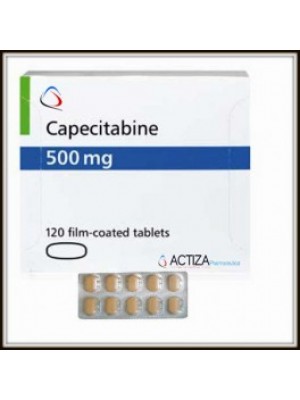
Capecitabine 500mg.120 tablets What Capecitabine Sandoz and..
245.00€