Your shopping cart is empty!
Welcome visitor you can login or create an account.
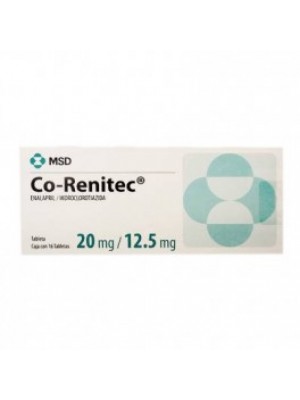
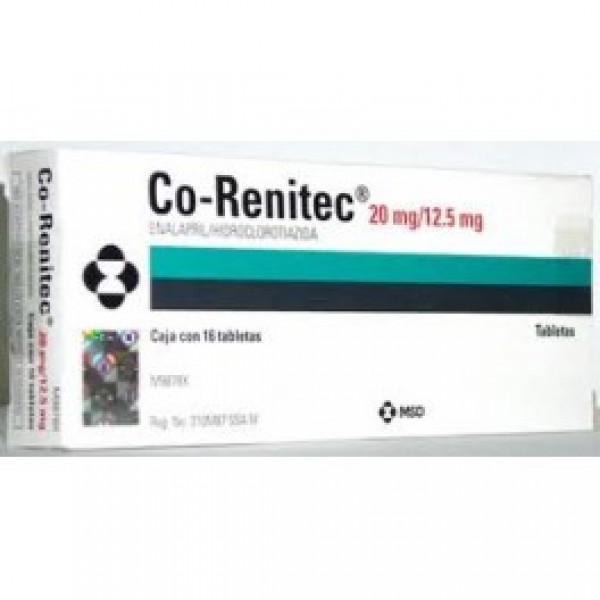
CO-RENITEC 20mg. 14 tablets
Product Code: CO-RENITEC 20mg. 14 tablets
Availability: In Stock
Product viewed: 1324


CO-RENITEC 20mg. 14 tablets
WHAT IS CO-RENITEC AND WHAT IT IS USED
The composition of enalapril CO-RENITEK medicine from the group of so-called angiotensin converting enzyme (ACE) inhibitors. Hydrochlorothiazide component also co-RENITEC medicine from the group of diuretics (water pills).
Your doctor has prescribed CO-RENITEC to treat your hypertension (high blood pressure).
Ingredient enalapril CA-RENITEC dilates blood vessels, thus facilitating the heart to pump blood to all parts of the body. Hydrochlorothiazide in the composition of the CO-RENITEC causes the release of more water and salts through the kidneys. Together, enalapril and hydrochlorothiazide help to lower high blood pressure.
INFORMATION FOR PATIENTS WITH HIGH BLOOD PRESSURE
What is blood pressure?
The pressure that creates the heart to pump blood to all parts of your body is called blood pressure. Without such pressure is not possible blood circulation. Normal blood pressure is part of good health. Blood pressure changes throughout the day, depending on physical activity, emotional arousal and stress levels.
Blood pressure is recorded with two numbers, such as 120/80. A greater number corresponds to the pressure created by the heart during its contraction. A smaller number reported pressure in the circulatory system between two cuts of the heart.
What is high blood pressure (hypertension)?
You have high blood pressure if it remains above normal, even at rest. The pressure in the circulatory system is increased by the narrowing of the blood vessels, which hinders the passage of blood.
How do you know that you have high blood pressure?
Usually high blood pressure not accompanied by any symptoms. The only way to tell if you have high blood pressure is to measure it. Therefore, blood pressure should be measured regularly.
Why hypertension should be treated?
If left untreated, high blood pressure can damage vital organs like the heart and kidneys. It is possible to feel well and have no symptoms, and hypertension can lead to stroke, heart attack, heart and kidney failure or blindness. Increased blood pressure can be treated and controlled successfully with drugs such as co-RENITEC. Only a doctor can determine the optimal blood pressure in your case. Remember these values with the help of the doctor try to achieve them.
2. BEFORE YOU TAKE CO-RENITEC
Do not take Co-RENITEC:
if you are allergic to any of its ingredients (see What is Co-RENITEC);
if the previous treatment with drugs of this class (ACE inhibitors) such as CO-RENITEK you experience allergic reactions such as swelling of the face, lips, tongue and / or throat with difficulty in breathing and swallowing. You should not be taken KO-RENITEK if you had these types of reactions without a known cause or if you diagnosed with hereditary or idiopathic angioedema;
if you are allergic to drugs in the sulfonamide group (consult a doctor if you're not sure what these medicines);
if no urine;
If you have severe renal impairment;
if you have severe liver impairment;
if you are three months pregnant (It is also better to avoid taking Co-Renitek in early pregnancy) - See section "Pregnancy".
If you are unsure whether you can make RENITEC, consult a doctor.
Take special care with Co-RENITEC
Tell your doctor about all your medical problems, as well as any allergies. Tell your doctor if you have heart or liver disease, gout, if you are on dialysis or are being treated with diuretics (water tablets), if you have recently had excessive vomiting or diarrhea. You should also report whether you are on a salt-restricted diet, are taking potassium supplements, potassium-sparing agents or potassium-containing salt substitutes if you have diabetes or any kidney problems as they may lead to a significant increase in the level of potassium in the blood, which can have serious consequences. In these cases you may need a dose adjustment of CO-RENITEC or monitoring the level of potassium in the blood. Tell your doctor if you have diabetes because thiazide diuretics can lead to the need for dose adjustment of antidiabetic drugs, including insulin.
Tell your doctor if you have ever had an allergic reaction with swelling of face, lips, tongue and / or throat with difficulty in swallowing and breathing.
Tell your doctor if you notice symptoms such as nausea or dizziness, especially when getting up, talking about low blood pressure (orthostatic hypotension).
Before surgery or anesthesia (even at the dental treatment), tell the surgeon or dentist that you are taking KO-RENITEC. This is necessary because during anesthesia may be a sudden drop in blood pressure.
You should tell your doctor if you think you are (or might become) pregnant.
CO-RENITEC not recommended in early pregnancy and must not be taken if you are pregnant after the third month, as it may cause serious harm to your baby if used at that stage (see. Section "Pregnancy").
Use in children
The safety and efficacy of the drug in children has not been established.
Use in elderly patients
In clinical studies co-administration of enalapril maleate and hydrochlorothiazide (active ingredients of Co-RENITEC) establish similarity in efficacy and tolerability of the drug in the elderly, hypertensive patients of different age groups.
Taking other medicines
Please tell your doctor or pharmacist if you are taking or have recently taken any other medicines, including medicines obtained without a prescription.
Basically CO-RENITEC can be taken with other drugs. In order to clarify the dose of CO-RENITEC it is very important the doctor knows if you are taking the following medicines:
other antihypertensive drugs (drugs used to lower blood pressure);
diuretics (water pills);
potassium-containing drugs (including dietary salt substitutes);
lithium-containing medicines (used to treat a certain type of depression);
antidepressants (medicines to treat depression);
antipsychotics (medications to treat schizophrenia);
sympathomimetic agents (medicines used to treat certain diseases of the heart and blood vessels and some cold medicines);
antitiabetni (medicines used to treat diabetes);
NSAIDs - NSAIDs (lekarstva used to treat pain, and arthritis including therapy with gold);
cytostatics (drugs used to treat cancer).
Pregnancy and lactation
Pregnancy
You should tell your doctor if you think you are (or might become) pregnant. Your doctor will normally advise you to stop taking Co-RENITEC before you become pregnant or as soon as possible after you know you are pregnant and will advise you to take another medicine instead of CO-RENITEC. CO-RENITEC not recommended during pregnancy and should not be taken when you are pregnant after the third month, as it can cause serious harm to your baby if used after the third month of pregnancy.
Breastfeeding
Tell your doctor if you are breastfeeding or are breast-feeding. CO-RENITEC not recommended in breastfeeding women.
Driving and using machines
The individual response to treatment may vary. Some side effects have been reported with administration of CO-RENITEC can affect the ability to drive or operate machinery in some patients. (See What are the side effects that can cause CO-RENITEC?).
Important information about some of the ingredients of Co-RENITEC
CO-RENITEC contains lactose (141 mg per tablet).
If your doctor has told you that you have an intolerance to some sugars, contact your doctor before taking this product.
3. HOW TO TAKE CO-RENITEC
The doctor will order the appropriate dose depending on your condition and whether you are taking other medicines. The usual dose is one or two tablets taken once daily. Most people Co-RENITEK with a glass of water.
Take the CA-RENITEC every day exactly as the doctor. It is very important the adoption of the Co-RENITEC to last as long as is considered the doctor. Do not take more than prescribed tablets.
If you take more than the amount of CO-RENITEC
In case of overdose, immediately contact a doctor to be your qualified assistance. The most common symptoms are dizziness, vertigo, due to sudden and strong fall in blood pressure and / or excessive thirst, confusion, decreased urine output and fast heartbeat.
If you forget to take Co-RENITEC
You should take the CO-RENITEC as prescribed. However, if you miss a dose, do not take extra pills, and just carry on as usual program.
4. POSSIBLE SIDE EFFECTS
Like all medicines, Co-RENITEC can cause side effects, although not everybody gets them.
Side effects of medicines are classified as follows:
very common: happening in more than 1 in 10 patients;
common: happening in 1 in 100 to 1 in 10 patients;
uncommon happening in 1 in 1,000 to 1 in 100 patients;
rare: happening in 1 in 10,000 to 1 in 1000 patients;
very rare: happening in less than 1 in 10,000 patients;
not known (can not be estimated from the available data).
Blood and lymphatic system:
Uncommon: reduced number of red blood cells (hemolytic anemia and aplastic);
Rare: decreased hemoglobin, reduction in the number of platelets (thrombocytopenia), bone marrow suppression, changes in blood parameters, e. reduced number of red and white blood cells, lymph node disease (lymphadenopathy) autoimmune diseases.
Endocrine disorders:
Not known: increased secretion of ADH (hormone to regulate the flow of urine), often accompanied by a reduction of sodium in your body and increased fluid retention (syndrome of inappropriate antidiuretic hormone, SIADH).
Metabolism and nutrition disorders:
common: low blood potassium, increased levels of cholesterol or fats in the blood, increased levels of uric acid in the blood;
Uncommon: low blood sugar (hypoglycemia), low levels of magnesium (hypomagnesemia), gout;
rare: increased blood sugar;
very rare: high levels of calcium in the blood (hypercalcemia).
Nervous System:
common: headache, depression, fainting, altered taste;
Uncommon: confusion, drowsiness, insomnia, nervousness, numbness or tingling (paraesthesia), feeling of dizziness or spinning sensation (vertigo), decreased libido;
Rare: sleep disorders, abnormal dreams, sometimes muscle weakness due to low potassium (paresis).
Eye disorders:
very common: blurred vision.
Ear:
Uncommon: tinnitus.
Cardiac and vascular disorders:
Very common: dizziness;
Common: low blood pressure (hypotension), dizziness due to low blood pressure when standing up quickly (orthostatic hypotension), chest pain, changes in heart rhythm, fast heartbeat (palpitations);
Uncommon: flushing, rapid or irregular heartbeat, heart attack, attack probably due to very low blood pressure in high-risk patients (patients with impaired blood flow to the heart and / or brain);
Rare: poor blood supply to the extremities (Raynaud's phenomenon).
Respiratory disorders:
very common: cough;
Common: shortness of breath;
uncommon: runny nose, sore throat and hoarseness, asthma related tightness in the chest;
Rare: swelling of the nasal mucosa, pulmonary infiltrates, breathing difficulties, respiratory distress (including pneumonitis and pulmonary edema, allergic alveolitis / eosinophilic pneumonia).
Gastrointestinal disorders:
Very common: nausea;
Common: diarrhea, abdominal pain;
Uncommon: inflammation of the pancreas (pancreatitis), vomiting, indigestion (dyspepsia), constipation, loss of appetite, gastrointestinal irritation and pain, dry mouth, peptic ulcers, bloating;
rare: inflammation of the mouth (stomatitis / aphthous ulcerations (sores)), swelling of the tongue (glossitis)
very rare: intestinal angioedema.
Liver and gallbladder:
Rare: inflammation of the liver (hepatitis), hepatic failure, which may be fatal, yellow eyes or skin (jaundice) disorders of the gall bladder.
Skin:
common: rash, allergic reaction with swelling of the face, lips, tongue and / or throat, difficulty swallowing or breathing;
Uncommon: sweating (diaphoresis), itching (pruritus), hives (urticaria), hair loss (alopecia);
Rare: severe hypersensitivity reaction with fever, red spots on the skin (erythema multiforme, Stevens-Johnson, toxic epidermal necrolysis), severe skin rash with loss of skin and hair (exfoliative dermatitis), cutaneous lupus erythematosus, red peelable rash (erythroderma), small swellings filled with fluid (pemphigus).
It has been reported symptom complex which may include some or all of the following events: fever, inflammation of the blood vessels (serositis / vasculitis), muscular pain (myalgia / myositis), joint pain (arthralgia, arthritis). It may appear rash, photosensitivity or other dermatological manifestations.
Musculo-skeletal and connective tissue disorders:
Common: muscle cramps;
Uncommon: joint pain (arthralgia).
Renal and urinary:
Uncommon: kidney problems (renal dysfunction), renal failure, protein in the urine (proteinuria);
Rare: reduced amount of urine (oliguria), kidney disease (interstitial nephritis).
Reproductive system and breast disorders:
Uncommon: decreased libido (impotence);
Rare: breast enlargement in men (gynecomastia).
General disorders:
Very common: malaise;
Common: chest pain, fatigue;
Uncommon: malaise, fever.
Laboratory tests:
Common: high levels of potassium in the blood, elevated creatinine in the blood;
Uncommon: blood urea increased, decreased sodium levels in the blood;
Rare: elevated liver enzymes, elevated serum bilirubin.
Although rare, can occur and other side effects, some serious. Request more information about side effects from your doctor or pharmacist. They have further information on this issue.
Stop immediately taking CO-RENITEC and contact a doctor in the following cases:
if you develop swelling of the face, lips, tongue and / or throat that may cause difficulty in swallowing and breathing;
if you experience swelling of hands or feet;
any rash.
You should know that black patients are at increased risk of this type of reactions to ACE inhibitors.
The initial dose may cause more pronounced fall in blood pressure than in the subsequent continuous treatment. You may notice this as faintness or dizziness and occupation of lying could help. If this bothers you, talk to your doctor.
If any of the side effects gets serious, or you notice other effects not listed in this leaflet, please tell your doctor or pharmacist.
5. HOW TO STORE CO-RENITEC
Do not use after month and year marked the last four digits of the package. The first two digits indicate the month and the last two - year.
Keep CO-RENITEK a dry, dark place at a temperature below 30 ° C. Keep CO-RENITEK in its original packaging and keep blisters from moisture.
Keep out of reach of children.
Write a review
Your Name:Your Review: Note: HTML is not translated!
Rating: Bad Good
Enter the code in the box below:
Related Products