Your shopping cart is empty!
Welcome visitor you can login or create an account.
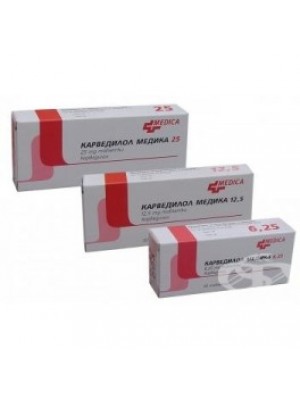
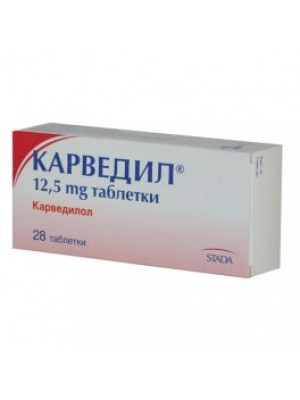
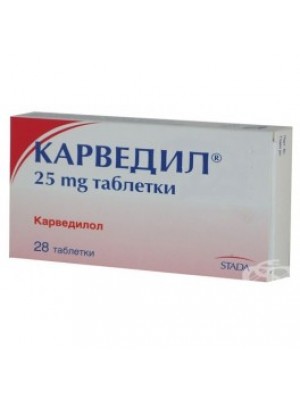
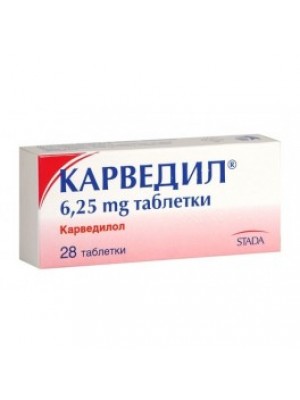
Carvedilol 6.25 mg. 28 tablets

Product viewed: 3304


What is Carvedilol and what is it used for?
Carvedilol belongs to a group of medicines called beta blockers. They act by expanding blood vessels (vasodilators).
Carvedilol is used:
For the treatment of high blood pressure (essential hypertension)
For the treatment of chronic angina pectoris (pain in the heart area due to lack of blood to the heart muscle)
In combination with other medicines for the treatment of moderate to severe chronic heart failure. Moderate to severe heart failure occurs when the heart fails to function well and the symptoms are:
o Swelling of the ankles
O breathless
2. What do you need to know before you take Carvedilol
Do not take Carvedilol
if you are allergic (hypersensitive) to carvedilol or any of the other ingredients of this medicine listed in section 6.
if you have severe heart failure requiring intravenous (intravenous) treatment. Such treatment is done in a hospital and your doctor will determine the medicines you should take.
if you have difficulty breathing or asthma
If you have a lung disease called chronic obstructive pulmonary disease (COPD) with bronchial obstruction (shortness of breath) and shortness of breath.
If you have a liver disease for which treatment is needed If you have heart failure impulses. Your doctor will monitor your heartbeat to find out if you have such a disorder.
If you have severe bradycardia (when the heart rate is very low)
If you have sick sinus syndrome (a heart disease where the rhythm is incorrect)
If you have a slow heartbeat (bradycardia) - just under 50 beats per minute
In cardiogenic shock (very low blood pressure due to heart disease)
If you have very low blood pressure (systolic blood pressure below 85 mmHg)
If you have Pritchmetal angina (heart pain caused by blood vessel cramps)
If you have metabolic acidosis (when the blood is lower than the normal pH, and when blood sugar levels are very high in diabetic patients). Your doctor will tell you if you have this problem
If you are treated with intravenous verapamil or diltiazem (see "Taking other medicines") Warnings and precautions
Please tell your doctor if you have or have ever had any of the following conditions:
Heart failure (when the heart is not functioning properly, and this is the cause of symptoms like swelling of the ankles or difficulty in breathing)
Impaired renal function
Fresh myocardial infarction
Chronic Obstructive Pulmonary Disease (COPD) with a tendency to bronchospasm (narrowing of the airway
Diabetes (high blood sugar): If you are a diabetic, you should regularly check your blood sugar. The dose of the antidiabetic medicine should be changed.
Thyroid problems: Carvedil may mask the symptoms of thyrotoxicosis (thyroid hyperfunction). These symptoms include sweating, rapid heartbeat, insomnia, weight loss.
Delayed heartbeat (bradycardia): If your heart rate is too slow and causes symptoms such as dizziness and seizures, your doctor should reduce the dose.
If you are taking the following medicines:
Calcium antagonists - for example verapamil, diltiazem
Antiarrhythmics (for irregular heart rhythm, for example amiodarone), your blood pressure and cardiac conduction should be monitored. No intravenous treatment with these medicines should be given at the same time.
If you are using contact lenses, you should be aware that you may experience slight dry eyes
Serious hypersensitivity reactions such as:
• Angioedema (swelling of the skin of the face, tongue and throat, which may make breathing difficult)
• Difficulty in breathing due to narrowing of the airways
• Erythema (reddening of the skin), which can cause scaling
• Rash (urticaria)
Severe hypotension (very low blood pressure)
Tachycardia (accelerated heart rhythm)
Skin disease, known as psoriasis: Carvedil therapy may worsen skin reactions.
Diseases of the blood vessels leading to poor circulation in the limbs, especially the lower limbs and the feet. Beta blockers such as Carvedil may worsen the condition.
Raynaud's phenomenon (a rare condition characterized by a change in color and pain in the fingers and / or legs). Beta blockers (such as Carvedil) may worsen the symptoms of this disease.
If you have:
• Very variable blood pressure
• Low blood pressure caused by another condition
• Orthostatic hypotension (significant decrease in blood pressure when standing up)
- Proven other diseases of the heart and blood vessels, including:
• Inflammatory heart disease
• Impaired blood flow through or outside the heart due to impaired hemodynamics. This leads to a reduced ability of the heart to pump the blood around the body due to heart valve disease
Pheochromocytoma: This is a type of tumor that can cause significant increases in blood pressure. Treatment should first be started with alpha-blockers (for example, phenoxybenzamine, phentolamine) before a beta-blocker (for example, Carvedil).
- First degree AV block (impaired pulse conduction)
- If you are going to have anesthesia: Your anesthesiologist will monitor your heart rhythm and blood pressure during surgery.
- You should not stop treatment with Carvedil suddenly. This is especially important if you have ischemic heart disease (insufficient blood flow to the heart muscle).
Other medicines and Carvedil
Tell your doctor or pharmacist if you are taking, have recently taken or might take any other medicines.
Take special care if you are taking any of the following medicines:
• Antiarrhythmic medicinal products (for the treatment of heart rhythm disturbances)
• Diltiazem and verapamil (for high blood pressure and heart problems)
• Amiodarone or other medicines to control heart rhythm
• digoxin or digoxetine (used in heart failure)
• Other medicines to treat high blood pressure
• Moclobenide or phenelzine, medicines called monoamine oxidase inhibitors used in depression
• amlodipine, felodipine or nifedipine (for angina or high blood pressure)
• Antidiabetic medicines (taken orally or by injection, for example, insulin)
• Rifampicin, erythromycin, clarithromycin, telithromycin (antibiotics)
• Cimetidine (for stomach and duodenal ulcers)
• Ketoconazole (for fungal infections)
• Fluoxetine (for depression)
• Haloperidol (for mental illness)
• Reserpine, quetidine, methyldopa, guanfacine (for high blood pressure)
• Clonidine (a medicine used to treat conditions such as high blood pressure or migraine)
• Ciclosporin (used after transplantation to suppress the immune system)
• Ergotamine (to treat migraine)
• Nitrates (for angina)
• Cardiac glycosides (eg digoxin, digoxetine)
• Barbiturates (to treat epilepsy)
• Phenothiazines in nausea or fatigue, certain nervous system disorders such as vertigo and mental illness (eg schizophrenia).
• Tricyclic antidepressants
• Medicinal products used to enlarge the blood vessels
• Inhaled anesthetics. Always tell your doctor if you are going to use anesthetics.
• Non-steroidal anti-inflammatory drugs (NSAIDs) used to treat pain, for example acetylsalicylic acid or ibuprofen
• Estrogens (female sex hormones in menopausal and contraceptive symptoms)
• Corticosteroids (against inflammation)
• Sympathomimetics (stimulating drugs)
• Muscle relaxants (neuromuscular blocking agents) used during surgery. You should tell your anesthetist if you are taking Carvedil.
• Alpha-1 antagonists (for example, prostate or high blood pressure or alpha-2 antagonists (for circulatory problems or for the treatment of certain types of pain).
Take Carvedil with food and drink
Carvedil may increase the effects of alcohol. Therefore, the use of alcohol during treatment should be avoided.
Pregnancy and breastfeeding
If you are pregnant or are breast-feeding, think you may be pregnant or plan to become pregnant, ask your doctor or pharmacist for advice before taking this medicine.
Ask your doctor or pharmacist for advice before taking any medicine.
Carvedil is not recommended during pregnancy. You should consult your doctor immediately if you become pregnant while taking this medicine.
Women who are breast-feeding should not take Carvedil.
Driving and using machines
Because of side effects that may affect your alertness (see section 4 "Possible side effects"), you should not drive or use machines. These reactions are more likely to occur at the start of treatment or after an increase in the dose.
Carvedil contains lactose (milk sugar) and sucrose.
If you have been told by your doctor that you have an intolerance to some sugars, contact your doctor before taking this medicinal product.
3. How to take Carvedilol ?
Always take Carvedil exactly as your doctor told you. If you are not sure, ask your doctor or pharmacist.
The tablets should be swallowed whole with a glass of water while eating. The tablets should not be chewed.
Treatment of high blood pressure (hypertension)
Carvedil can be taken alone or in combination with other medicines to treat high blood pressure. The medicinal product should be taken once daily. The recommended maximum single dose is 25 mg.
The recommended maximum daily dose is 50 mg.
Adults:
The recommended starting dose is 12.5 mg once a day for the first two days. Treatment should then continue at a dose of 25 mg once daily. If necessary, the dose may be increased to and
You should tell your doctor if you have a slow pulse (less than 50 beats per minute). The dose of Carvedil or other medicines you are taking may need to be changed.
While your dose is rising, your doctor will regularly monitor your kidney function, platelet count and blood sugar (in diabetic patients).
Once the optimal dose is reached, it will not be necessary to do so often.
If you ever need to stop treatment for more than two weeks, you should start with it at the lowest (starting dose). The dose may then gradually increase.
Impaired renal function
Your doctor will tell you what dose to take. You may be able to take the usual doses as stated above.
Impaired liver function
Dose adjustment is necessary. Your doctor will tell you what dose to take.
Children and adolescents under 18 years of age
Carvedil should not be used in these patients due to insufficient clinical experience in this group.
Elderly patients
Particular attention should be paid by your doctor as you may be more sensitive to the effects of Carvedil.
If you take more Carvedil than you should
Contact your nearest hospital or your doctor immediately. Take the package, this leaflet and any other tablets with you.
Symptoms of overdose may include:
- very low blood pressure
- slow heart rate
- heart failure
- cardiogenic shock (very low blood pressure in which you lose consciousness)
- stopping the heart
- difficulty in breathing
- loss of consciousness
- vomiting
- convulsions
If necessary, treatment should be given by a physician.
If you forget to take Carvedil
Do not take a double dose to make up for the missed tablet. Take the next dose as prescribed.
If you stop taking Carvedil
Do not stop taking Carvedil unless your doctor tells you. If you stop taking Carvedil suddenly, the symptoms you have been treated with may be worse. Your doctor will tell you how to reduce and then stop taking this medicine. If you have any further questions on the use of this product, ask your doctor or pharmacist.
4. Possible side effects
Like all medicines, Carvedil can cause side effects, although not everyone gets them:
Very common: More than 1 user in 10
Common: 1 to 10 users out of 100
Uncommon: 1 to 10 users out of 1,000
Rare: 1 to 10 users out of 10,000
Very rare: Less than 1 user in 10,000
Frequency not known: Frequency can not be calculated from available data
Very common:
low blood pressure (hypotension) dizziness, headache
worsening of heart failure (shortness of breath, swelling of the ankles) fatigue
Common:
mild thrombocytopenia (decreased number of blood platelets)
bronchitis, pneumonia, respiratory infections, urinary tract infections weight gain, elevated cholesterol levels, impaired glucose tolerance, elevated blood glucose levels (in diabetic patients), anemia (decreased red blood cell count)
depression, mood swings
hyperglycaemia (elevated blood sugar levels in diabetics)
hypervolaemia (increased blood volume)
fluid retention (when the body can not remove excess fluid from the urine)
visual disturbance, decreased eye irritation, eye irritation Bradycardia (slow heart rate), edema (swelling of the organ or tissue due to accumulation of tissue fluid), orthostatic hypotension (sudden drop in blood pressure when standing up)
Impaired blood circulation in the extremities (cold hands and feet, intermittent claudication)
Raynaud's syndrome (change in the color of the fingers and legs from red to bluish and finally white)
Difficulty breathing (dyspnoea)
nausea (feeling tired)
diarrhea
vomiting
stomach ache
general pain, pain in limbs
impaired kidney function, impaired urination
Uncommon:
sleep disturbance
feeling sick, tingling of the limbs (paresthesia)
heart block, chest pain (angina)
allergic skin reactions, exanthema, urticaria, pruritus
psoriasis, psoriatic lesions
hair loss
Potency Disorders Rare
decreased number of platelets (may appear as an easy bruising or bleeding from the nose)
stuffy nose
Very rare:
decrease in white blood cell count (symptoms of infection, unexplained fever, red throat)
hypersensitivity reactions (allergic reactions)
increase in serum transaminase levels (blood tests to monitor liver function)
urinary disorders (especially in women)
serious reactions such as blistering of the skin, mouth, eyes and genitals (eg erythema multiforme, Stevens Johnson syndrome, toxic epidermal necrolysis)
How to store Carvedilol ?
Keep out of the reach and sight of children.
Do not use Carvedil after the expiry date which is stated on the carton. The expiry date refers to the last day of that month.
Medicines should not be disposed of via wastewater or household waste. Ask your pharmacist how to dispose of your unnecessary medicines. These help me to protect the environment.
6. Package Contents and Additional Information
What Carvedel contains:
The active substance is carvedilol.
• Carvedil 6.25 mg tablets contain 6.25 mg carvedilol
The other ingredients are:
• Sucrose
• Lactose monohydrate
• Povidone K25
• Crospovidone
• Silica, colloidal anhydrous
• Magnesium stearate (Ph.Eur.)
What does Carvedilol look like and what does the package contain?
Carvedil 6.25 mg: Round, slightly convex, white tablets with one line and S2 on the opposite side.
The tablets are packed in blisters:
Carvedil 6.25 mg tablets: 14, 28 and 100 tablets
Write a review
Your Name:Your Review: Note: HTML is not translated!
Rating: Bad Good
Enter the code in the box below:
Related Products