
Your shopping cart is empty!
Welcome visitor you can login or create an account.
Vitango 200 mg. 30 tablets
Product Code: Vitango 200 mg. 30 tablets
Availability: In Stock

Product viewed: 1273


What is Vitango and what it is used for
Pharmacotherapeutic group:
Anti-stress drug.
Therapeutic indications
Traditional herbal medicine for temporary relief of stress symptoms such as fatigue and exhaustion. The indications are extremely based on many years of use and experience.
2. What you need to know before using Vitango
Do not take Vitango:
if you are allergic to Golden Root extract or any of the other ingredients (listed in item 6).
Children
Vitango is not recommended for children and adolescents under 18 years of age.
Taking other medications and Vitango
There are no known interactions between it and other medicines.
Pregnancy and lactation
If you are pregnant or breast-feeding, or think you may be pregnant, ask your doctor or pharmacist for advice before using this medicine.
Driving and using machines
No studies on the effects on the ability to drive and use machines have been performed.
3. How to use Vitango
Always take Vitango exactly as described in this leaflet or as your doctor or pharmacist have told you. If you are not sure, talk to your doctor or pharmacist. The recommended dosage for adults and adolescents over 18 years of age is 2 tablets daily (one before breakfast and one before lunch).
It is recommended to take the tablets with a glass of water, preferably 30 minutes before eating.
Use in children
Vitango is not recommended for children and adolescents under 18 years of age because there are insufficient data for this age group.
If you take more Vitango than you should
No cases of overdose have been reported.
If you forget to take Vitango
Do not take a double dose to make up for a forgotten tablet, but continue treatment as directed in this leaflet.
If you have any further questions on the use of this medicine, ask your doctor or pharmacist.
4. Possible side effects
Like all medicines, Vitango can cause side effects, although not everybody gets them.
The evaluation of these reactions is based on the following frequency classification:
Very common: more than 1 in 10 patients;
Common: less than 1 in 10 but more than 1 in 100 patients;
Uncommon: less than 1 in 100 but more than 1 in 1000 patients;
Rare: less than 1 in 1,000 but more than 1 in 10,000 patients;
Very rare: 1 or none in 10,000 patients, including cases of unknown frequency.
Skin and subcutaneous tissue disorders:
A single case of hypersensitivity reaction has been reported.
A single case of hypoglycaemia (low blood sugar) has been reported. The causal relationship with the use of Golden Root extract has not been proven.
Reporting of side effects
If any of the side effects gets serious, or if you notice any side effects not listed in this leaflet, please tell your doctor or pharmacist.
How to store Vitango
Keep out of reach of children.
This product does not require any special storage conditions.
Do not use Vitango after the expiry date which is stated on the carton and blister. The expiry date refers to the last day of that month.
Do not throw away any medicines via wastewater or household waste. Ask your pharmacist how to dispose of medicines no longer required. These measures will help to protect the environment.
6. Contents of the package and additional information
What Vitango contains
The active substance is: Dry extract of Golden root, rhizome with roots (Rhodiola rosea L.) (1.5-5: 1) (WS 1375).
Extracting agent: ethanol 60% (by volume).
The other ingredients are: microcrystalline cellulose, croscarmellose sodium, precipitated silica, magnesium stearate, hypromellose, stearic acid, iron oxide - red (iron III), titanium dioxide, antifoam emulsion.
What Vitango looks like and contents of the pack
Vitango is a round red film-coated tablet.
Available in packs of 15, 20, 30 and 40 tablets.
Not all pack sizes may be marketed.
Write a review
Your Name:Your Review: Note: HTML is not translated!
Rating: Bad Good
Enter the code in the box below:
Related Products
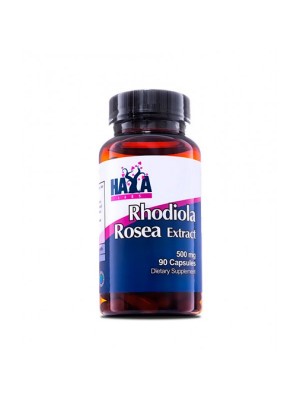
A nutritional supplement containing extract of the Golden ro..
36.00€
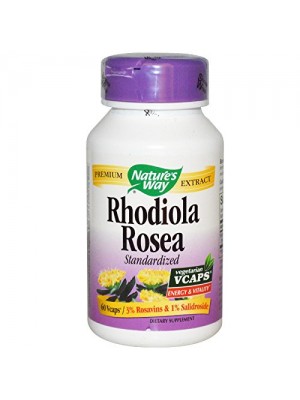
The product contains standardized extract of the herb gold r..
59.00€
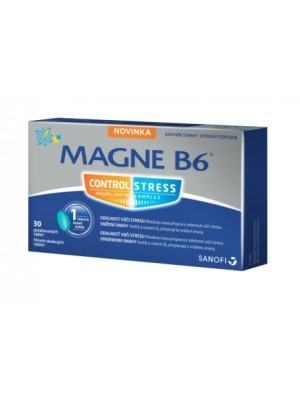
A powerful combination of golden root extract, vitamin B9, v..
36.00€
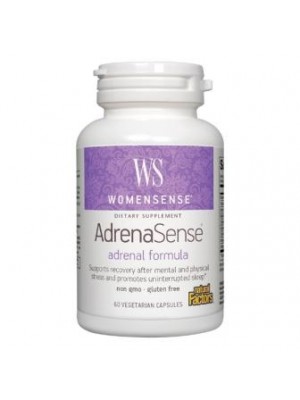
The AdrenaSense formula supports adrenal gland function; hel..
49.00€