Your shopping cart is empty!
Welcome visitor you can login or create an account.
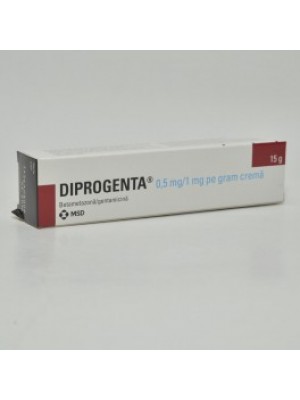
Betafuzin cream 15g.

Product viewed: 2801


What Betafuzin is and what it is used for
Betafuzine contains two different drugs, fusidic acid (a type of antibiotic) and betamethasone valerate (a type of corticosteroid). These two drugs act simultaneously in a different way:
the antibiotic kills the bacteria causing the infections;
corticosteroid reduces swelling, redness and itching of the skin.
Betafuzin is used to treat eczema or dermatitis (inflammation of the skin) as well as bacterial skin infections.
2. What you need to know before using Betafuzine
Do not use Betafuzine:
if you are allergic to fusidic acid (sodium fusidate), betamethasone valerate or any of the other ingredients of this medicine (listed in section 6);
for the treatment of infected dermatitis in children under 1 year of age;
to treat acne;
for the treatment of skin diseases caused by bacteria only, such as boils or spots;
for the treatment of skin diseases caused by a virus such as herpes or varicella;
for the treatment of skin diseases caused by fungi such as mycoses;
if you have perioral dermatitis (inflammation of the skin around the mouth);
if you have rosacea (chronic inflammation of the skin, most often on the face).
Warnings and precautions
Talk to your doctor, pharmacist or nurse before using Betafuzine.
Take special care if you are going to use this medicine near your eyes or the eyes of a child. If the cream gets into the eye, it can cause glaucoma.
If you use the cream for a long time or in large quantities, it may increase the risk of getting side effects. Your skin may also become more sensitive to this medicine.
You should not use this medicine for a long time on your face.
Unless recommended by your doctor, Betafuzin should not be used on exposed wounds or sensitive areas of the body such as nose, ears, lips or genitals.
Unless recommended by your doctor, you should not use Betafuzine on thin skin, skin ulcers, cracked veins or acne.
Other medicines and Betafuzine
Tell your doctor or pharmacist if you are taking, have recently taken or might take any other medicines.
Pregnancy, breastfeeding and fertility
If you are pregnant or are breast-feeding, think you may be pregnant or plan to become pregnant, ask your doctor or pharmacist for advice before taking this medicine.
Driving and using machines
Betafuzin has no or negligible influence on your ability to drive or use machines. Ask your doctor if you get any side effects that may interfere with your ability to drive or use machines.
Betafuzine contains cetostearyl alcohol and chlorocresol
Cetostearyl alcohol may cause local skin reactions (eg contact dermatitis) and chlorocresol may cause allergic reactions.
3. How to use Betafuzine
Always use this medicine exactly as your doctor or pharmacist has told you. If you are not sure, ask your doctor or pharmacist.
Betafuzine is applied to the skin only. It should not be swallowed or placed in the body. Remove the cap and make sure the foil is not torn before using the cream for the first time. Drill the foil with the back of the cap.
Always wash your hands before using Betafuzine. Apply a thin layer of the medicine on the skin. If you put it on your face, carefully avoid the eyes.
Always wash your hands after use unless you use the medicine on the skin of the hands.
If the medicine gets into your eyes, immediately wash them with cold water. If possible, flush with eye wash solution. You may feel burning. Contact your doctor immediately if you experience any visual problems or your eyes are sore.
How much Betafuzine to use
Your doctor will tell you how much Betafuzin you will be using.
The usual treatment duration is up to two weeks. Ask your doctor before using this medicine for a longer time.
You should notice skin improvement only after a few days of use of Betafuzin. If you do not improve after 7 days, stop using the cream and visit your doctor again.
Betafuzin is commonly used twice a day (morning and evening). Use the cream during another routine action (eg toothbrushing). This will help you remember to use it.
If you are told to cover the skin with a garment or dressing, you may not need to use the medicine so often. The baby diaper can play the role of a garment. Follow the advice of your doctor.
Adults and children
Your doctor will tell you what is the right dose for you or a child. If your doctor has not told you how much cream to use, follow the instructions below. Use your pointer to measure the amount of cream you use. Squeeze the cream from the top of the finger to the first joint. This is a single dose.
The number of doses,
Adults and children
Your doctor will tell you what is the right dose for you or a child. If your doctor has not told you how much cream to use, follow the instructions below. Use your pointer to measure the amount of cream you use. Squeeze the cream from the top of the finger to the first joint. This is a single dose.
The number of doses required for different body parts is described in the table below. Do not worry if you have to use a little more or less than this. Doses for children are also measured on the finger of an adult.
For adults
Body area Body area
Face and neck 2 ½
Rear torso 7
Front torso 7
Hand (without palm) 3
Palm (on both sides) 1
Leg (without the foot) 6
Step 2
For children from 1 to 11 years -
Number of doses required
Body area Children from 1 to 2 years Children from 3 to 5 years Children from 6 to 10 years old
Face and neck 1½ 1½ 2
One hand palm 1½ 2 2½
One foot with a foot 2 3 4½
Front torso 2 3 3½
Rear torso (including the seat) 3 3½ 5
If you forget to use Betafuzine
If you forget to use the medicine, use it as soon as you remember, then use it at the usual time.
If you stop using Betafuzine
If you have any further questions on the use of this medicine, ask your doctor, pharmacist or nurse.
4. Possible side effects
Like all medicines, this medicine can cause side effects, although not everyone gets them.
Immediately seek medical advice if you experience any of the following symptoms indicative of an allergic reaction:
difficulty in breathing;
swelling of the face and / or throat;
severe rash on the skin.
Other side effects include:
Each of the reactions described below is more likely if the drug is used for a long time, in large quantities or on skin folds (eg armpits or under the breasts).
These reactions are more likely in babies and children, and if the skin is covered with a garment, dressing or diapers.
Skin and subcutaneous tissue disorders:
Uncommon side effects (affects 1 to 10 users in 1,000):
skin irritation;
burning sensation of the skin;
itching;
eczema (worsening of the disease);
stinging;
redness (erythema).
Rare side effects (affects 1 to 10 users in 10,000):
urticaria (hives);
dry skin.
Not known (can not be estimated from the available data):
itchy rash and irritation at the application site;
rash;
small veins near the surface of the skin become visible.
Some side effects may be caused by betamethasone valerate (a steroid).
Tell your doctor if you experience any of the following side effects:
thinning of the skin;
stretch marks;
inflammation or swelling of the hair follicles;
change in body hair;
red spots around the mouth or chin;
skin lightening;
glaucoma;
impaired function of the adrenal glands, which can lead to fatigue, depression and anxiety.
How to Store Betafuzine
Keep out of the reach and sight of children.
Do not use this medicine after the expiry date which is stated on the carton and the aluminum can. The expiry date refers to the last day of that month.
Store below 30 ° C.
Store in the original package in order to protect from light and moisture.
Betafuzin should not be used more than 6 months after the first opening of the tube.
Do not dispose of medicines in the sewage system or in the household waste container. Ask your pharmacist how to dispose of medicines you no longer use. These measures will help to protect the environment.
6. Package Contents and Additional Information
What Betafuzin contains
The active substances are: fusidic acid and betamethasone valerate.
One gram of cream contains 20 mg of fusidic acid and 1 mg of betamethasone (as betamethasone valerate).
The other ingredients are: macrogol cetostearyl ether; cetostearyl alcohol; chlorocresol; liquid paraffin; sodium dihydrogen phosphate dihydrate; white paraffin, soft; alpha-tocopherol (all racemic); purified water and sodium hydroxide.
What Betafuzin looks like and contents of the pack
Betafuzin is a white to off-white cream in an aluminum tube with a white polyethylene screw cap.
Packaging sizes: Tube of 5 g, 15 g, 30 g and 60 g.
Not all pack sizes may be marketed.
Write a review
Your Name:Your Review: Note: HTML is not translated!
Rating: Bad Good
Enter the code in the box below:
Related Products